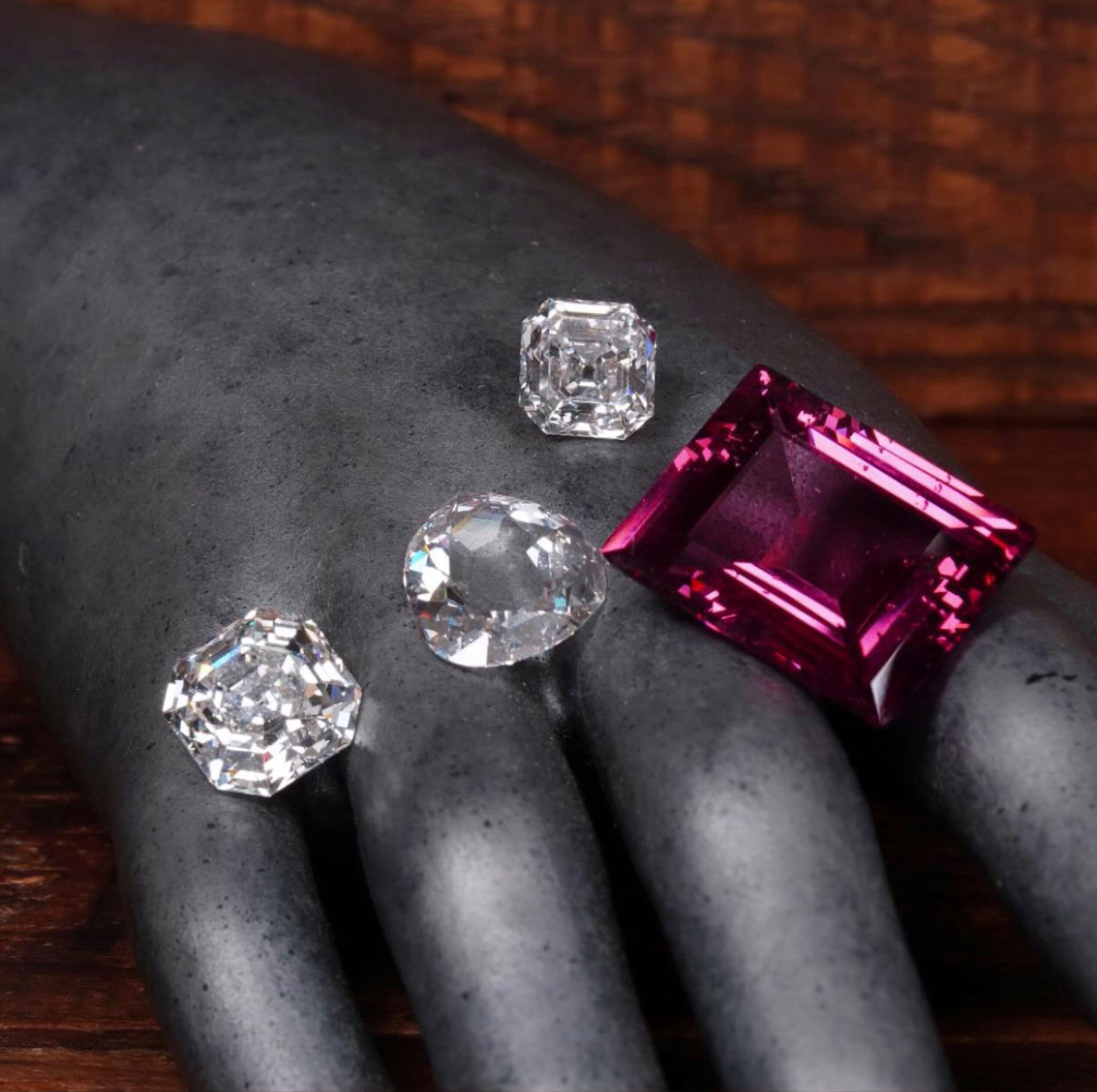
Spinel, long revered yet often mistaken for ruby, and once dubbed the “impostor stone,” boasts a rich history dating back to Buddhist tombs of the first century B.C. For hundreds of years, these stones were known as Balas rubies and were highly treasured by kings and emperors, with two of the most notable examples existing in the British Crown Jewels: the “Black Prince’s Ruby” and the “Timur Ruby.” Despite their names, both historic stones are in fact red spinels weighing approximately 170 carats and over 350 carats, respectively.
Today, as collectors increasingly seek rarer gemstones with distinctive hues, spinel has become one of the most exciting stones in the market. After a period of relative dormancy, its modern renaissance can be traced back to 2007, when a 115-pound spinel was discovered in Mahenge, Tanzania, revealing the intense, neon-pink hue that would become synonymous with the region. Although much of the crystal was heavily included, it yielded enough fine material to thrust spinel into the spotlight and cement its status as one of the most striking and coveted gemstones in the world.
While demand surged quickly, momentum took time to build, and it wasn’t until the past three to five years that the industry saw a strong gain. “Now it’s accelerated very much. People are looking for things that are different. Being different in this sea of gray and this sea of blankness is very important,” says Anup Jogani, a Los Angeles-based gemstone dealer.
Many in the industry point to the 2015 sale of the Hope Spinel at Bonhams London as a turning point in its broader acceptance. The 50.13-carat octagonal step-cut spinel sold for a record-breaking $1.5 million, signaling a new level of recognition for the gemstone.
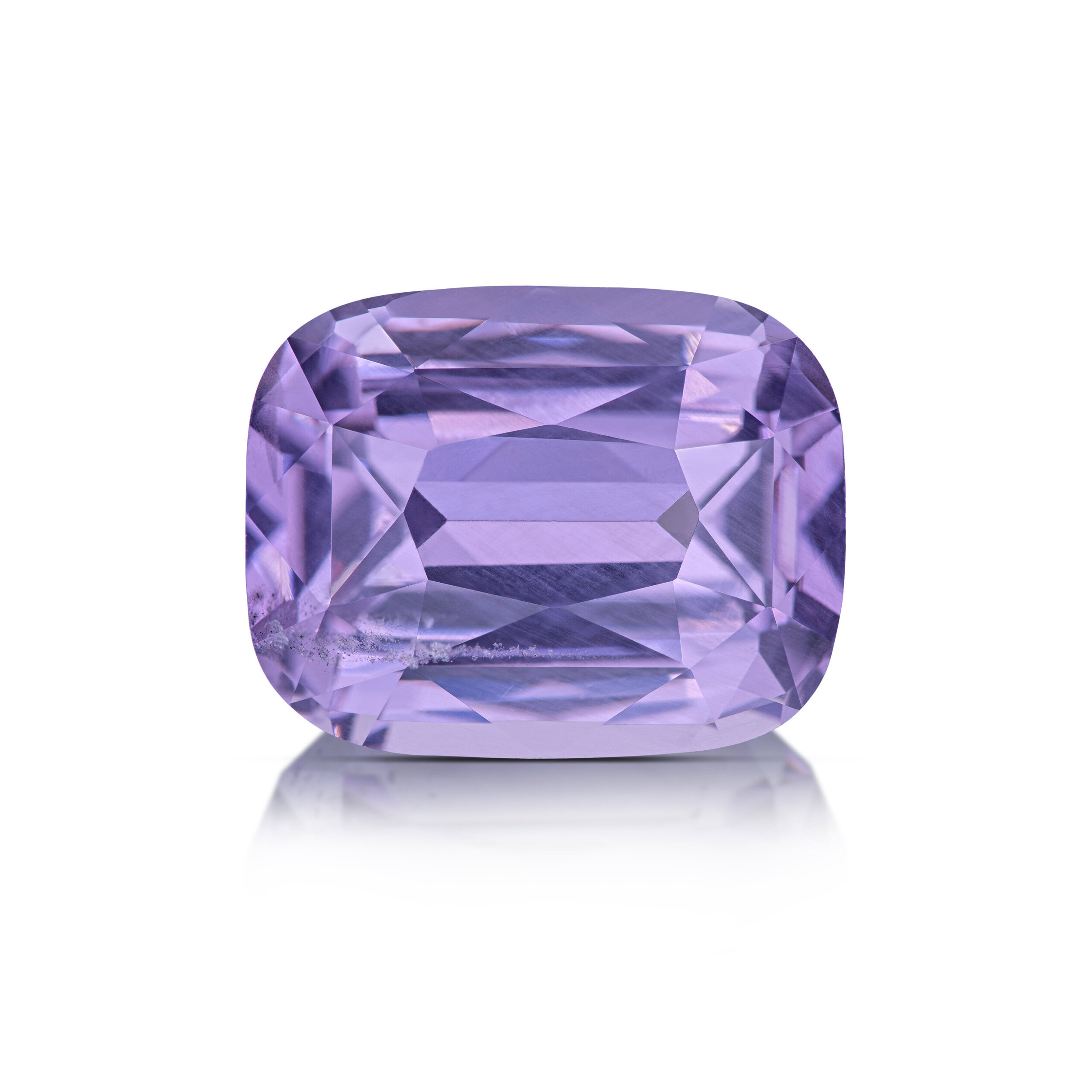
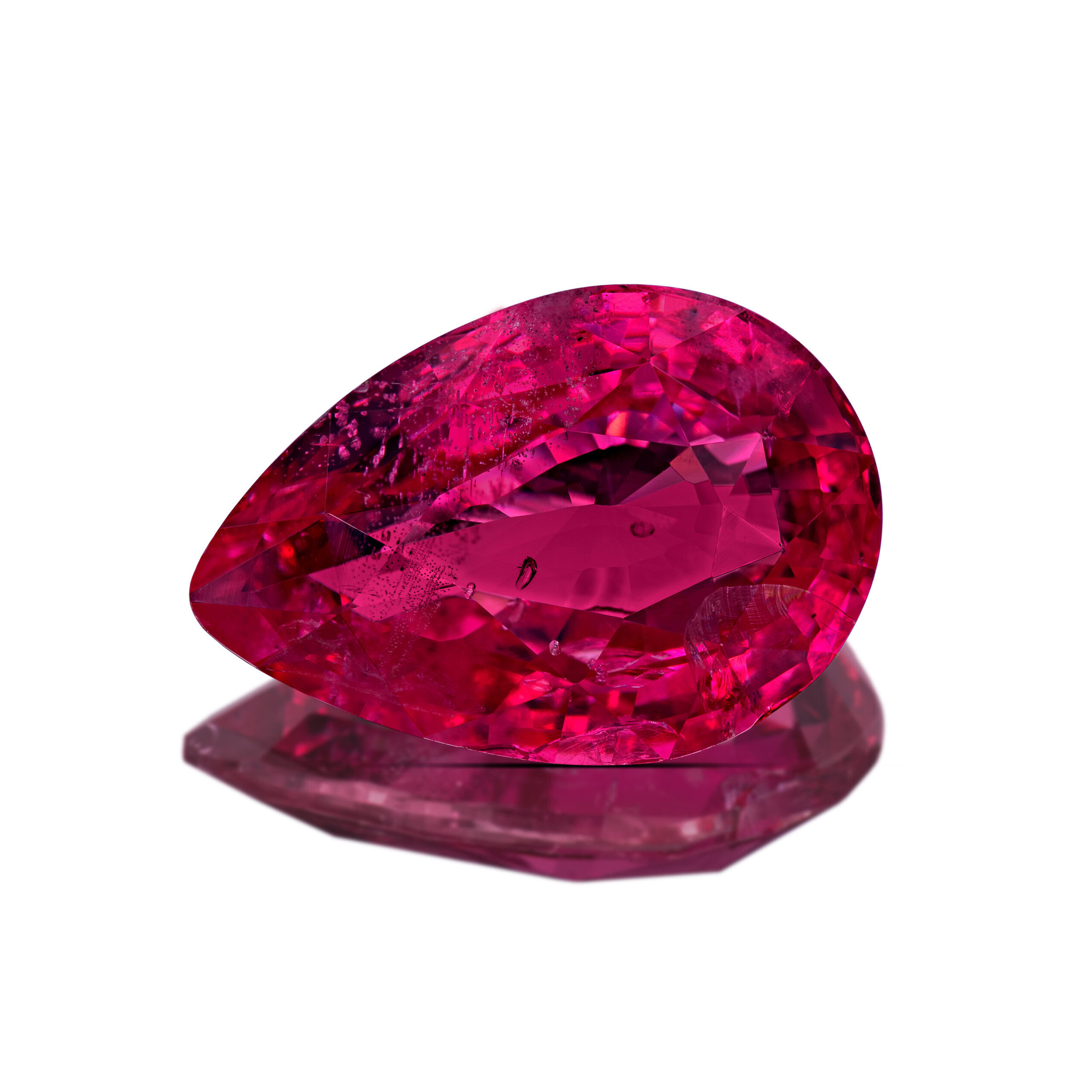
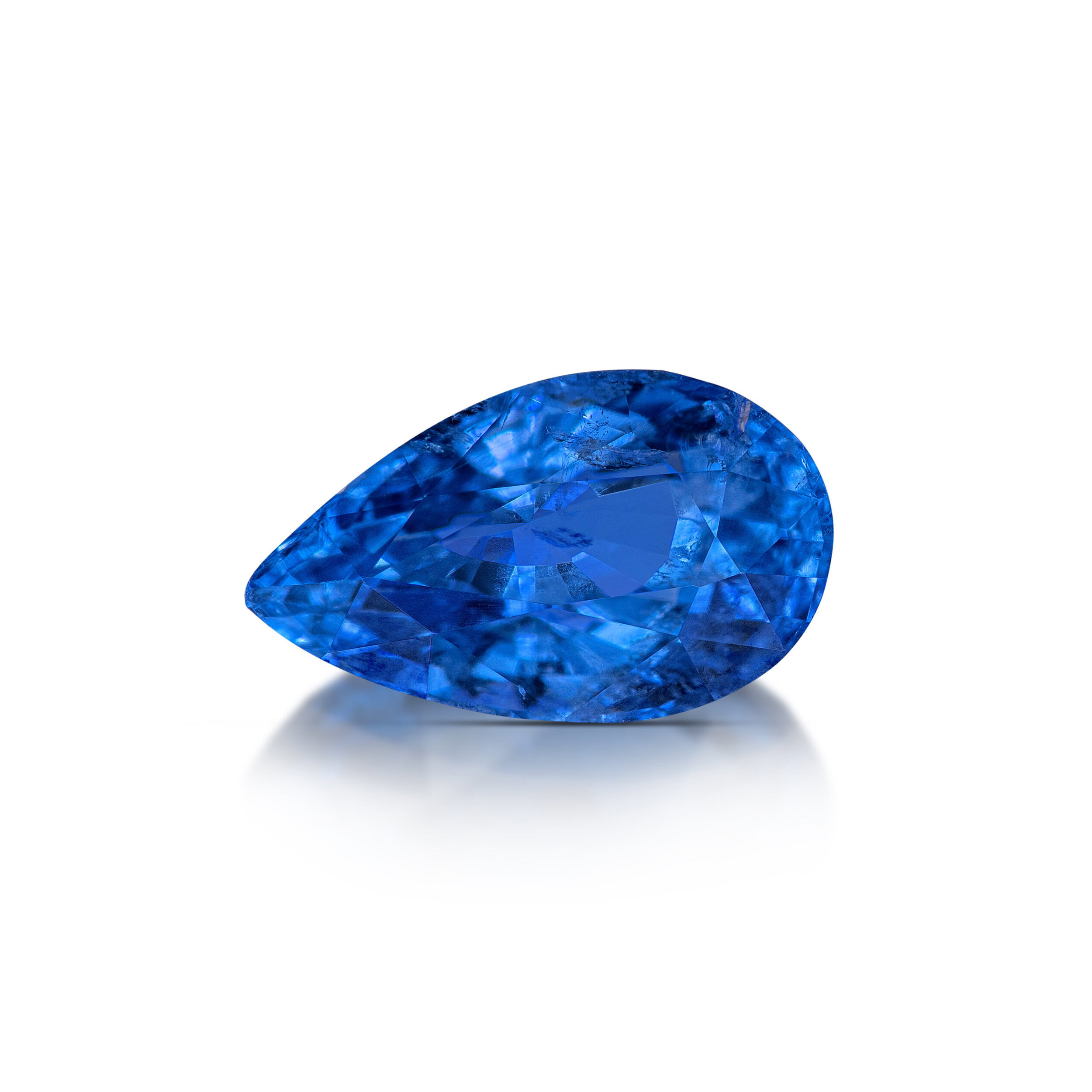
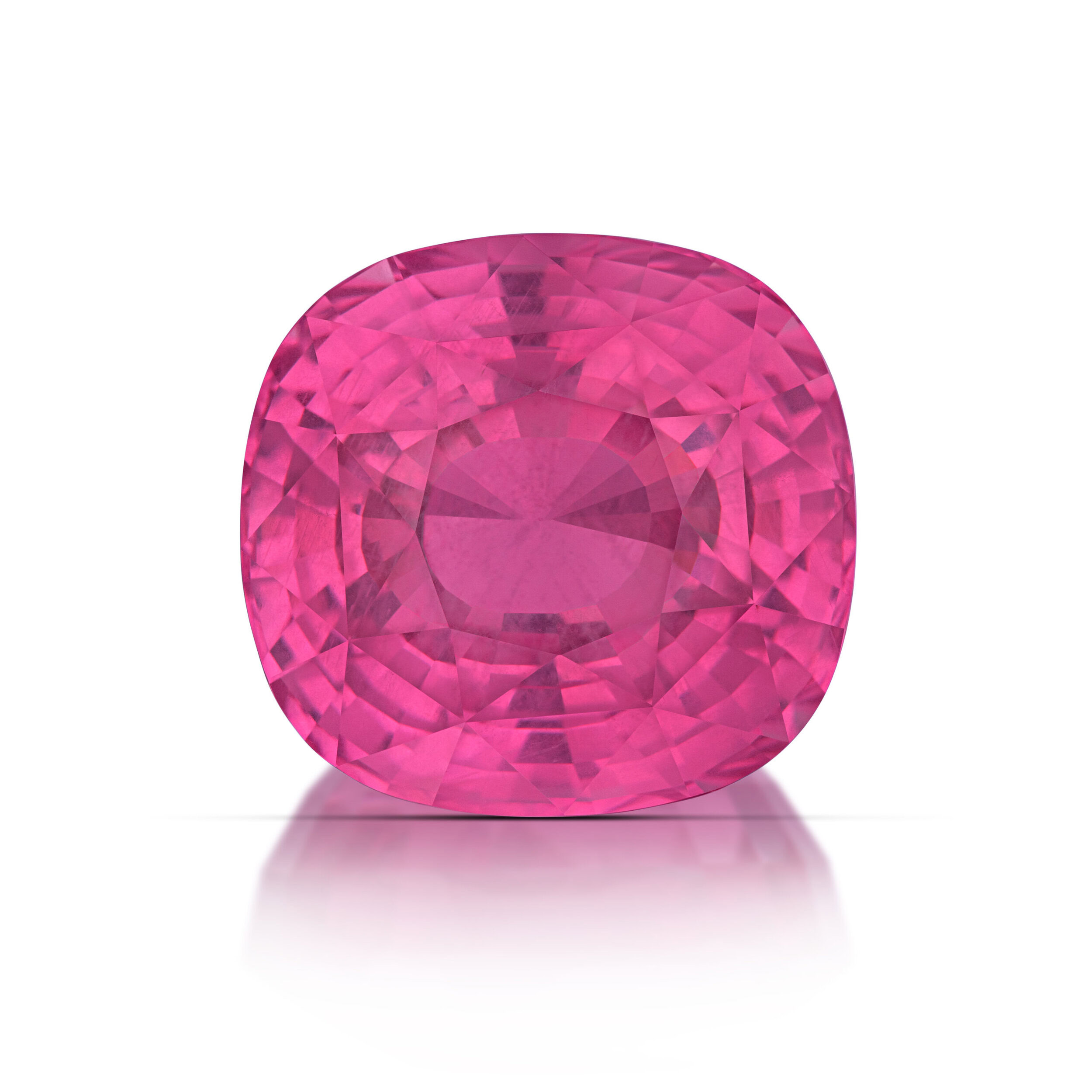
Colored stones have also gained significant traction, in turn propelling the rise of spinel, prized not only for its vivid neon color but also its durability and relative lack of treatment. “Spinels are very durable stones, very rare and they are beautiful, so as people want more unique stones they have gravitated towards spinel,” says David Nassi, a manager at Mya Nassi, a gem supplier in New York.
Long featured in high jewelry by houses such as Cartier, Tiffany & Co., and Harry Winston, spinel is only now coming into broader focus. It’s no longer just connoisseurs driving demand; first-time buyers and even designers new to the stone are increasingly seeking it out, with interest spanning markets from New York and Rio de Janeiro to Paris and Shanghai, where the Chinese market in particular has played an important role.
That growing interest has been further fueled by increased visibility and education, particularly through social media, where dealers and designers are introducing spinel to a wider audience. “There has been more education around it. I know I try to share a lot about them on my Instagram. When you’re educating people, they get excited about that new material, and they want to invest in it,” says Vanessa Fernandez, a fine jewelry designer and bench jeweler.
Sourcing top-quality spinel today has become progressively difficult, particularly at the high end, where supply has begun to dwindle. Fine material from Tanzania’s Mahenge deposit remains especially prized**,** and color continues to drive demand, from the vivid neon reds and pinks associated with Mahenge to the electric cobalt blues of Vietnam and even emerging lavender hues. The difference between an exceptional spinel and an average one comes down to the intensity and purity of its color, alongside clarity, but ultimately, how it is cut is critical.
One of the attributes that makes spinel so special is that like a diamond, it’s a singly refractive gemstone, resulting in a pure, uninterrupted color with a distinctive inner glow. Its largely untreated nature further enhances its appeal, particularly in contrast to rubies and sapphires, where treatment is common. While some buyers may be priced out of ruby, many are seeking spinel on its own merits, drawn to its rarity, durability, and vivid color that is simply not replicated elsewhere.
“A client who wants a ruby will be very specific about getting that material. I currently have a client who is looking for a super red spinel and she’s not asking me for a ruby. She’s looking for that intense Jedi color. Could she ask me for a ruby? She could, but she knows it’s going to look different,” says Fernandez.
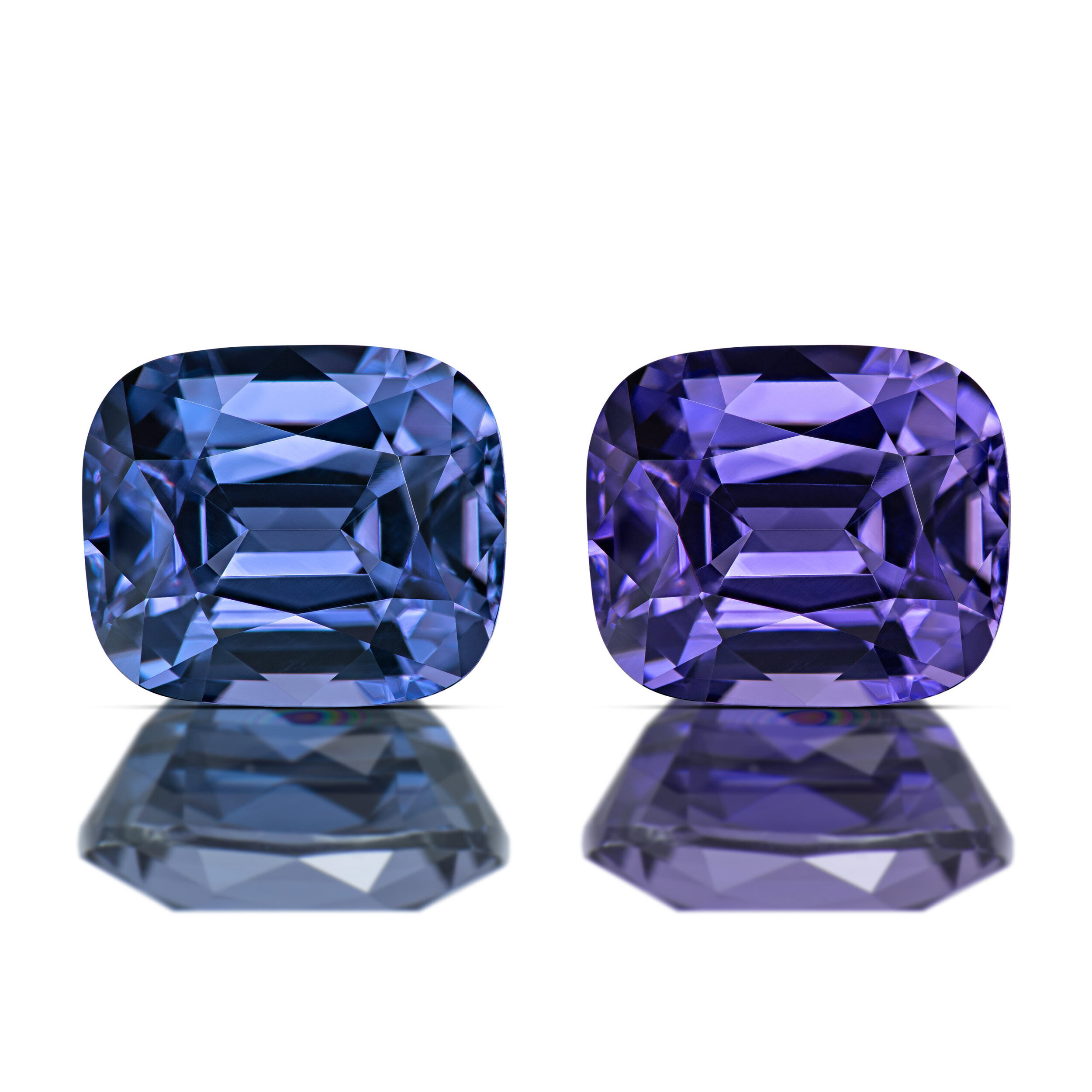
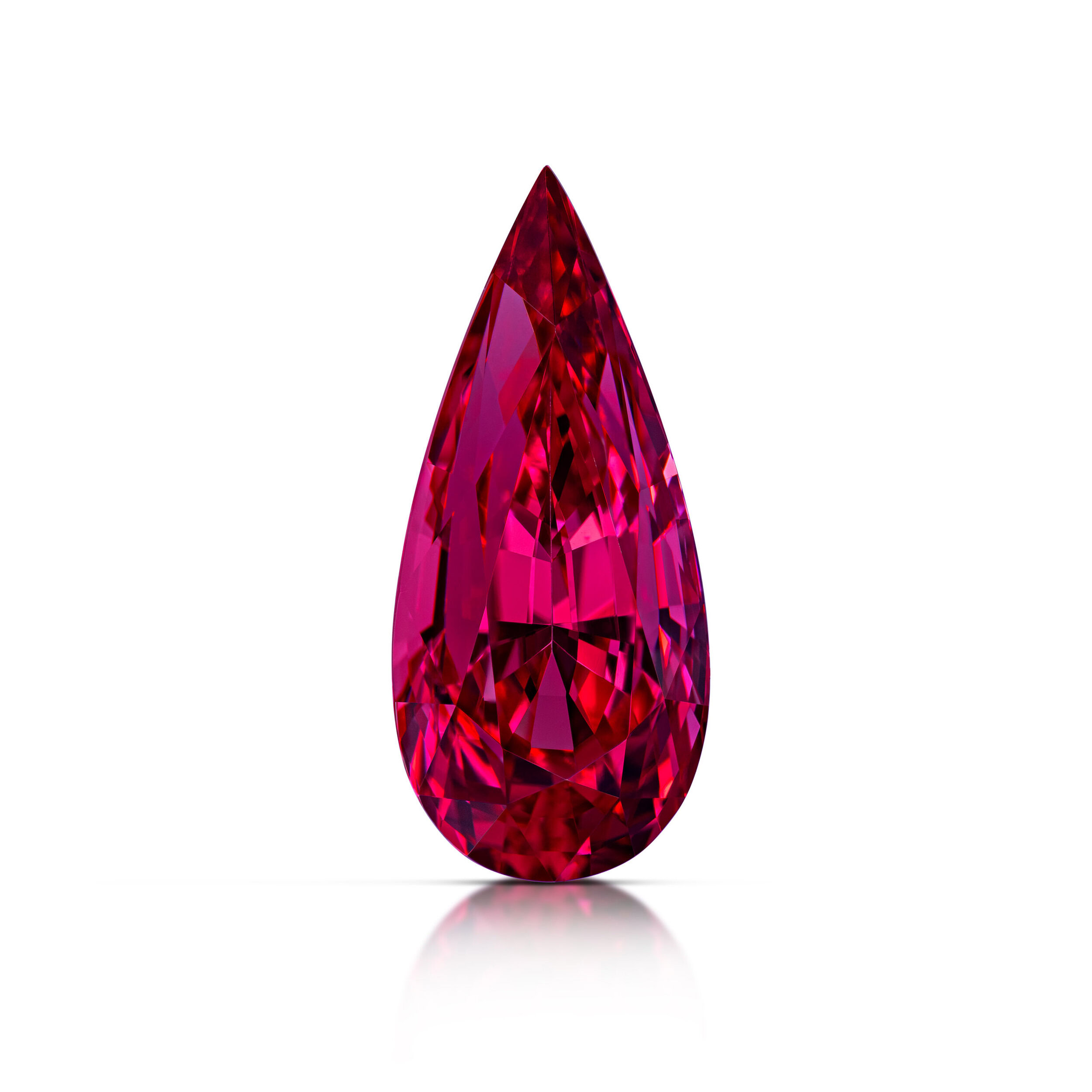
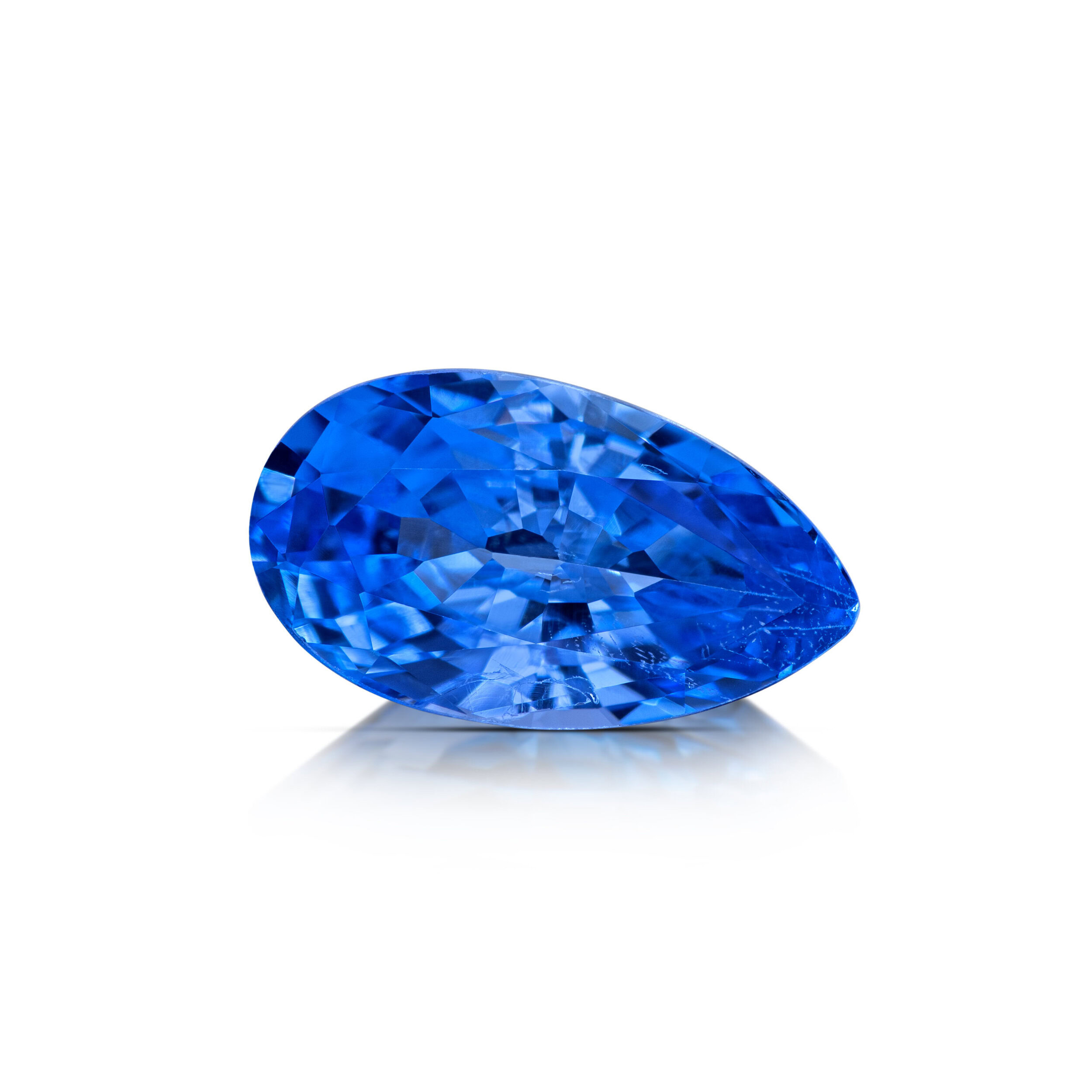
For some, spinel may offer an alternative at a lower entry point, but it has become its own category, with prices at the top end rising sharply. Dave Bindra, vice president and head of acquisitions at B&B Fine Gems in Los Angeles, who acquired one of the first polished Mahenge parcels, notes that “cobalt blues have stabilized, and lavenders continue to climb. While the top-echelon neon reds and pinks doubled in the last 12 months, jumping more than in any other period since 2008.”
With supply tightening and demand broadening globally, many see continued room for growth over the long term, positioning spinel not as a substitute, but as a gemstone whose identity and value are being defined on its own terms. “This is another reason why I would push to buy spinel,” says Bindra. “You’re getting in at a level where they’re probably going to appreciate to that of unheated rubies. There is probably going to be a day where there are spinels that sell for millions of dollars per carat, within a 10-to-20-year horizon.”