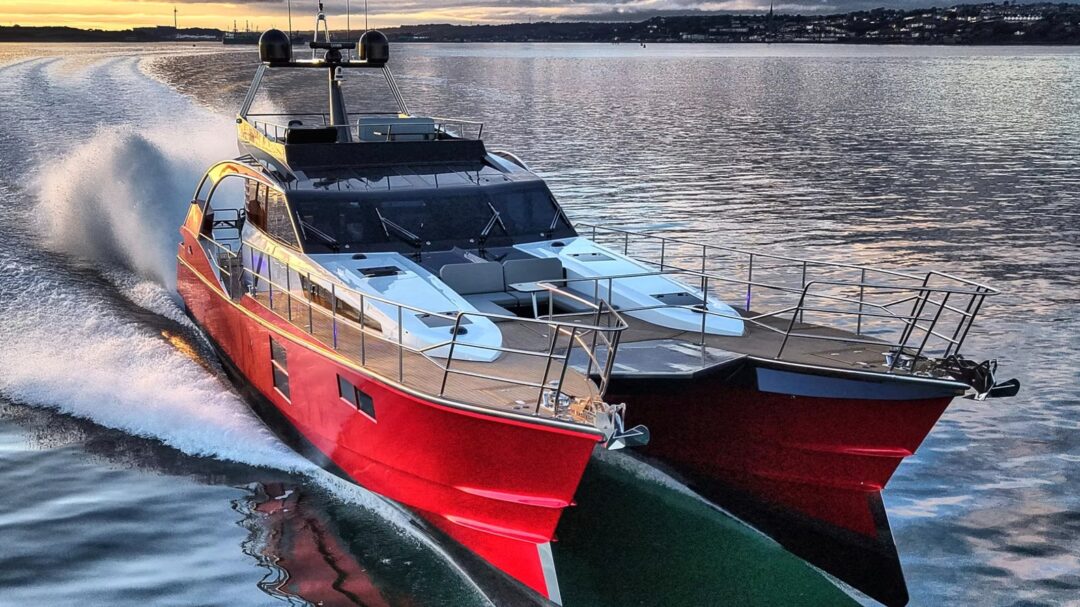
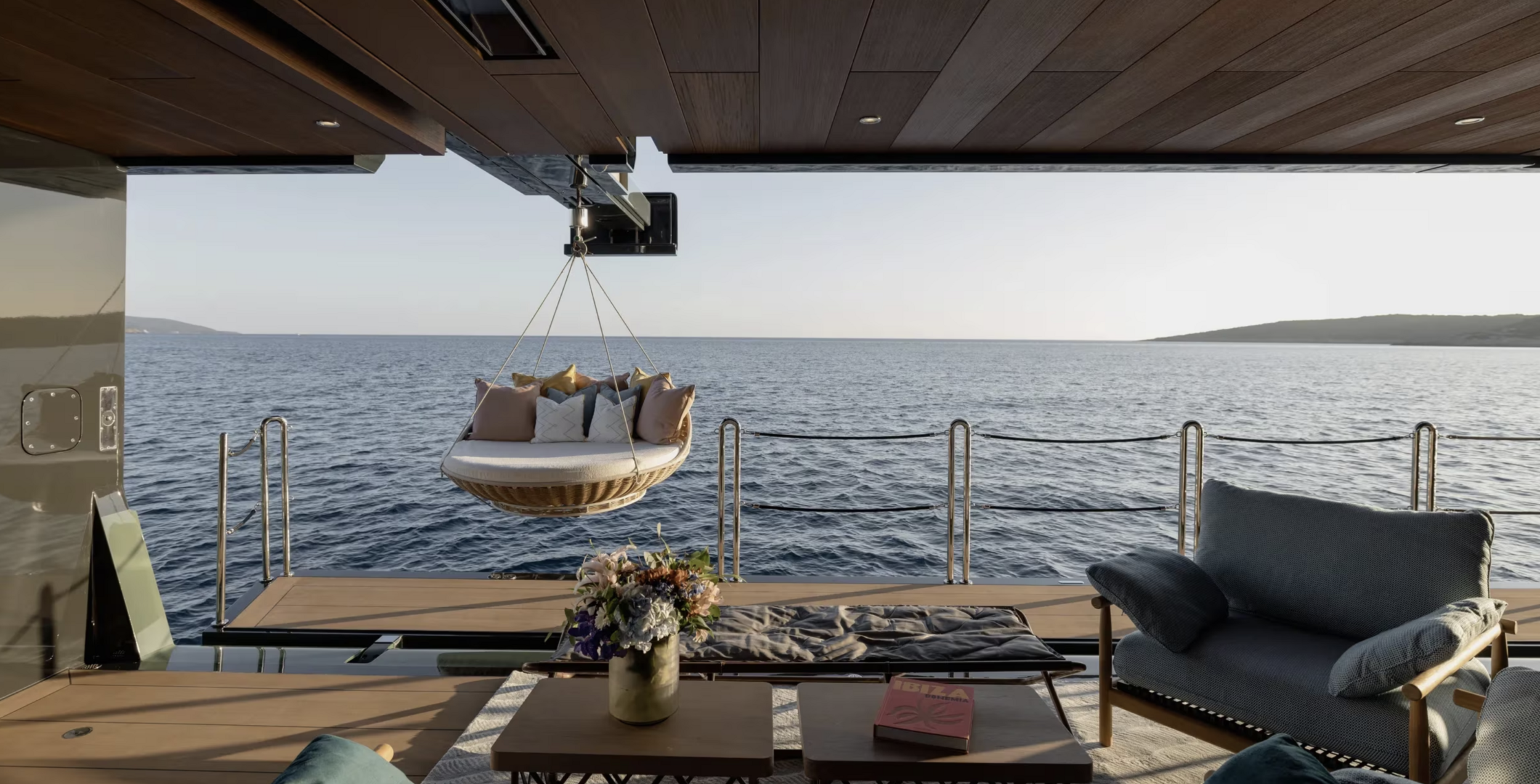
“Not every client understands the explorer yacht concept,” said Gabriele Stella, senior sales manager for Sanlorenzo Yachts. “When they’re buying a $30 million or $40 million vessel they expect all the features they can imagine; the pool, the garage, the club. The idea that a third of the beach club area,” or the leisure space at the stern, “would be given over to a seven-ton crane,” makes no sense to them. She added, “but then, explorer yachts are a matter of philosophy.”
Explorer yachts are a distinct class of super-yacht built not for glamour but for endurance: long-range vessels with ice-strengthened hulls, massive storage capacity, and the ability to stay at sea for weeks or months at a time without resupply. They are, in short, designed to go anywhere on earth. And increasingly, their buyers want to.
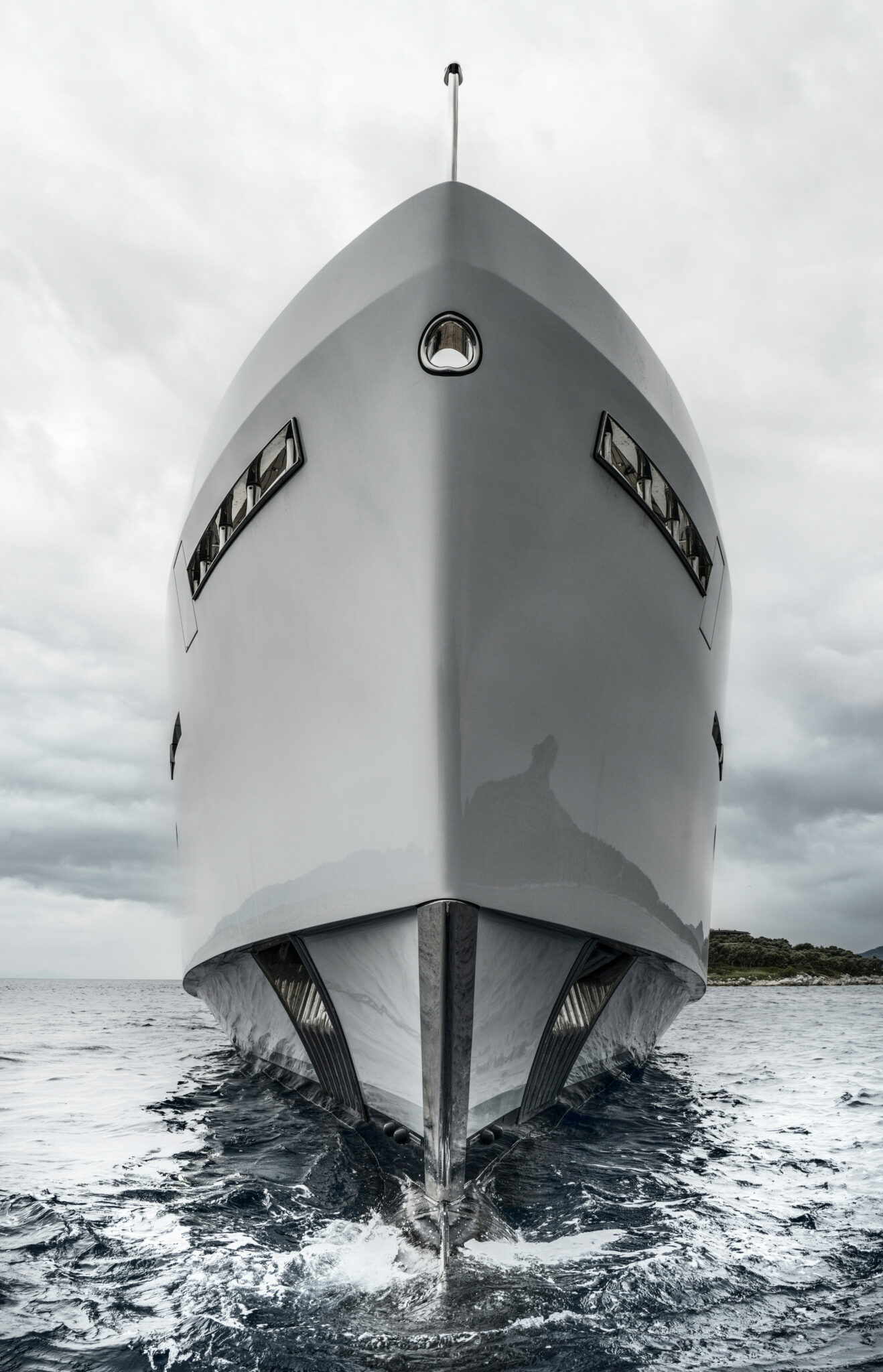
While these vessels remain a niche interest, even within the niche that is super-yachts, the last decade has seen a steady rise in interest in explorer yachts. Sanlorenzo now sells an explorer yacht every two years, an impressive rate for super-yachts. These are the kind of vessels purposely designed for their capabilities rather than their style, built with huge storage areas for everything from food to submersibles. They’re extra-long range, ice-strengthened with a highly maneuverable hull, a limited draft, maybe a heli-pad and, yes, a massive crane capable of lifting 30-foot tenders out of the water.
With that idea in mind Gianni Agnelli, the industrialist, style icon and Fiat heir, is said to have commissioned the first explorer-style yacht in the 1980s, the 32.8m-long F100, built by the Italian company CRN; arguably he was ahead of his time and the concept did not catch on.
The explorer yacht market is growing rapidly – according to the yacht brokerage Interparus the 5.3% annual growth rate in sales of superyachts from 2018 to date is “largely attributable to the population of exploration yachts”.
“Customers are realizing that maybe a yacht isn’t just for hosting parties off St. Tropez,” said Maria Roberta Morso, press officer at Italian shipbuilder Cantiere Delle Marche, adding, “but can provide a solution for long-term living at sea. And with the instability of geo-politics lately perhaps that’s an encouragement too.”
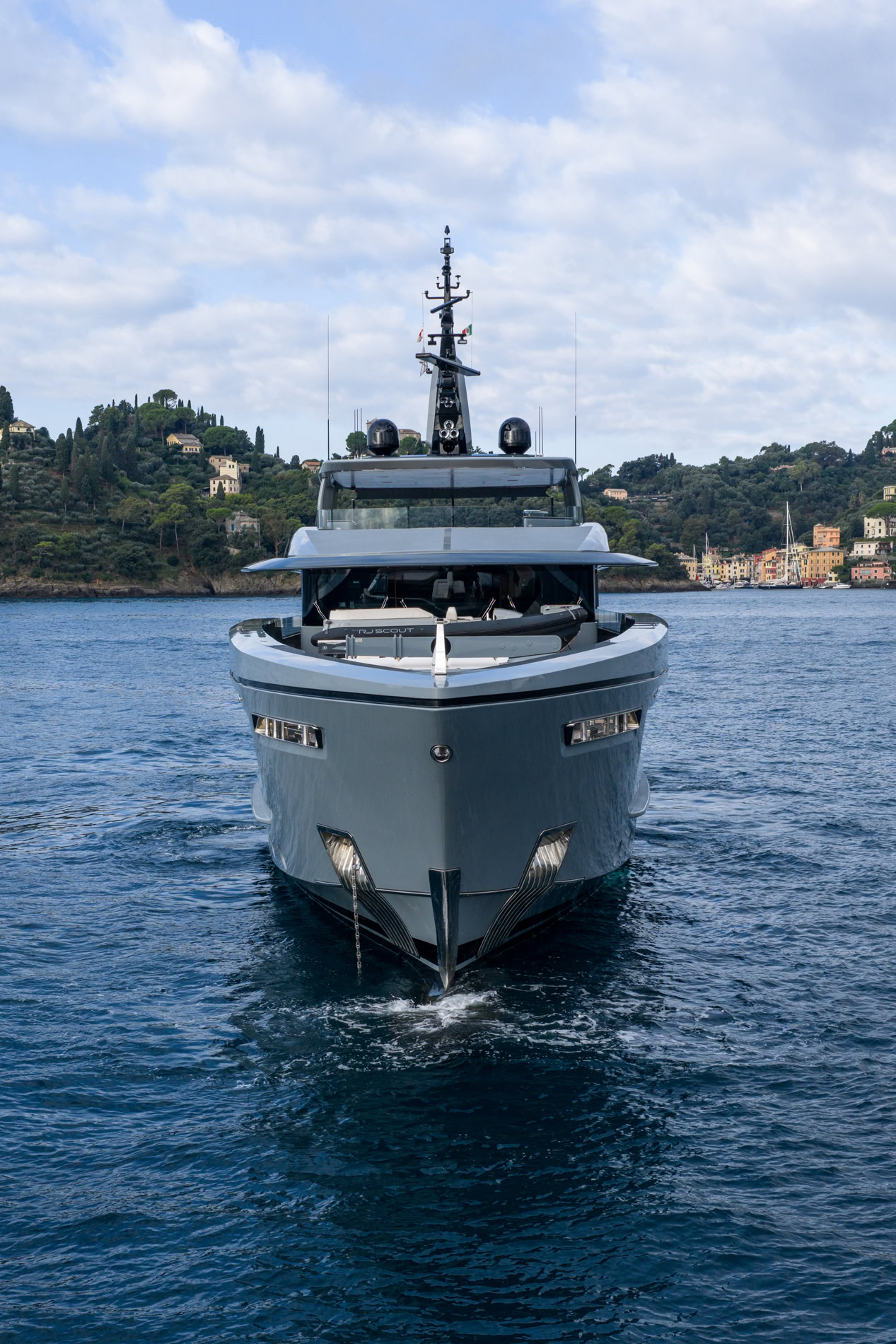
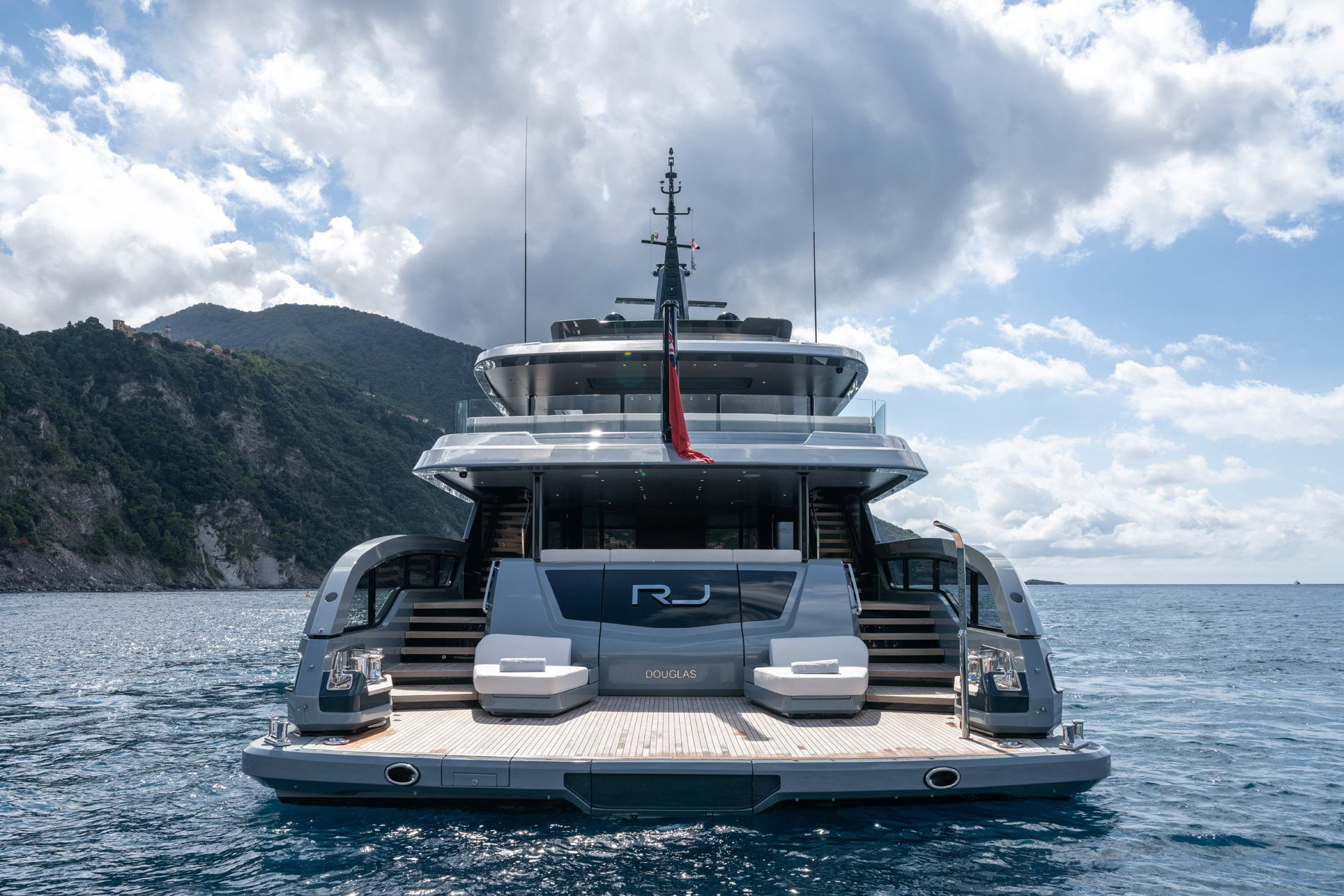
Although relatively new to the market, Cantiere Delle Marche specializes in explorer yacht-building. Established in 2010, the company was this year awarded two Boat International Design & Innovation Awards for its RJ and Tremenda explorer designs. In Q4 of 2025, the company delivered the third of its Flexplorer model yachts: with a 6,500 nautical mile range – that will get you from London to New York and back. Standard super-yacht ranges are typically between 2,000 and 5,000 nautical miles. Another explorer yacht is currently being outfitted, complete with a full-sized pickleball court.
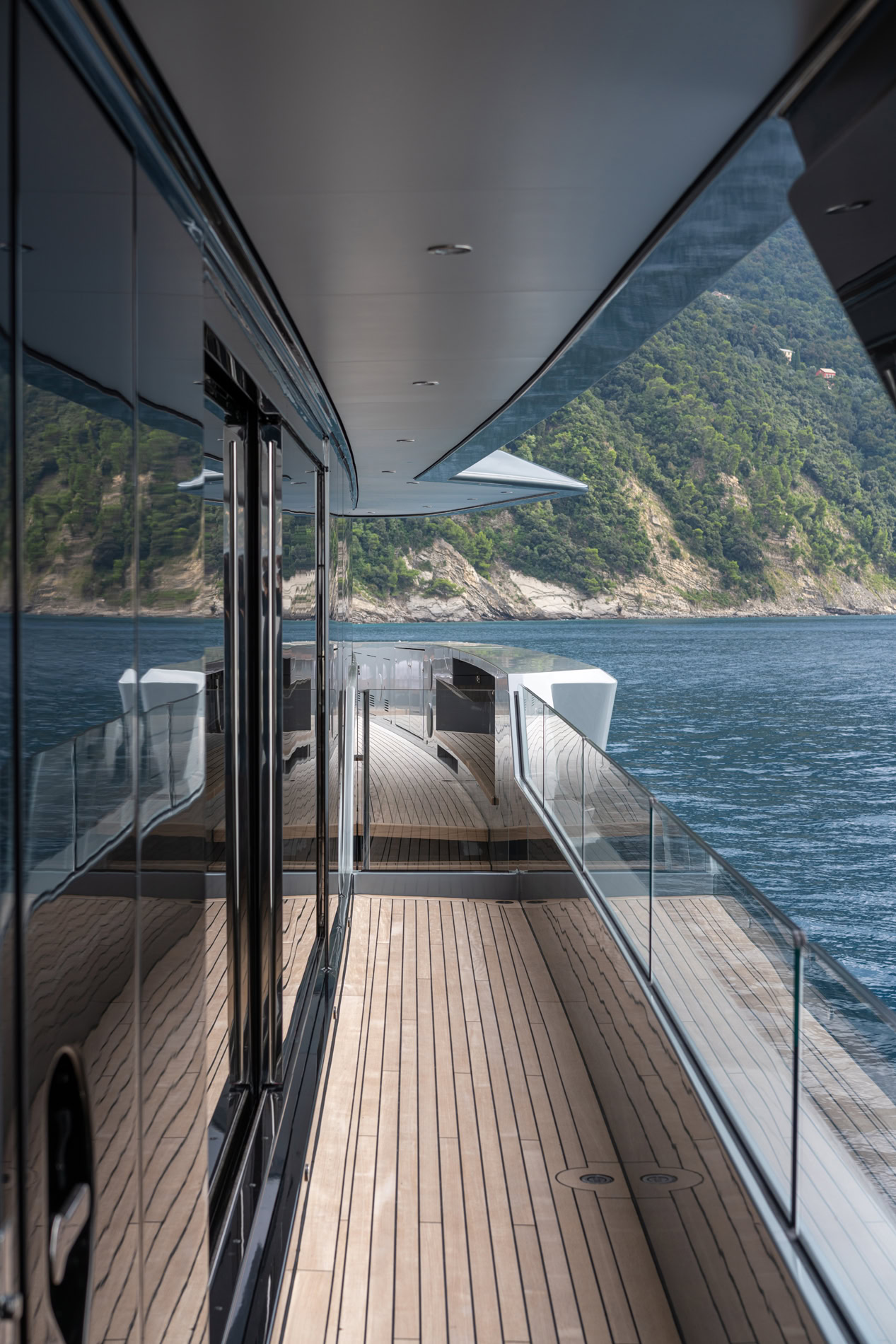
Amorso noted that explorer yachts are conservative relative to the cutting-edge of super-yacht construction and technology. While, for example, newer electrical propulsion might potentially afford even longer ranges, explorers tend to stick with the combustion kind.
The “key to any explorer is its reliability, because it’s going places where no expert assistance or specialist parts will be available,” she said. An accessible combustion engine, much like an internal combustion engine in an automobile, is easier to repair if necessary.
But, stylistically at least, the trend is toward a morphing of forms: the traditionally light, sleek, “white yacht” styling combined with the off-the-grid capabilities, a concept Cantiere Delle Marche has pioneered with its Tremenda model. “Externally there’s less of the rough, sturdy aspect that characterizes explorer yacht design,” she said. It’s the industry recognizing that some owners may not want to sail through the Arctic Ocean, but nonetheless like the idea of cruising the Mediterranean Sea for the summer without having to refuel. They still want to fit in with their peers, aesthetically speaking.
That’s the marine equivalent of new SUV design: off-road capabilities are hidden beneath a more polished, urban exterior. Similar to the SUV market in which some drivers feel a splash of mud adds authenticity to their ride, so some explorer yacht owners don’t mind the odd knock either.
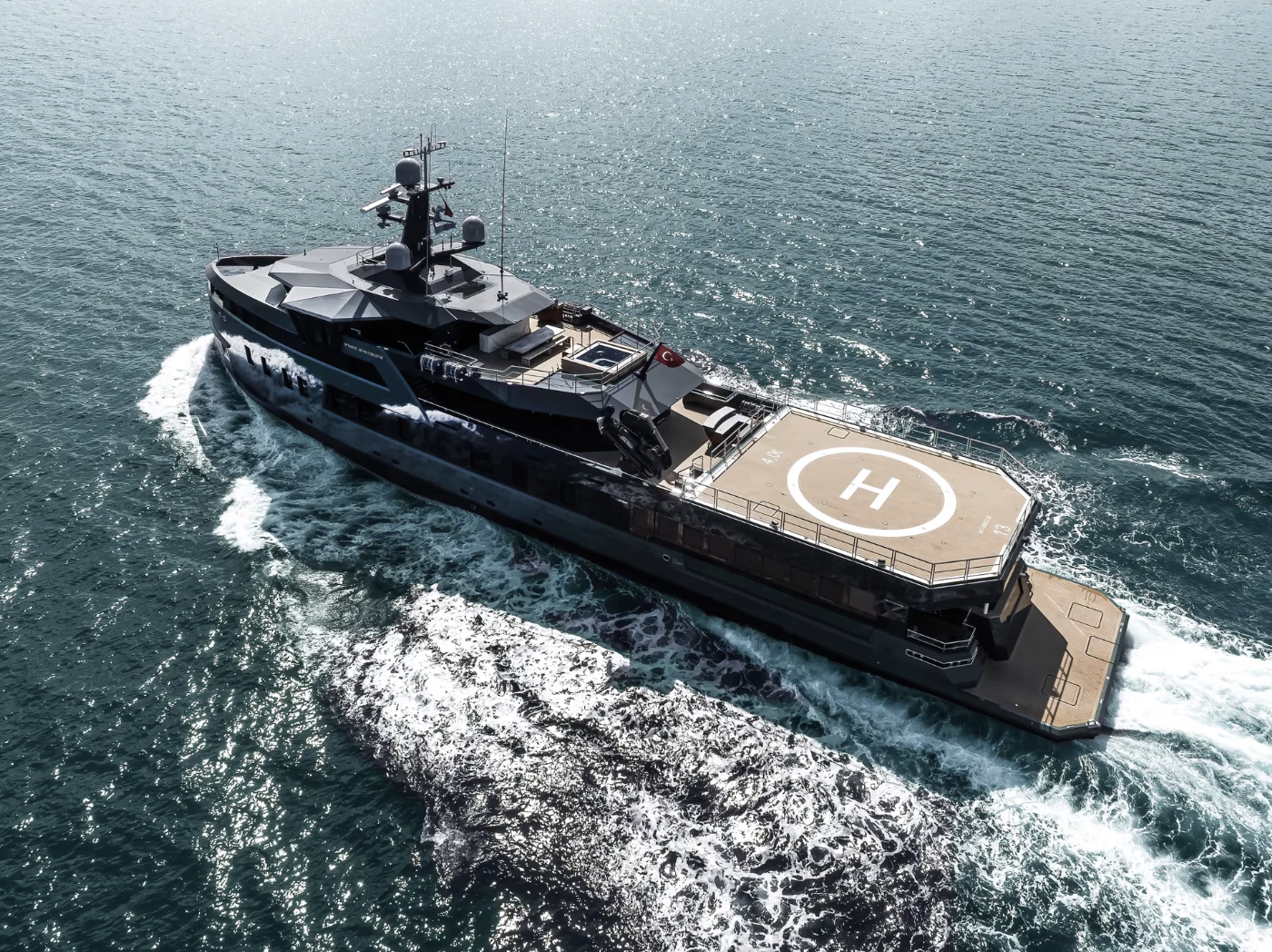
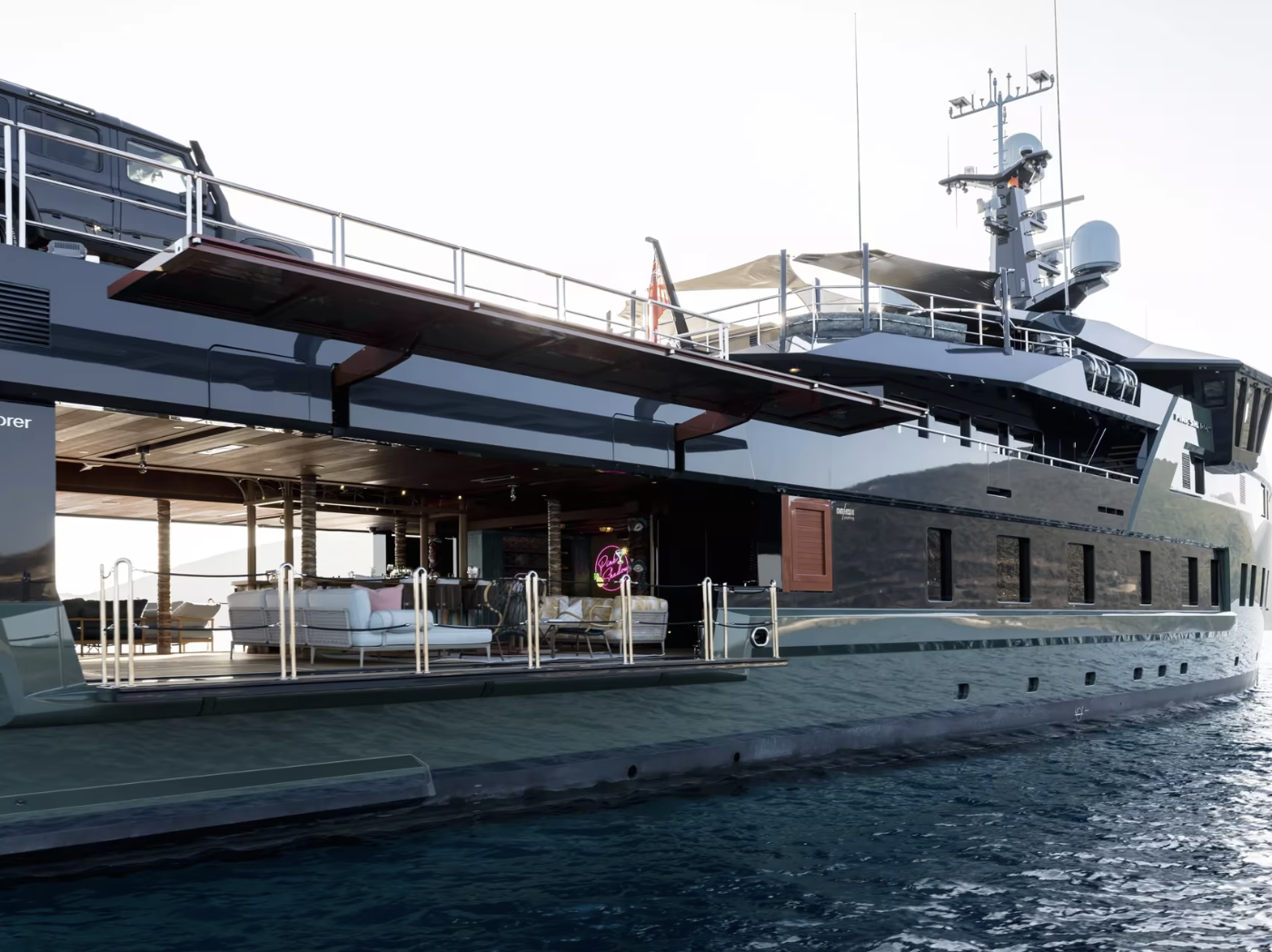
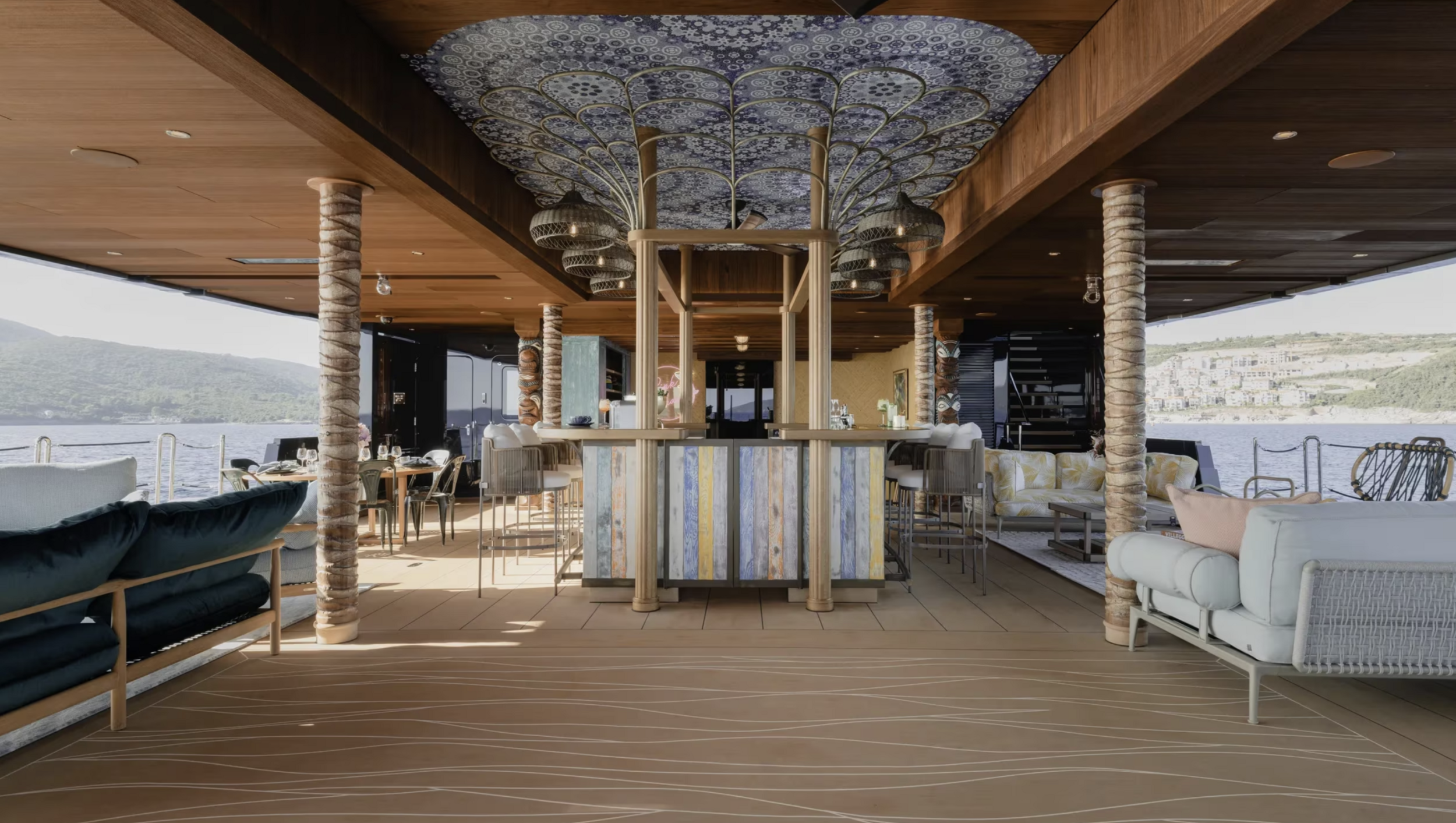
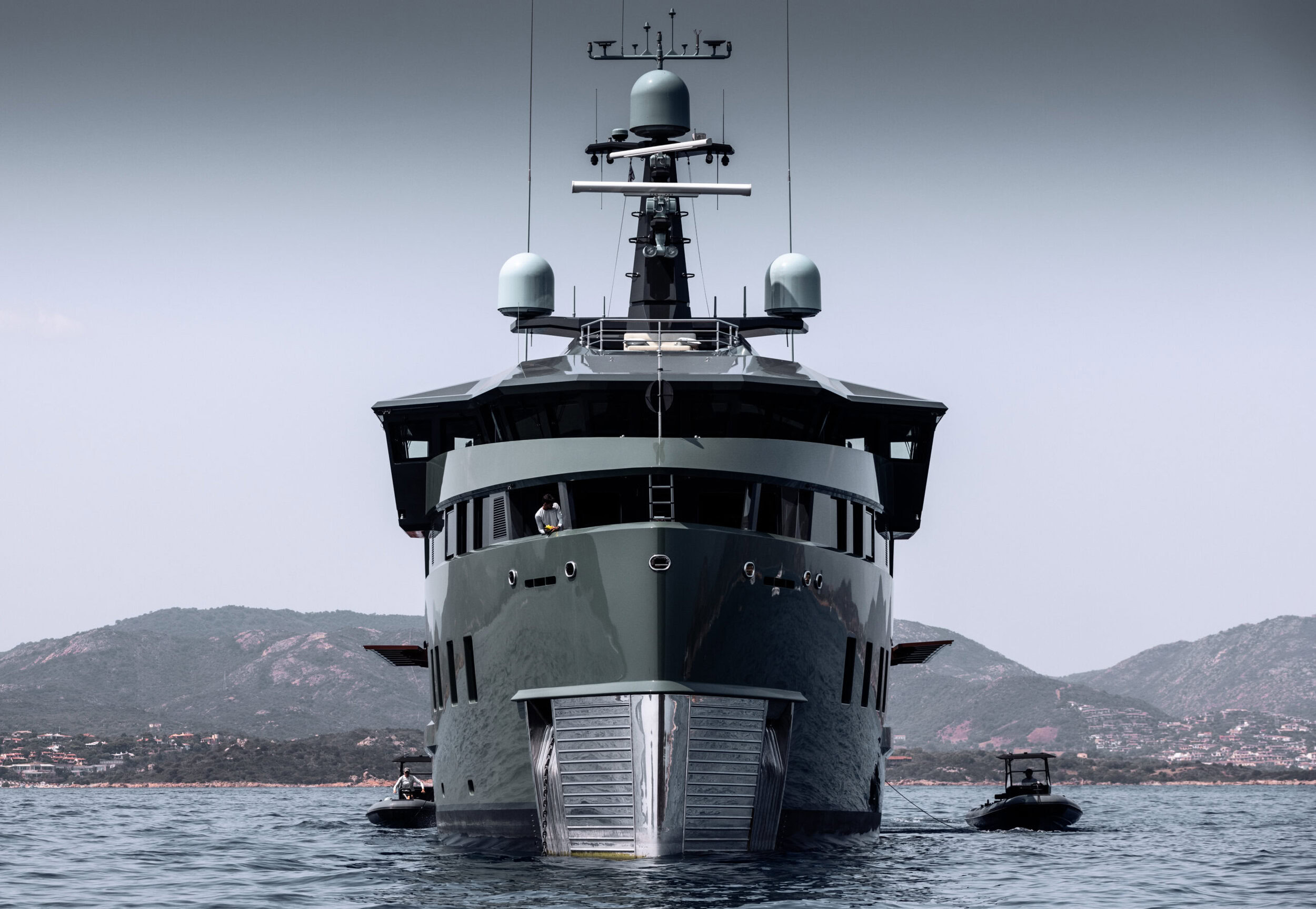
“If they’re sailing through ice they know their hull is going to get scratched up and that fixing it will be expensive, but they don’t care because it shows that they can take their boat anywhere,” said Enrique Tintore, SeaXplorer design manager for the Netherlands-based Damen Yachting. The company has been building expedition-capable vessels since 2015, when it launched its SeaXplorer line at the Monaco Yacht Show, combining the luxury pedigree of its Amels superyacht brand with the heavy-duty shipbuilding capabilities of the broader Damen Shipyards Group, which traces its roots to 1918. The flagship of the SeaXplorer range is the 105-meter Xplorer 105, a concept design accommodating 24 guests across 12 cabins, with a twin helideck, a submarine, a scuba dive deck, and a forward garage capable of storing a 13-meter chase boat along with four additional tenders. Its 8,000 nautical mile range is sufficient for a trans-Pacific crossing.
“People commissioning yachts are younger now, have come into their money faster and seem to have a different attitude. They want to be able to work anywhere, as, increasingly, they can, and are more action-driven. And that’s being reflected in their choice of vessel.”