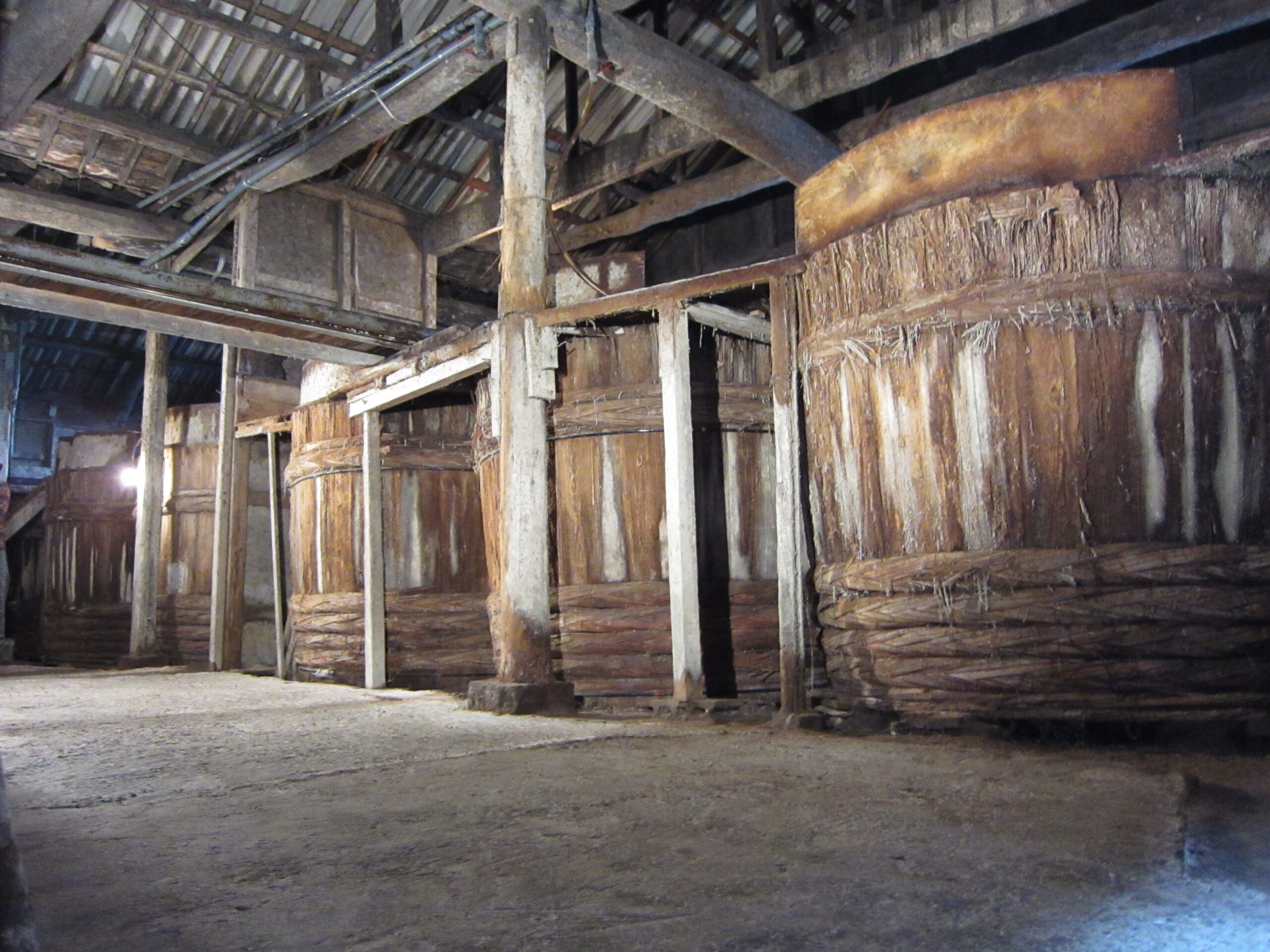
Yasuo Yamamoto rises early each morning as members of his family brewing business have done in Japan for five generations. His job, as he sees it, is simply to tend to the cedar wood barrels that have been used there for more than a century. “Those barrels are essential, as they’re home to the microbial ecosystem that creates a one-of-a-kind flavor and aroma,” he said. “All I might do is modify how it does that. But how, precisely, is a trade secret.”
Yamamoto is not making a wine, a whisky or even a sake; none of the products that we might equate with age-old artisanal methods, and for which some are ready to pay handsomely. At his family firm, Yamaroku Shoyu, he makes what is considered to be one of the best soy sauces in the world. He knows that, for many people, soy sauce is a cheap condiment, something akin to ketchup, perhaps. “Getting across that the making of really good soy sauce is a slow process, not an industrial one, is a significant challenge,” he admitted. “Even many Japanese people are unaware of this.”
Certainly Japanese makers have periodically taken other producers of “soy sauce” to task, pointing out that, for example, an American-made soy protein-based product labeled “soy sauce” is often only partially brewed, or not brewed at all, or packed with sugar. For the Japanese, the best soy sauce is worthy of connoisseurship and deserving of the kind of appellation contrôlée protection afforded Champagne or Cognac. There has been some movement toward making this happen: while not all Japanese soy sauces carry formal protection, certain high-end, regionally specific varieties, such as Shodoshima Island soy sauce, produced on the island of Shodoshima in the Seto Inland Sea, have gained recognition through regional branding and quality associations.
The making of soy sauce in Japan, after all, is deeply historic. The process may be superficially simple; soy sauce is made from fermented whole soybeans, along with water, salt and wheat, with fermentation taking at least several months. But it’s also one that’s been refined over nearly eight centuries, since around 1254, when a Zen priest called Kakushin is said to have returned from China with the method for making Kinzanji miso, the liquid byproduct of which became the first proto-soy sauce known as tamari. From the 1640s wheat was added to the mix, giving rise to the lighter shoyu style of Japanese sauce best known today. In Japan many of these makers, from Kishibori to Shibanuma, are nothing less than cultish, with the country’s more than 1,000 soy sauce breweries each keeping their precise recipes very close to the chest.
Small wonder, too, that the resulting sauces may have shared their roots but have given rise to a spectrum of styles and flavors; not just the aforementioned tamari but also koikuchi, which accounts for some 80% of production, made using roughly equal amounts of soybeans and wheat; usukuchi, saltier and lighter, owing to the addition of a sweet liquid made from fermented rice; shiro, made using much more wheat than soybeans; and the dark, intense saishikomi.
“Whereas other cuisines rely on spices, Japanese cuisine is based around five key seasonings, and one of them, soy sauce, is critical for its saltiness and distinctive umami quality, even if outside of Japan there’s a tendency to use too much of it, which can be problematic when the best varieties are so expensive,” explained the Japanese chef Yuki Gomi, author of Sushi At Home (Penguin). “It’s why it’s worth paying for the expensive kind, aged 20 years or more, if it’s used properly.”
Expensive because, as Yamamoto explained, the best of them are fermented in vats exposed to the sun. Tradition dictates that this adds flavor, and, indeed, some suggest that attempts to replicate the process industrially, indoors, don’t achieve the same depths of flavor. These sauces also undergo perhaps three years of fermentation, so it’s not a fast process, either, using koji mold, a carefully cultivated microorganism that converts starches to sugars. The process can only be sped up by raising temperatures, which affects flavor.
Yet such a traditional approach doesn’t mean there isn’t room for experimentation. One trend has been to leverage soy sauce’s umami properties in unexpected products. Kamebishi, a company founded in 1753, has devised a Soy Chocolat, a Belgian chocolate with a freeze-dried soy sauce that has been aged for three years. Heiwado, based on Shodoshima in Kagawa Prefecture, has created the Heiwado Shodoshima Crème Caramel. Yamato and Yamakawa Jozo both make soy sauce syrups, which they suggest you might pour over ice cream. Soy sauces have also been used in cocktails.
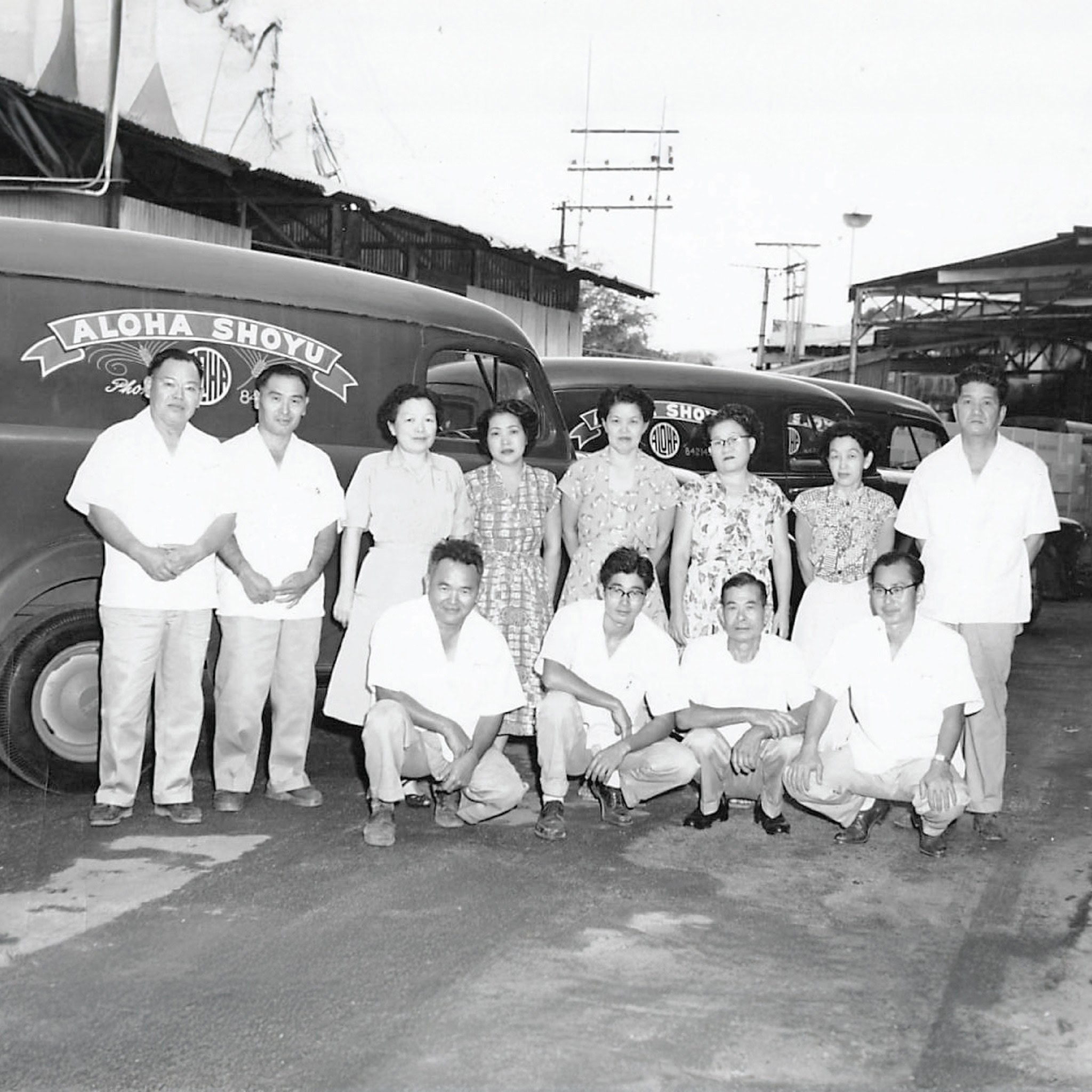
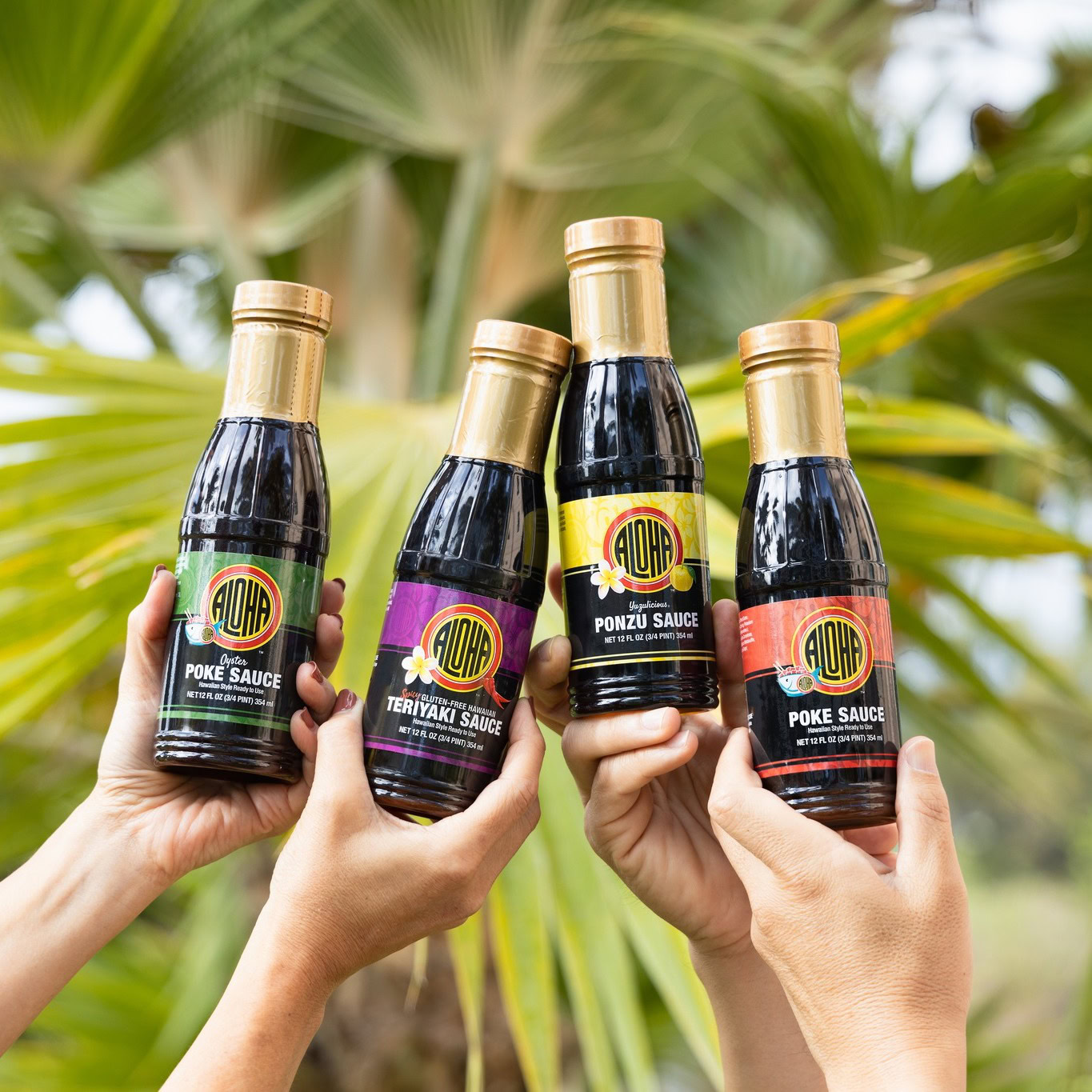
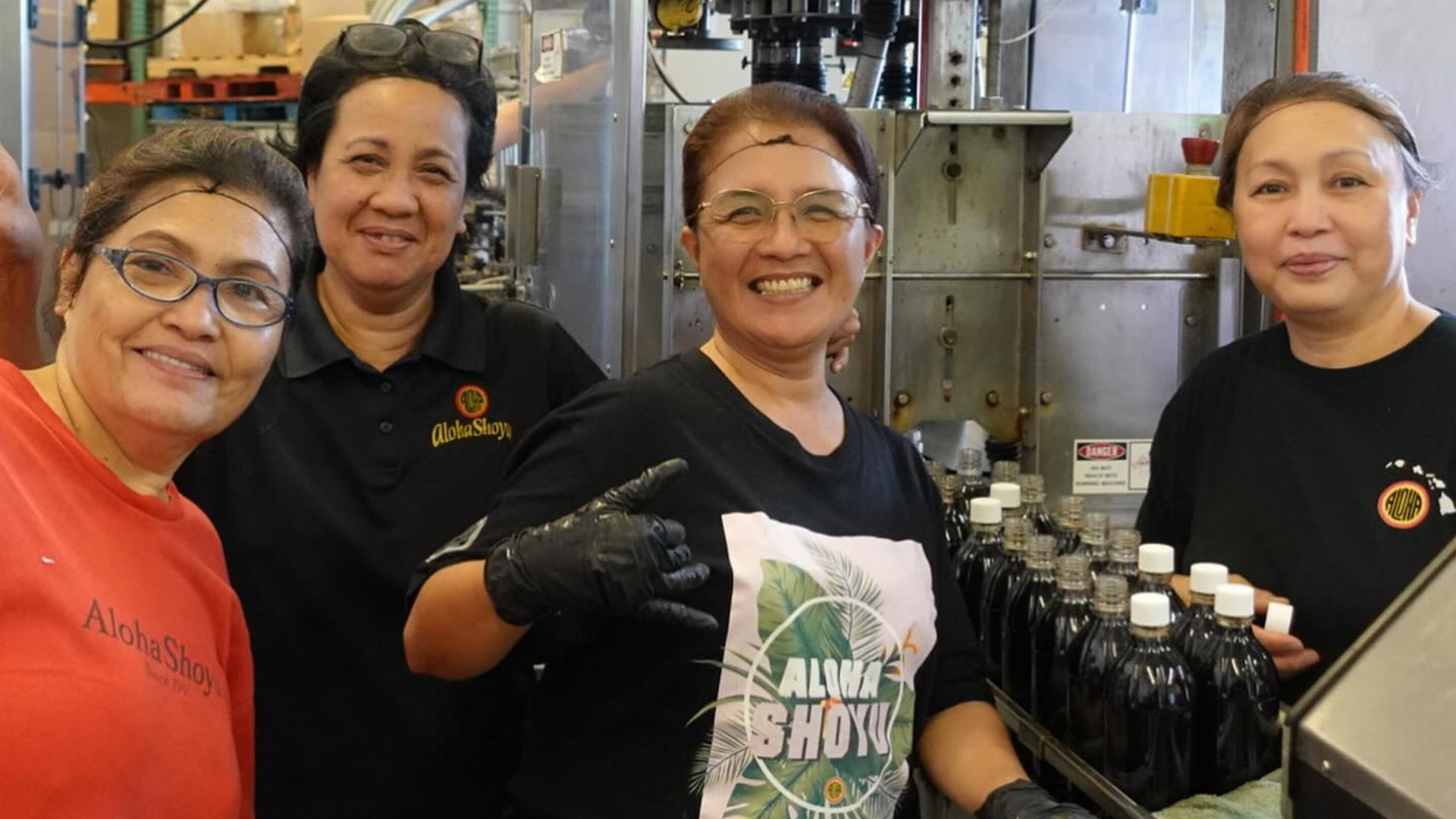
Not that these esteemed Japanese makers hold total dominance over artisanal soy sauce. Hawaii, for example, has had its mild Aloha Shoyu since 1946, a product that grew out of Japanese immigration to the islands. “People are often surprised to learn that Hawaii has a long-standing soy sauce tradition of its own,” noted Aloha’s spokesperson Alexus Rapoza. “It’s an example of a cultural journey showing how a traditional ingredient can evolve and become part of everyday life in new places.”

Indeed, much as craft movements have reshaped beer, chocolate and salt, soy sauce is slowly seeing further innovation thanks to the creation of microbreweries such as Tomasu, out of Rotterdam, which ages its soy sauce in Scottish whisky barrels, and Bourbon Barrel Foods, out of Louisville, the US’s first homegrown, high-end soy sauce. “I did it because nobody else was doing it,” said founder Matt Jamie, whose soy sauce is aged in bourbon barrels, giving it a subtle oaky undertone, and retails for around US$2 an ounce, compared with maybe 24 cents for an industrially produced soy sauce.
“In fact, the first time I went to Japan was to appear on Japanese TV to talk about it,” Jamie added. “Of course, there’s an artisanal version of so many products now, but [in many markets] the expectation of soy sauce is still a commodity. There’s still some work to be done on the perception of soy sauce. I even sell my soy sauce in Japan. They get that we respect how it should be made.”