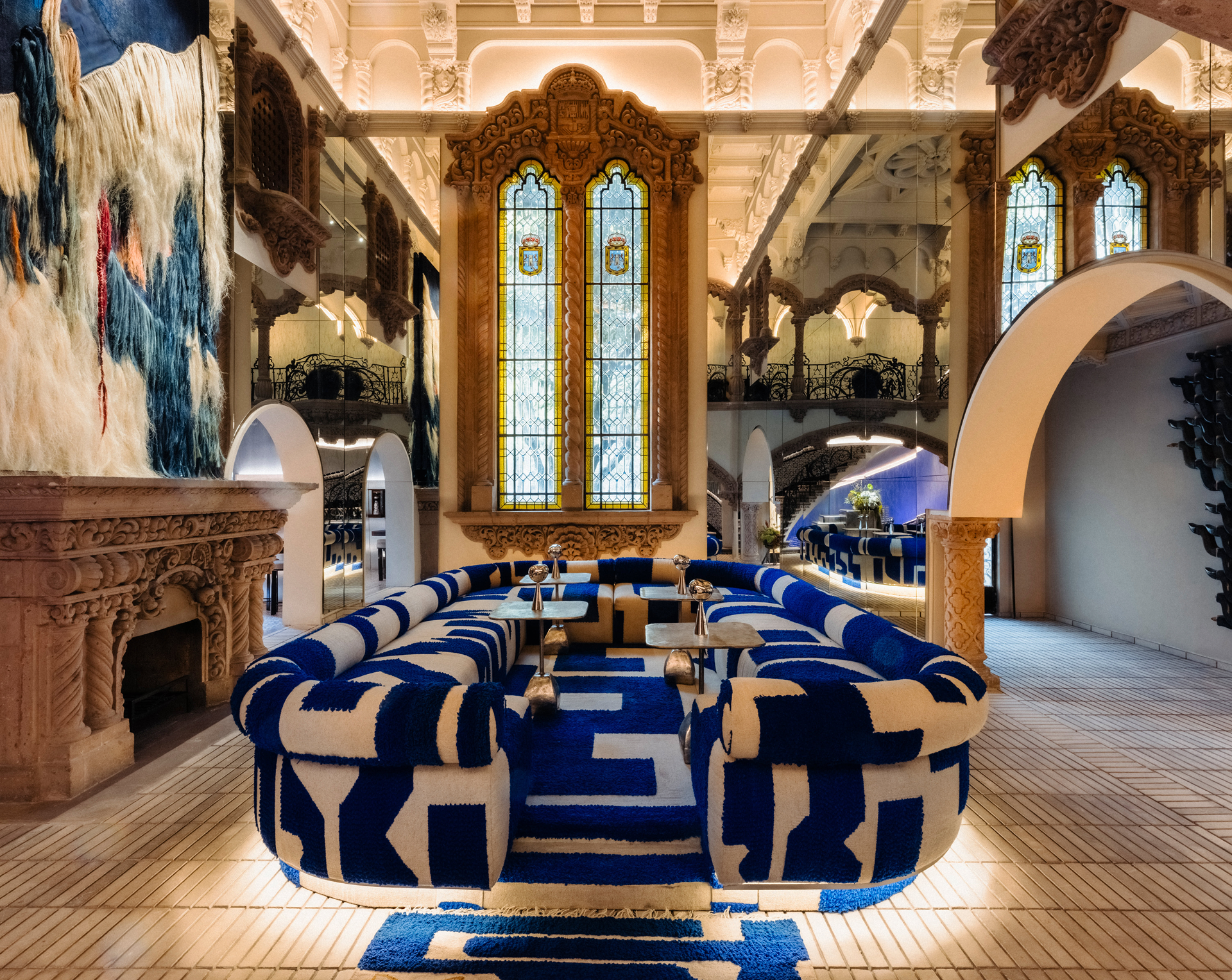
At first glance, Ostermoor could easily be mistaken for a new Scandinavian mattress brand. The blue-and-white ticking stripes, calm brand typography, and impeccably styled social campaigns suggest something contemporary and minimalist. The reality is both more interesting and more durable. Ostermoor is a New York–founded mattress company that dates back to 1853, long before the modern idea of a sleep brand existed.
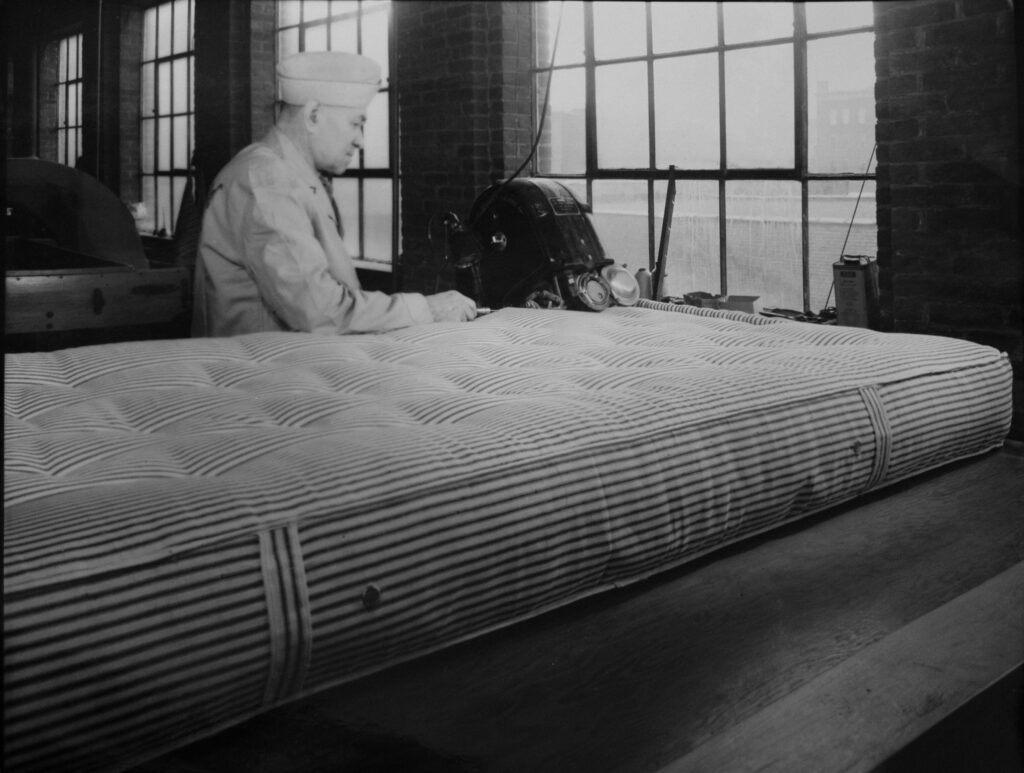

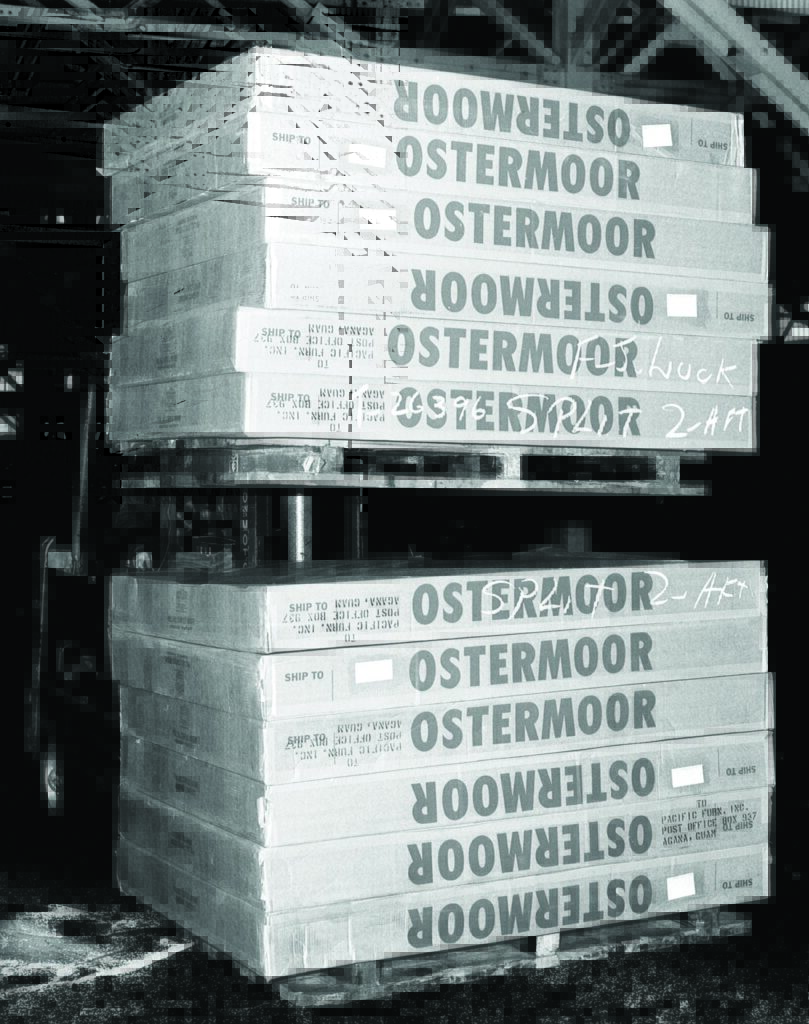
Ostermoor’s current owners, Amy Ding and her father, relaunched the company in 2024 as a direct-to-consumer business. There is no sprawling product catalog and no performative innovation. Instead, what caught our eye is the deliberate restraint.
That restraint feels particularly timely. The mattress industry has become crowded with novelty disguised as choice, endless SKUs, proprietary foams, and marketing-driven differentiation that often obscure what matters at night. Ostermoor’s bet according to Ding, is that fewer decisions, clearer construction, and visible craft resonate in a crowded space, especially with buyers who value longevity over iteration.
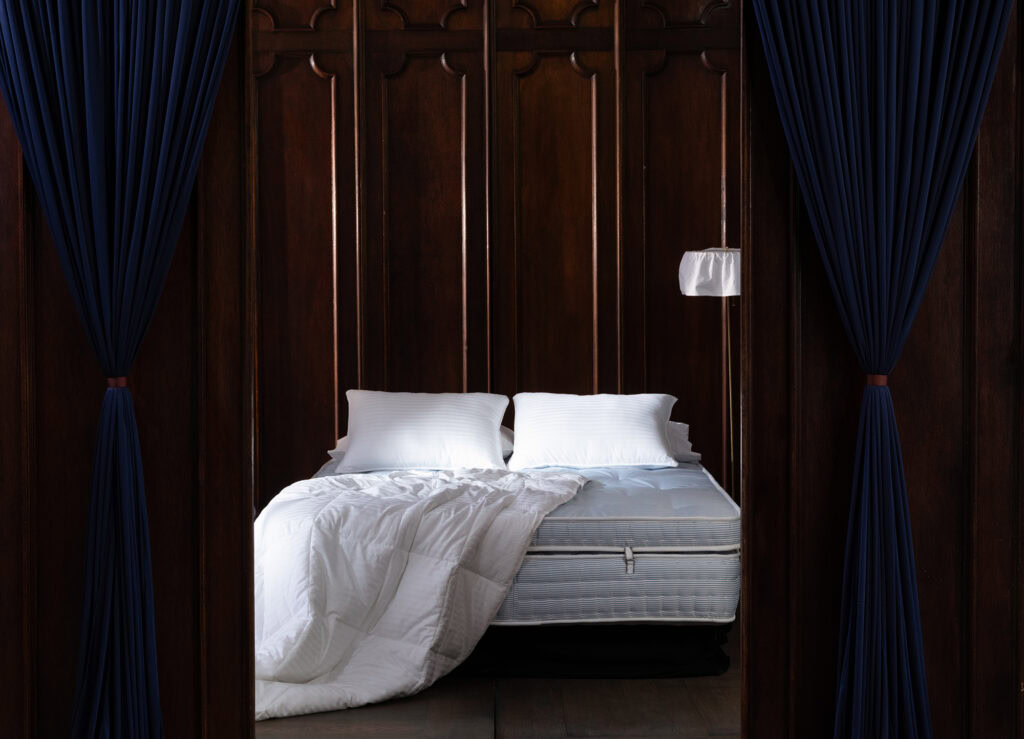
Ding created an intentionally narrow trio of offerings across two categories: three mattresses and three down accessories, a pillow, topper, and duvet. Production remains in an Ostermoor owned factory in Massachusetts (the original factory in 1853 was in Manhattan), and the duo of Dings make up the entire ownership structure. “We didn’t want to compromise,” the younger Ding told Crown & Caliber. “We wanted the customer to be able to unbox something manageable and enjoy a sleep experience that rivals the most premium offerings.”
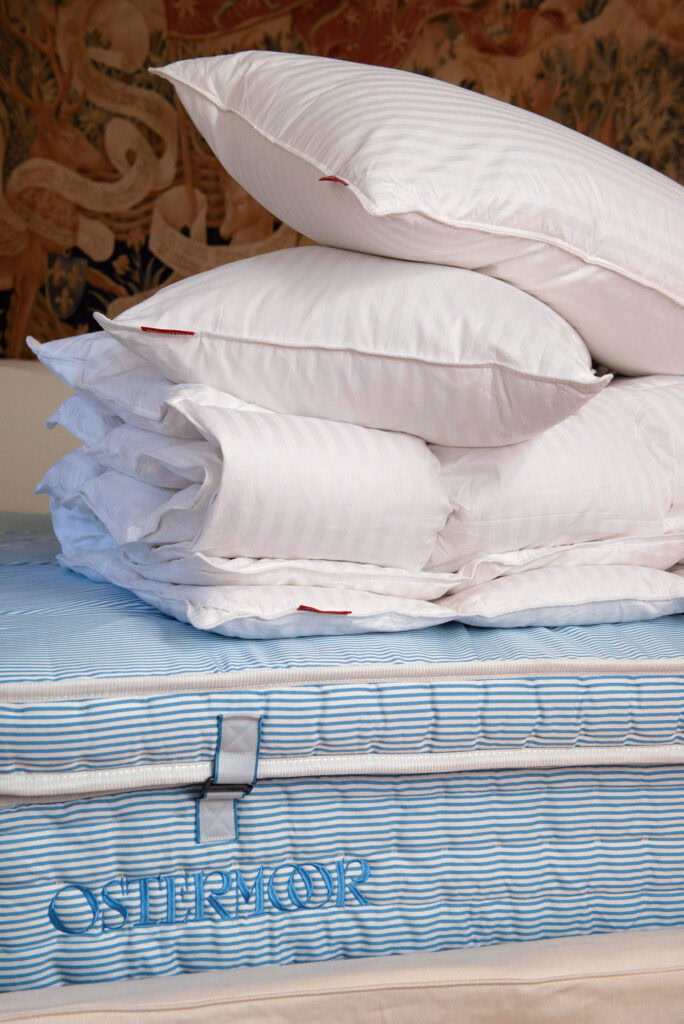
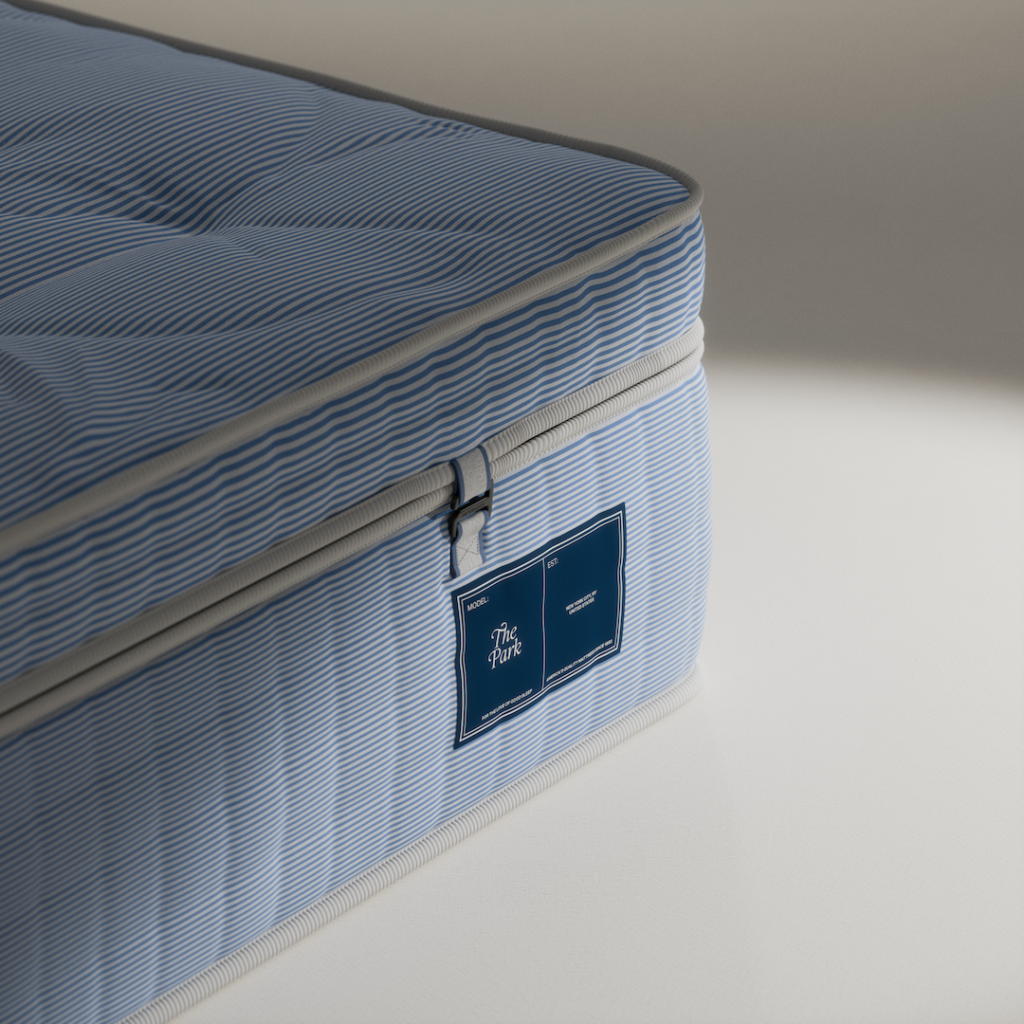
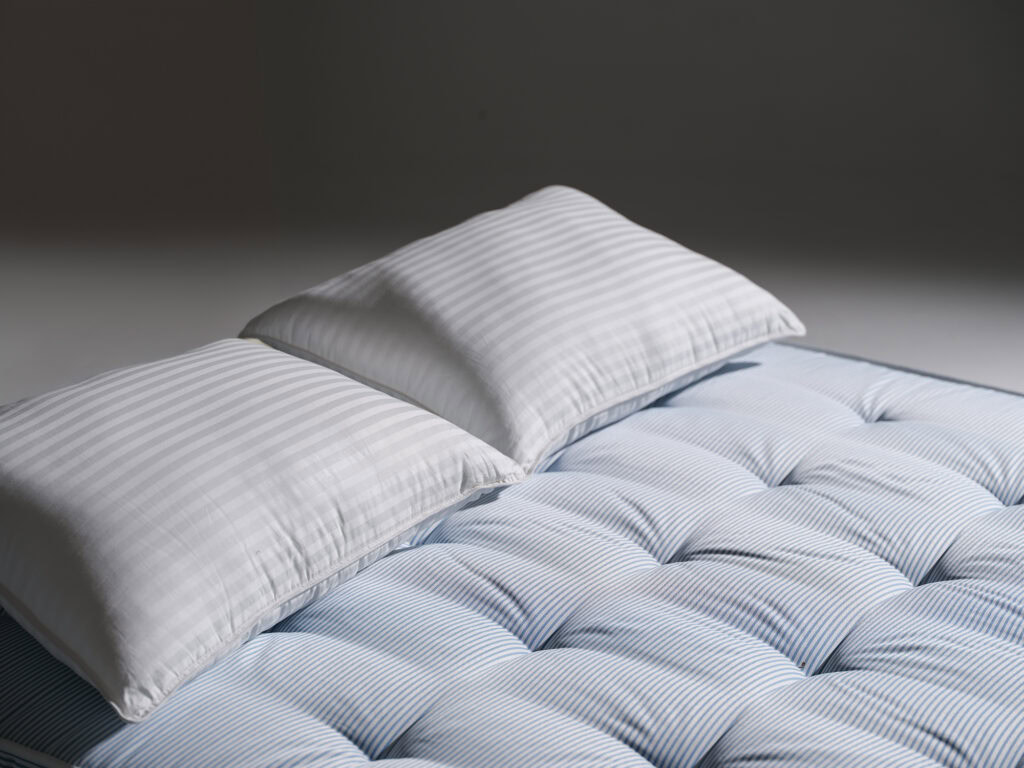
The Park mattress sits squarely within that philosophy. Its construction is layered but not complicated thanks to two latex-foam hybrid layers that sandwich a section of microcoils, creating flexibility and pressure relief while maintaining support. The foundation is built from ultrasonically welded pocket coils, eliminating the need for glues or adhesives. Above that, a latex foam blend and a second layer of responsive microcoils are finished with traditional hand-tufting.
The fastidious engineering is only the starting point; Ostermoor’s design and philosophy make it resonate. The brand has chosen to highlight the mattress intentionally as a visual centerpiece, reviving and celebrating Ostermoor’s original striped ticking pattern instead of hiding it behind a plain cover. “In the living room, the sofa sets the tone; the mattress can do the same in the bedroom,” Ding said. “It’s not just a utility item. It’s something you spend every day with. Why not celebrate it?”
Our take: What stands out most is how comfortable it has been over time; it’s not just me. When I was recently out of town, my in-laws slept on the Park and commented on how comfortable the mattress felt. Winning over in-laws usually means doing something right. Thus far, it hasn’t disappointed.
The Park, from $3,695 for a king; ostermoor.com