Set along the meandering road that leads from Turin to Mont Blanc, Ivrea is a study in contrasts. This ancient town, considered the capital of the Canavese area of Italy’s Piedmont region, is also a UNESCO World Heritage site, having been designated an “Industrial City of the 20th Century.” The innovative urban and architectural developments carried out by the pioneering Olivetti company in the 1900s made it a global model of human-oriented industry, a somewhat nostalgic notion today as workers fear being sidelined by AI.
Engineer Camillo Olivetti began his career in the early 20th century, focusing on precise mechanisms and measuring instruments, before transitioning into the manufacture of office machines. In 1911, the first Olivetti typewriter made its debut at the World’s Fair in Turin, and the company name soon became synonymous with innovative technology and eye-catching design.
Until the company’s fortunes began to wane in the 1960s, Olivetti was regarded as an industrial utopia, offering employees in Ivrea a wide range of social and cultural services to promote work-life balance and increase productivity. It includes gems like the Olivetti company library (home to around 100,000 books intended to broaden employees’ horizons) and the avant-garde housing especially crafted for the well-being of workers.
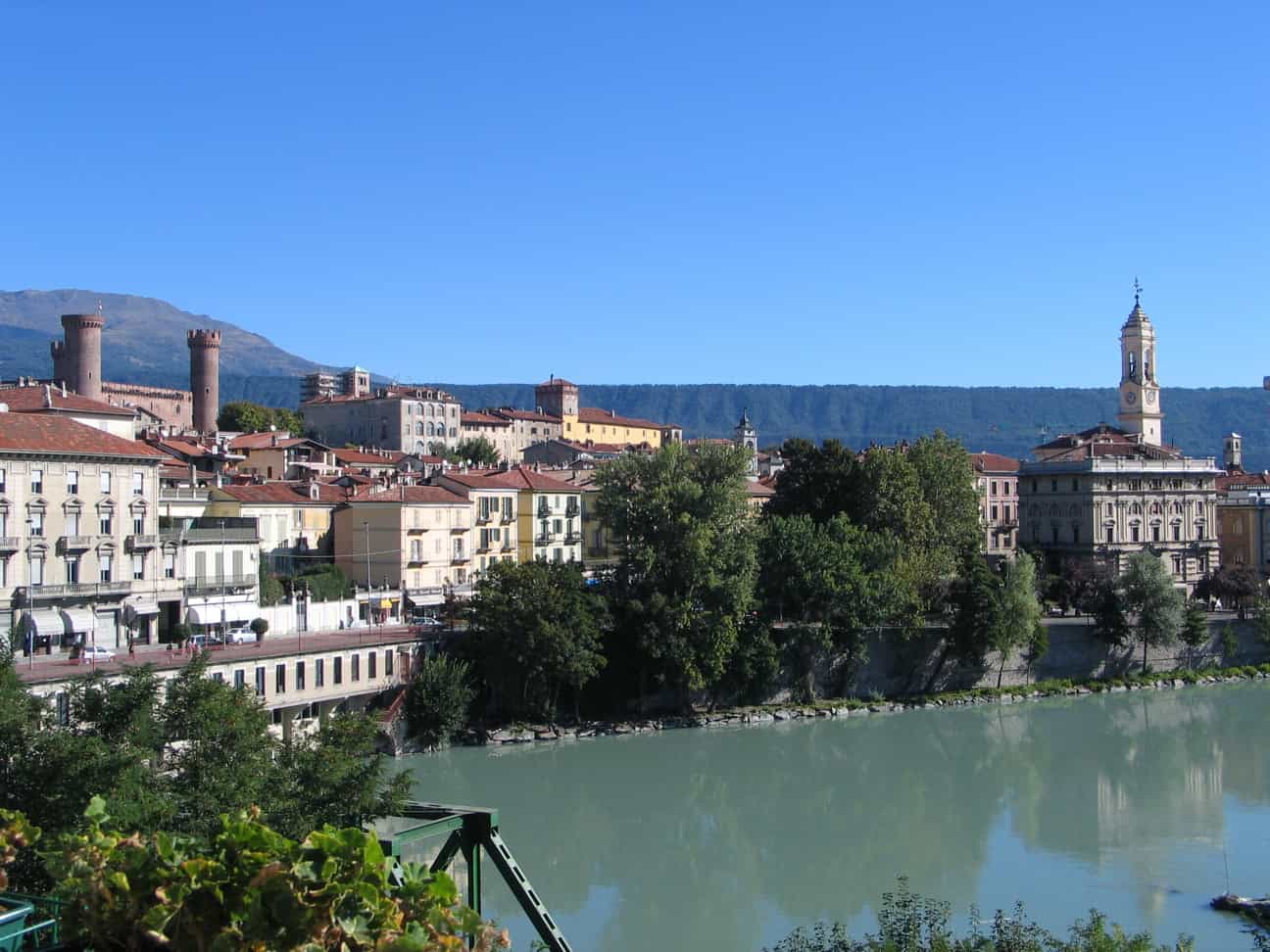
However, Ivrea has more to offer beyond Olivetti’s urban legacy. This unique hamlet dates back to Roman times and is well-positioned to enjoy everything northern Italy has to offer. It boasts proximity to a multitude of lakes and the Alps and offers the opportunity to savor the many Piedmontese specialties that are a draw for foodies. In addition to the region’s award-winning wines and fragrant truffles, a small hazelnut-hued onion from Ivrea features heavily in local cuisine.
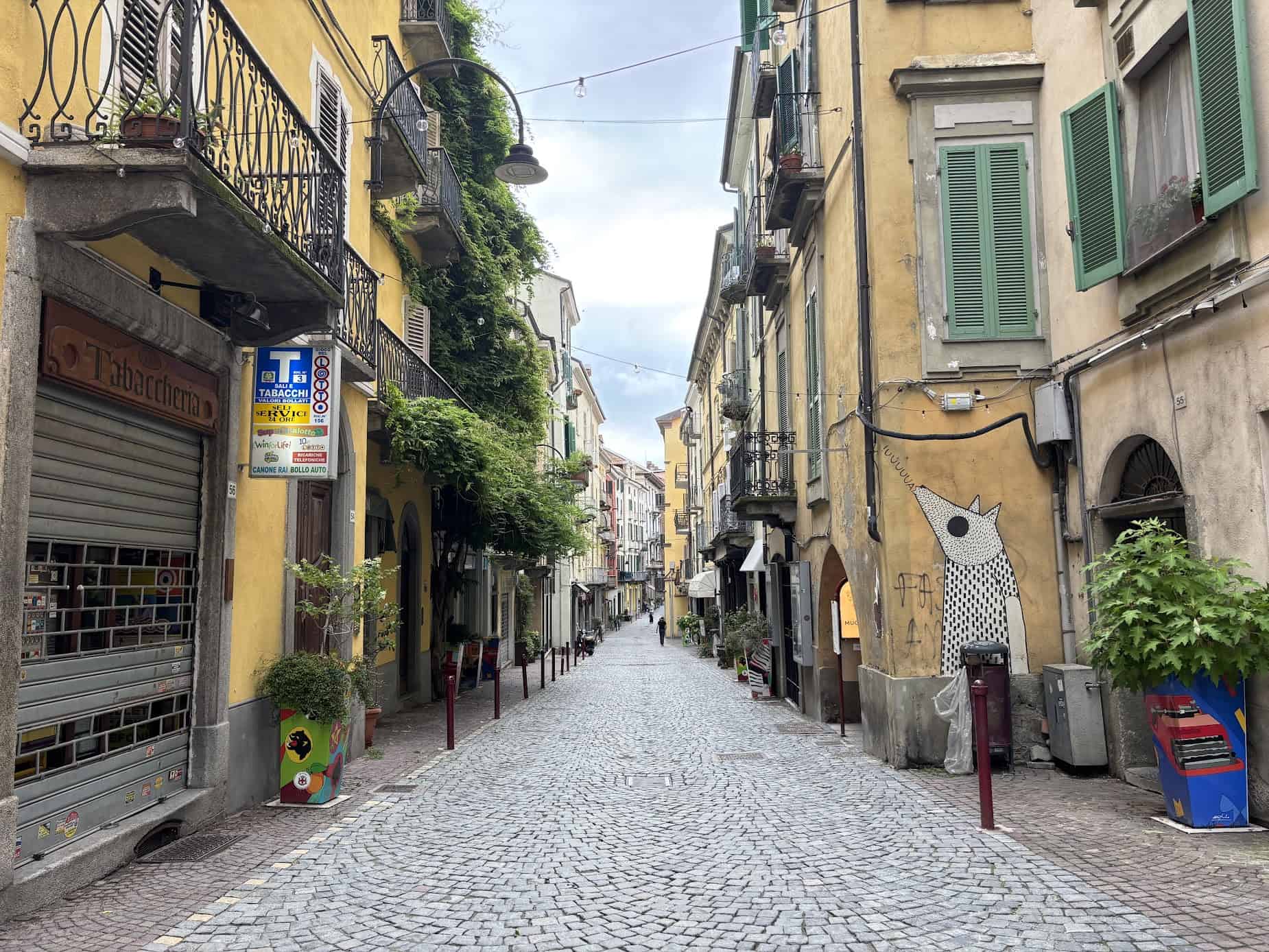
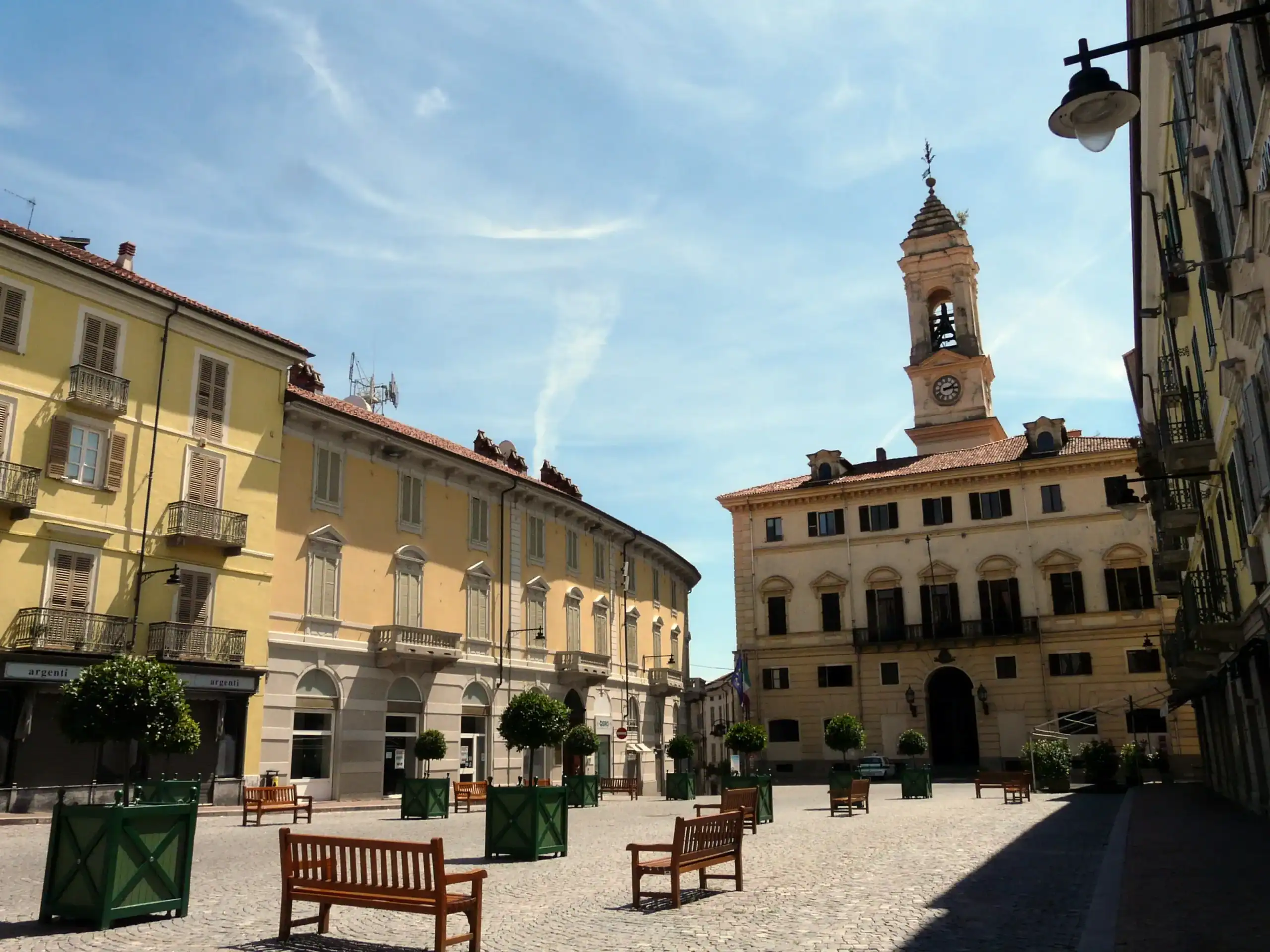
The center of town is a picturesque blend of medieval architecture and 20th-century buildings, with narrow streets and striking squares. The Dora Baltea River cuts through town, its waters thrumming powerfully (industriously, one could say) under Ivrea’s impressive bridges, old and new. In winter, visitors come from all over to take part in the Carnival of Ivrea, making for Italy’s largest food fight, as teams in historical garb pelt each other with gusto in an all-out “Battle of the Oranges.”
The glory days of Olivetti may be behind it, but Ivrea aspires to remain a place of relevance, celebrated for the many legacies that have defined it.
During mid-year celebrations to honor San Savino, the town’s patron saint, Ivrea mayor Matteo Chiantore said, “This is another example of how our tradition continues to lead us into the future.”
Stay
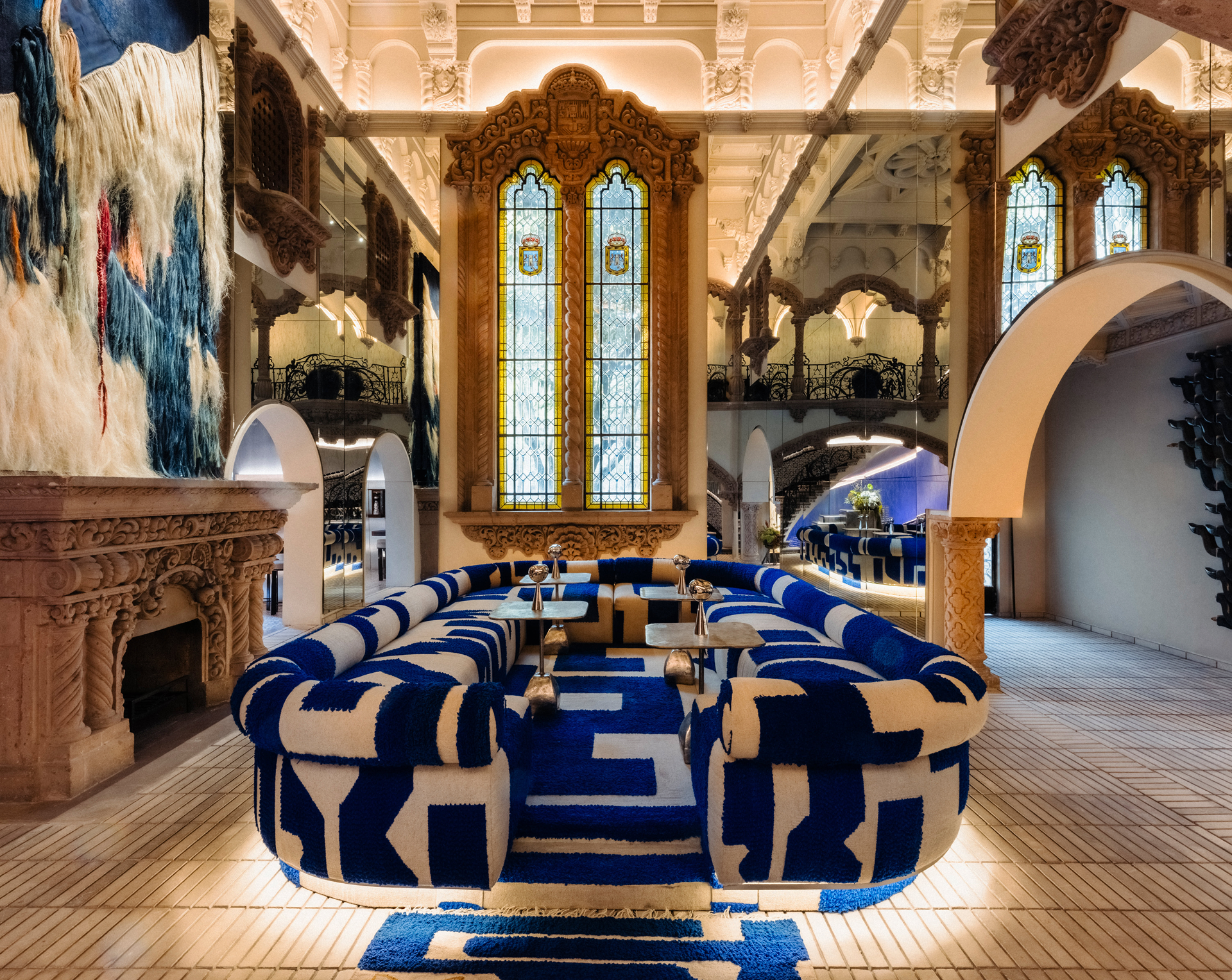
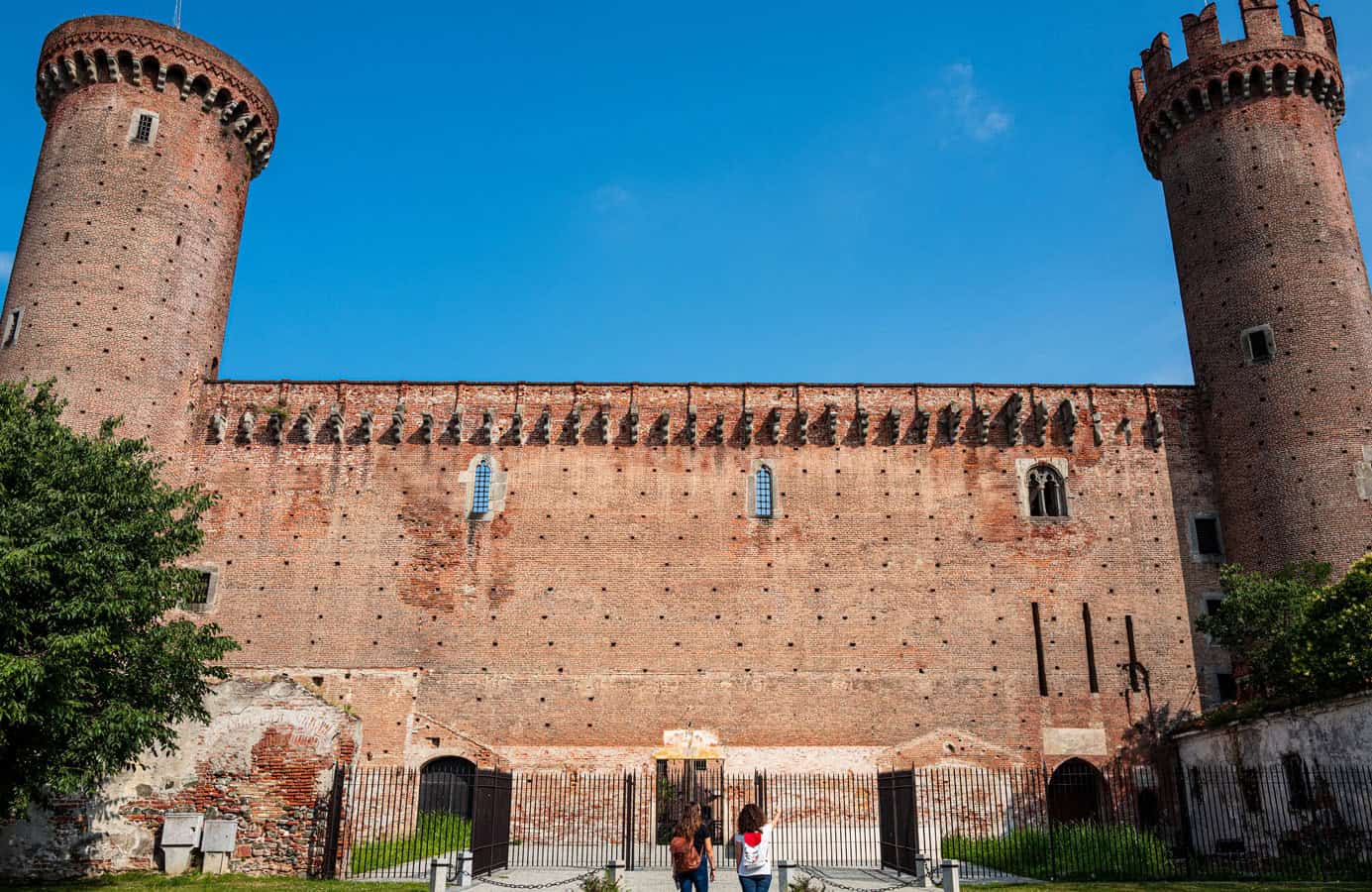
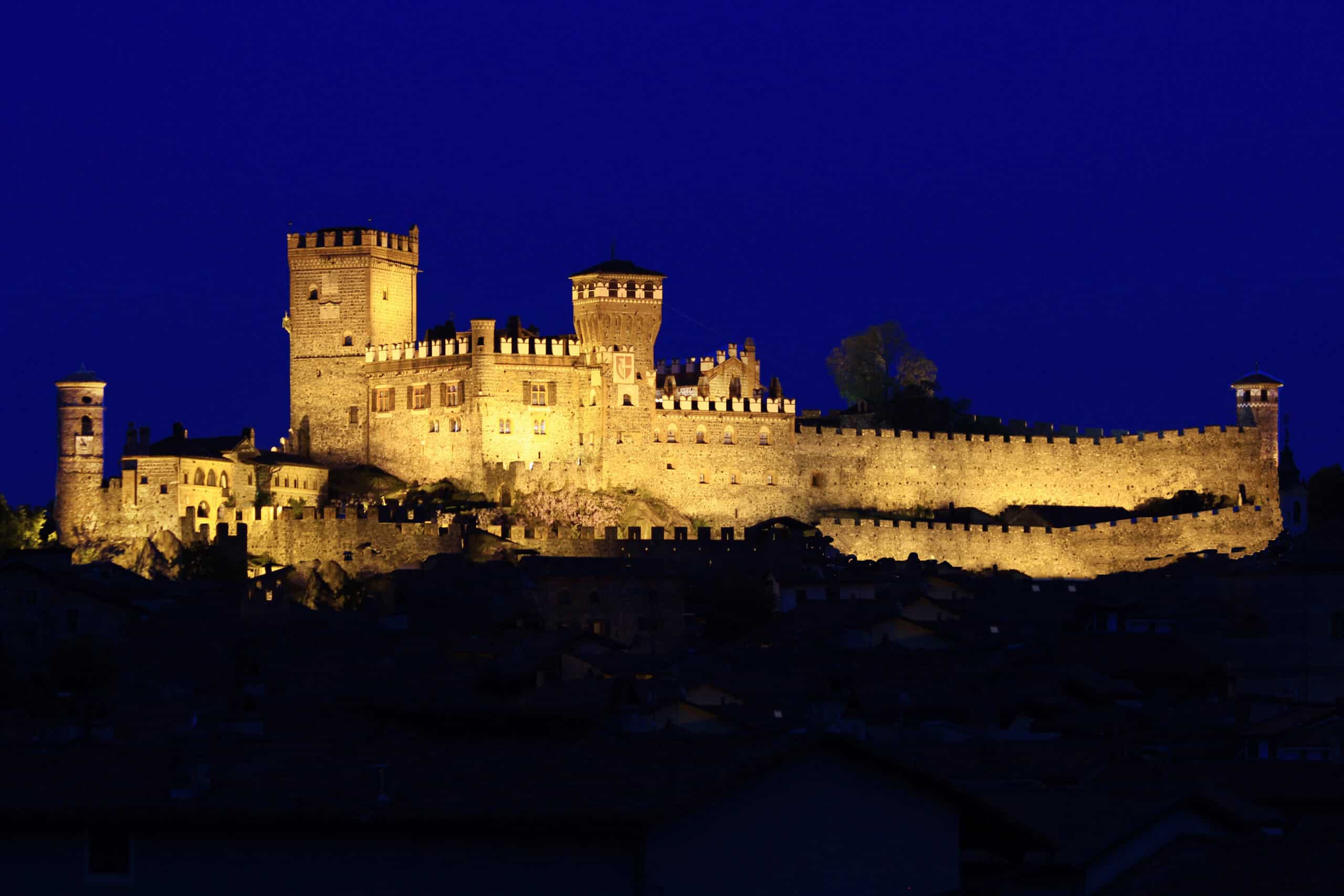
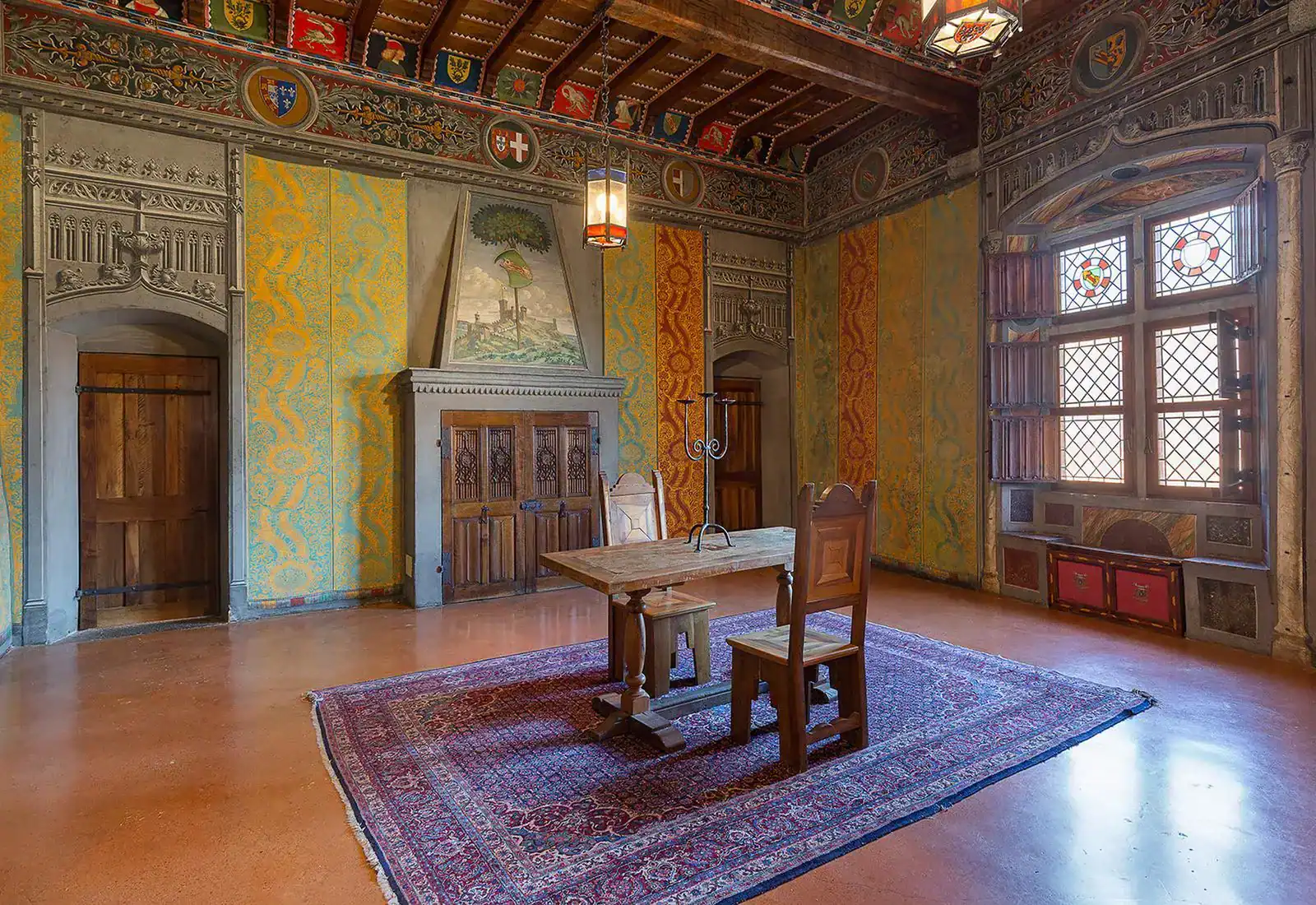
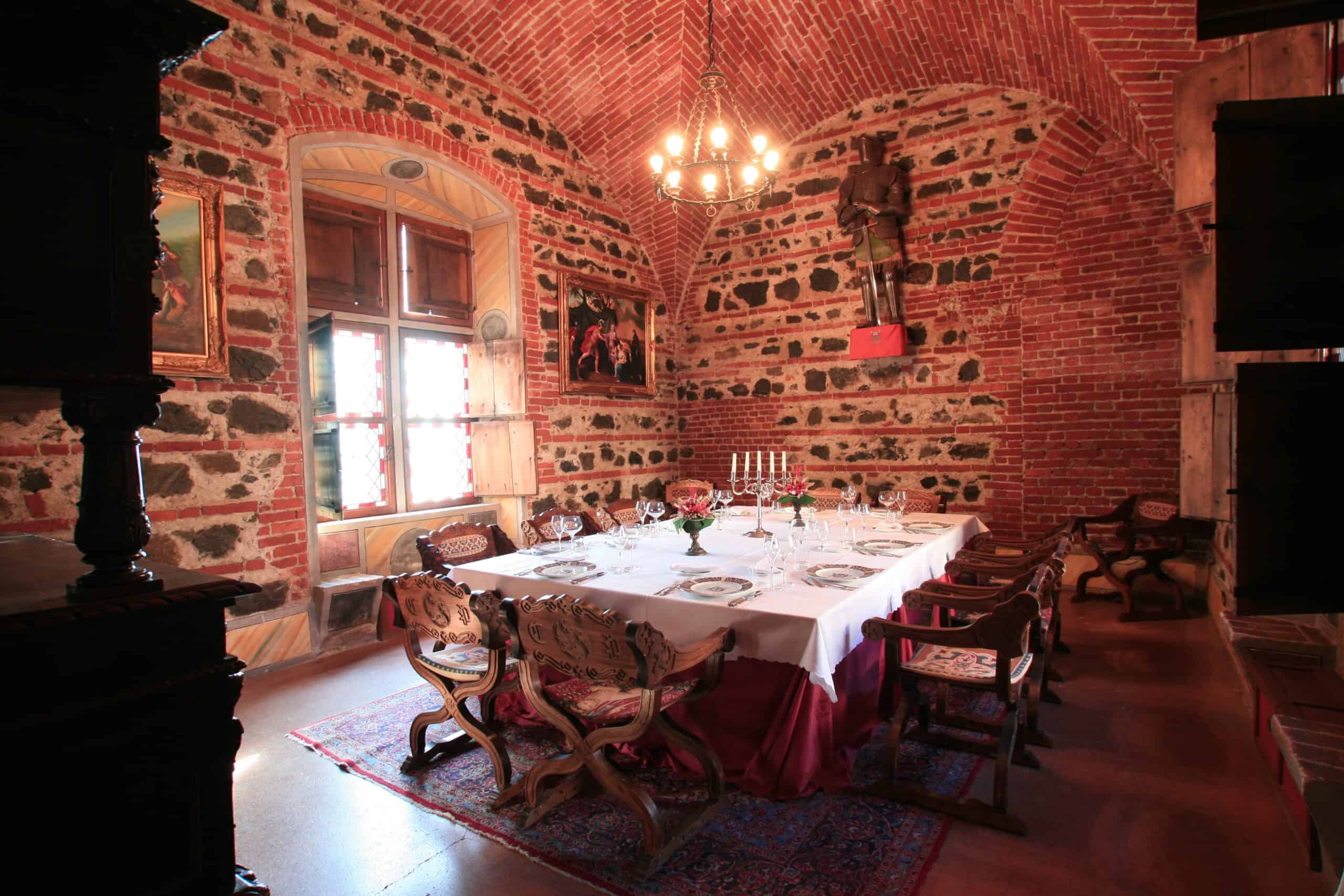
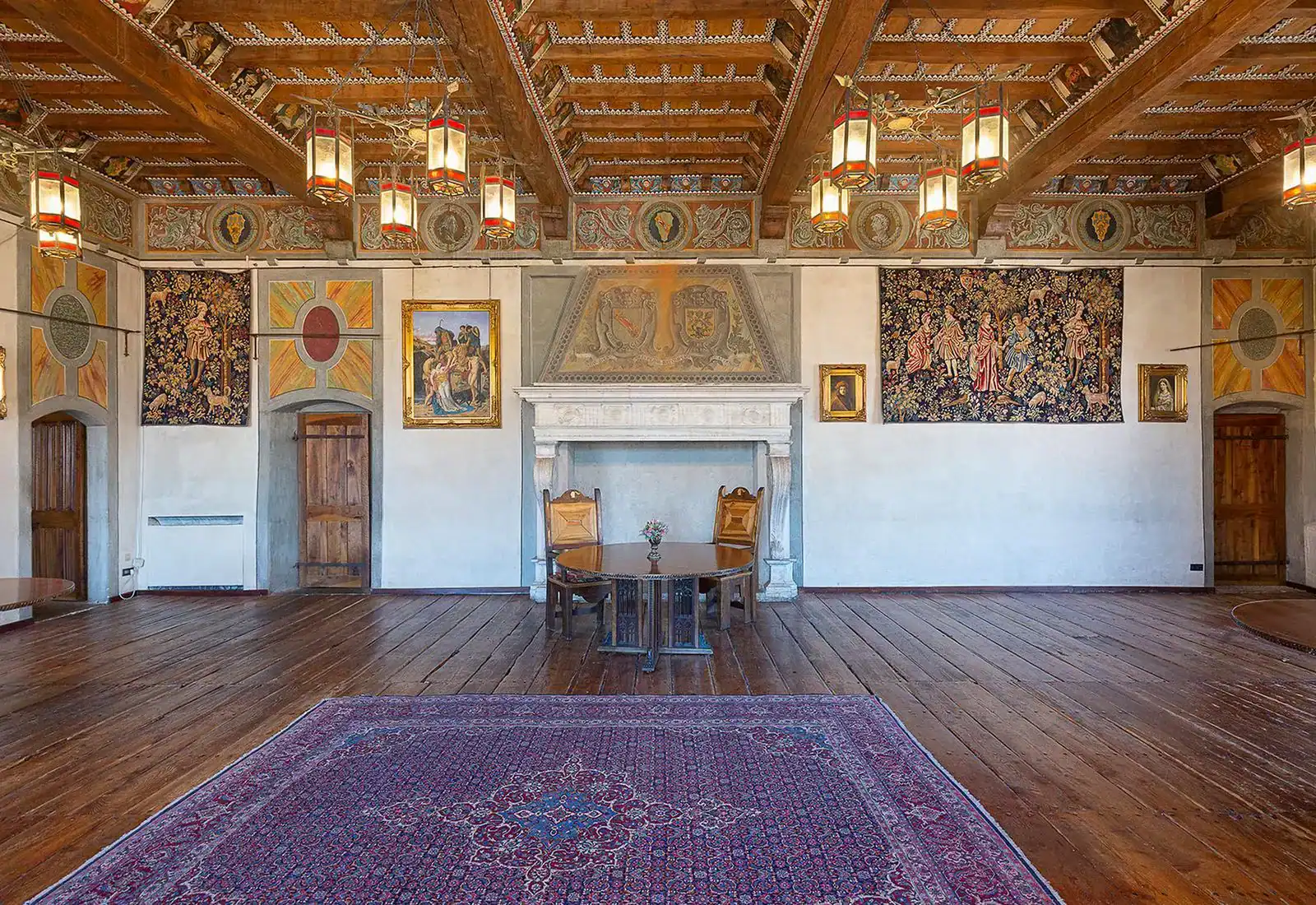
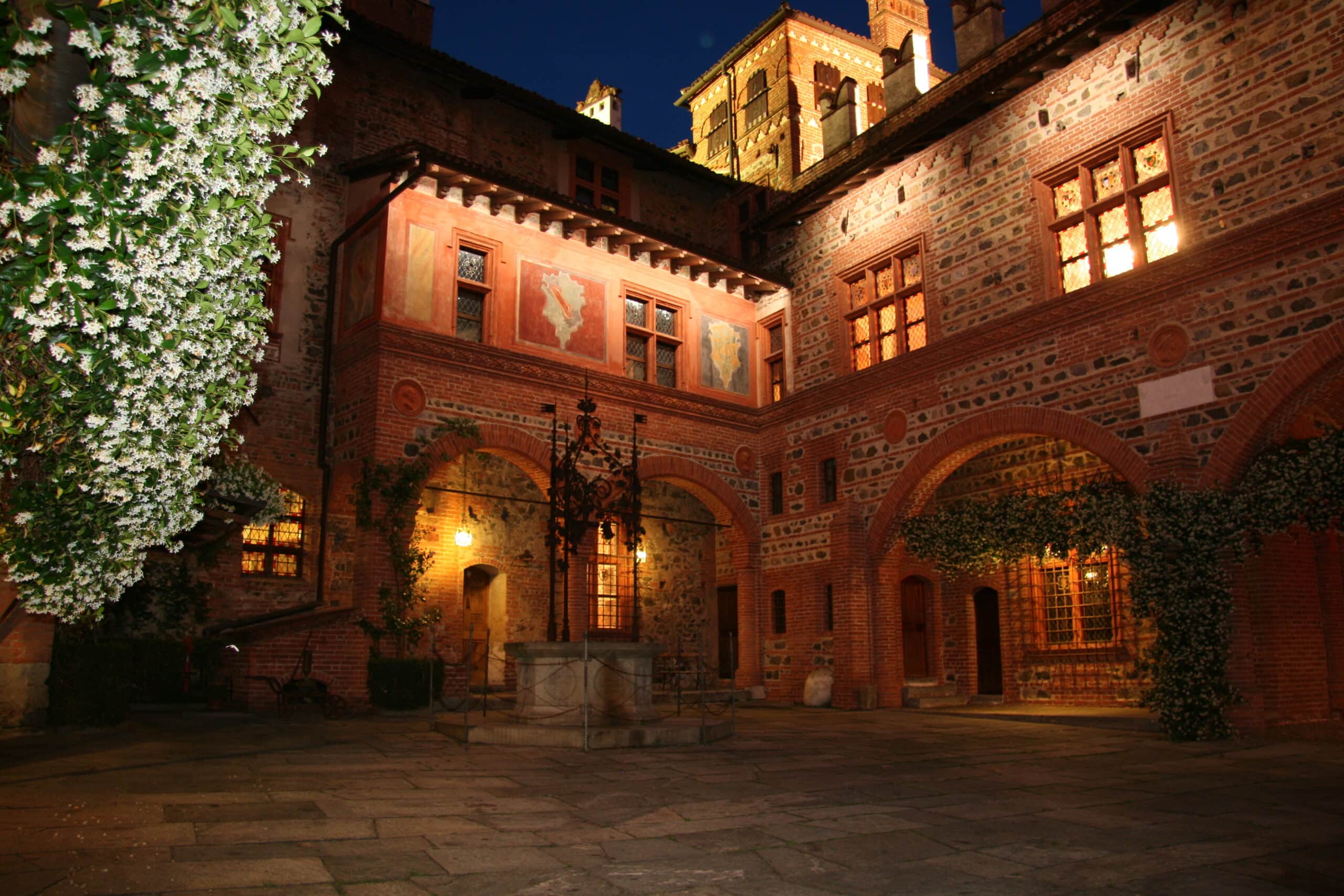
Down the road from Ivrea, Castello di Pavone offers 27 rooms and suites, as well as several elegant dining venues. Originally built in the 9th Century as a defensive fortress, Castello di Pavone stands majestically atop a hill, offering breathtaking views of the Alps and surrounding landscapes. Medieval vaulted ceilings, crenellated fortress walls, and a church dating back to 859 AD (complete with two Roman tombs from the fourth and fifth centuries BC) all sit within the fortified castle.
Eat
Hidden down a little alleyway off of one of the main roads in the center of Ivrea, La Mugnaia is a reference to local lore about a mugnaia (miller’s daughter) who was said to have sparked an uprising against a local tyrant. With its dramatic arched ceilings, the atmosphere references tradition, but the cuisine is a contemporary take on seasonal, homegrown flavors. This restaurant serves up artfully presented Italian dishes, such as wild herb ravioli in lemongrass broth with marinated char, or tomato water risotto with salted lemon and shrimp. Mains include grilled Fassona beef served with a potato millefeuille, while desserts can be quite creative, such as white chocolate crème brûlée with cardamom and lime-tequila granita.
Drink
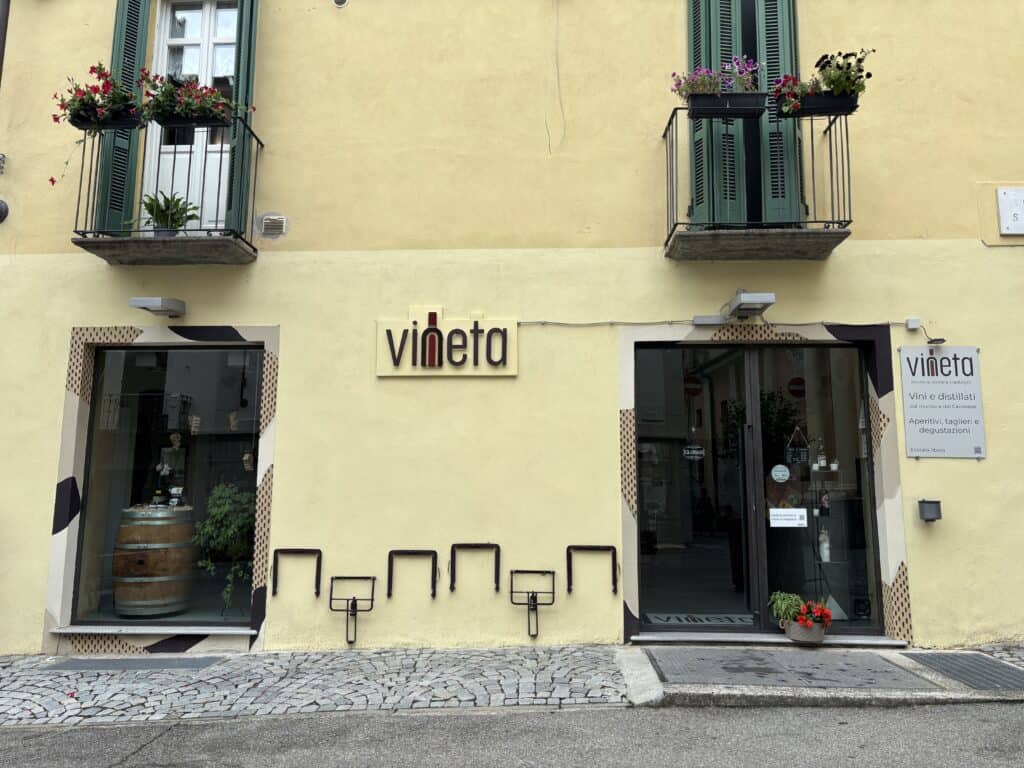
Situated on a quaint piazza not far from Ivrea’s Santa Maria Assunta Cathedral, the Enoteca Vineta is a wine shop and bar with an impressive selection of vintages on offer. Owner Stefano Giunto (a trained sommelier) is typically on hand to make recommendations. Settle in here with a Piedmontese red or white accompanied by a charcuterie board of local salumi and cheeses while watching the comings and goings in the square.
For those who prefer brews over Barolos, the nearby Alibi Beer Shop in Via Arduino sells more than 100 types of beers and ciders from Italy and abroad. Stop in to get beer to take away or linger awhile, enjoying a cold one served along with local food specialties.
Indulge
The area in and around Ivrea has long been known for its quality textiles, with a tradition that dates back to before pre-Roman times, marked by the establishment of mills along Piedmont’s rivers and Alpine streams. Angelico is a local business that started as a “lanificio” (wool mill) in the 1950s. The Ivrea boutique offers a curated selection of smart suits, dress shirts, and refined everyday essentials for men, all crafted from fine materials. While the focus is on menswear, there are also women’s collections, including shirts, pants, dresses, and scarves.
Explore
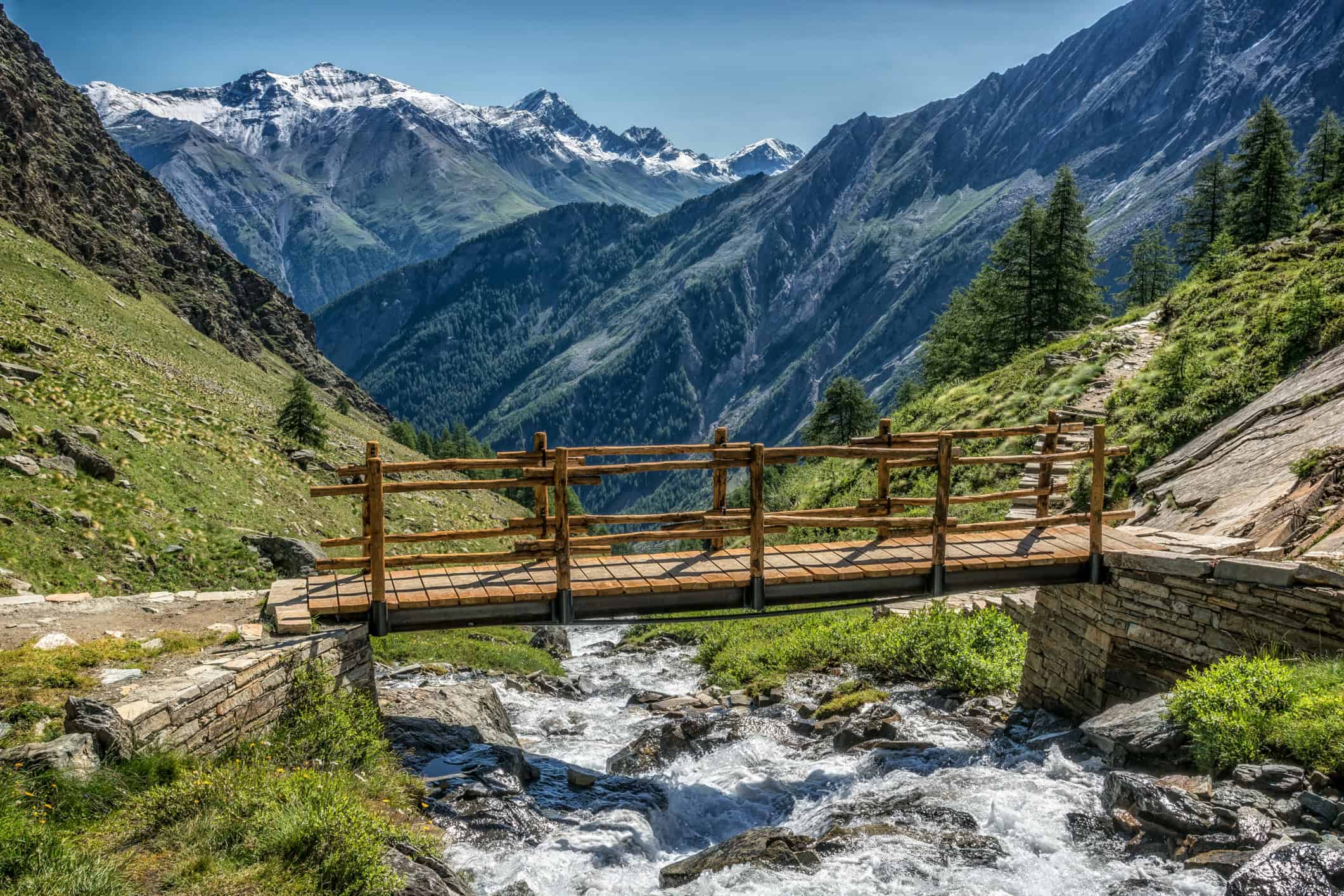
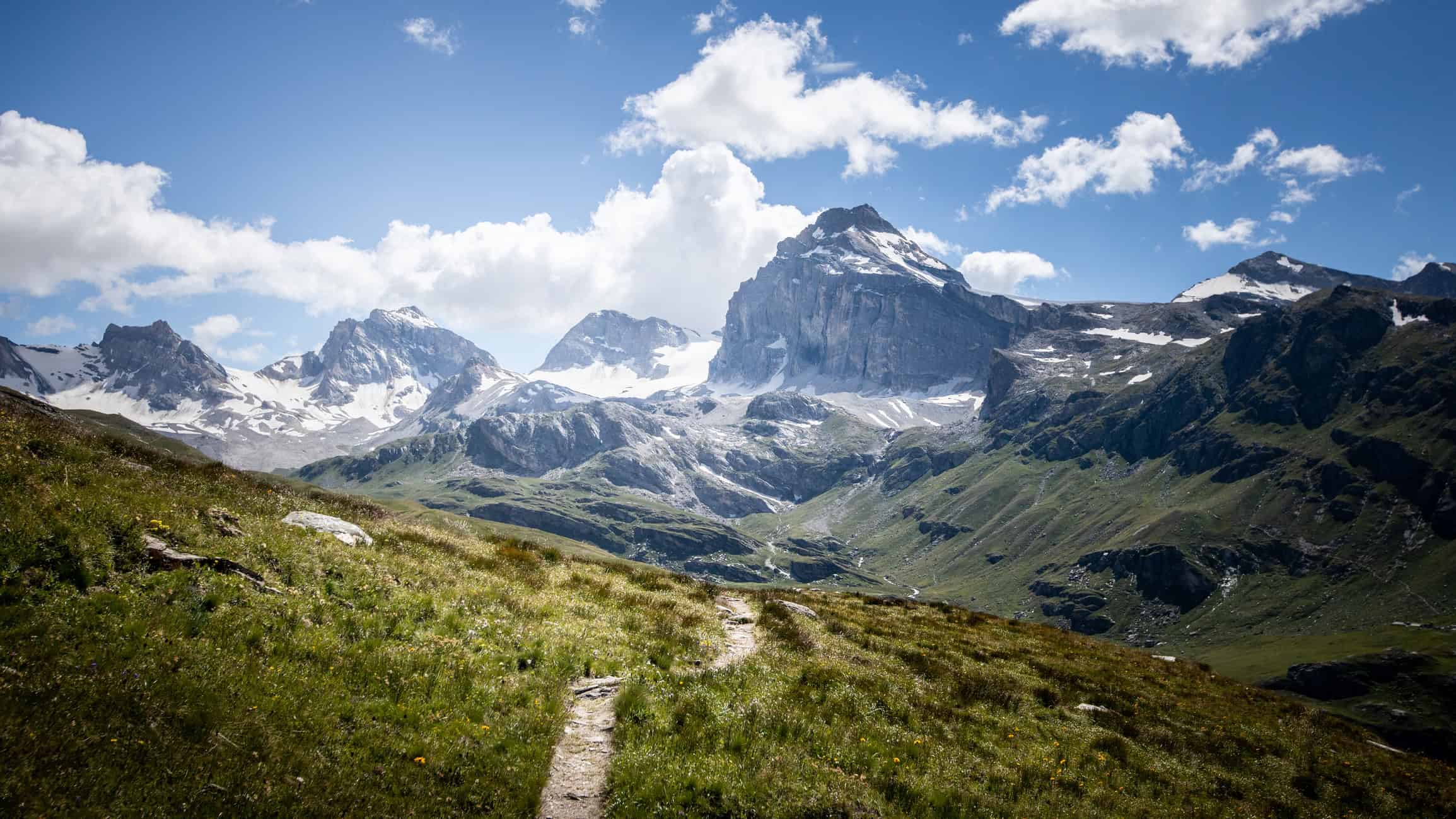
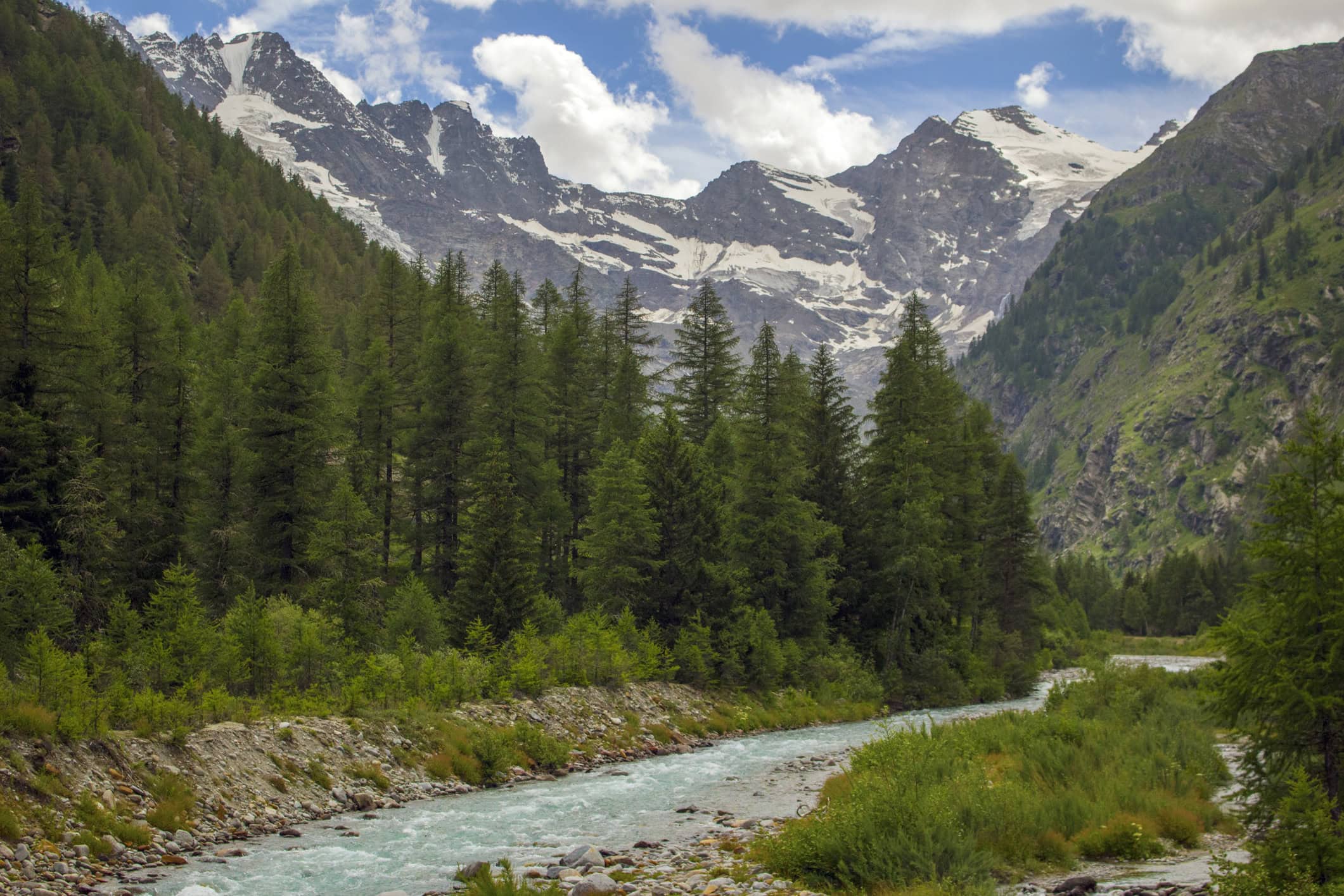
Just an hour’s drive from Ivrea is one of Italy’s oldest and largest national parks, a serene escape that is seemingly unaffected by the tourist hordes flocking to Italy in ever greater numbers. Gran Paradiso is an untamed swath of Alpine wilderness. Once the royal hunting grounds of the Savoy family, the park spans five massive valleys and includes the rugged Gran Paradiso peak (13,323 feet). Come here to explore endless miles of forests and pastures while admiring rare wildlife and stunning natural panoramas. Stop in at the park’s main visitor center in Ronco Canavese to get the lay of the land.
Only in Ivrea
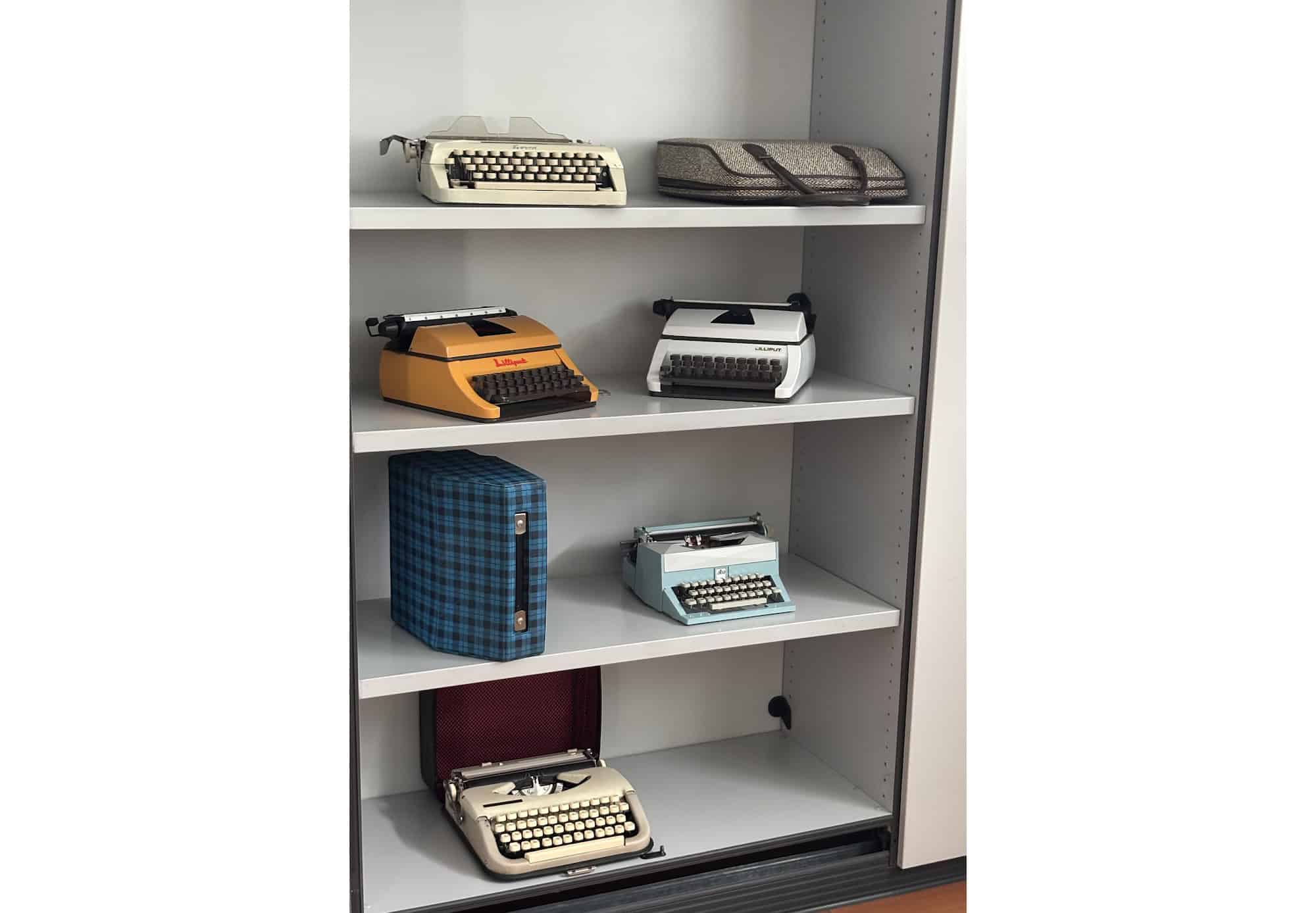
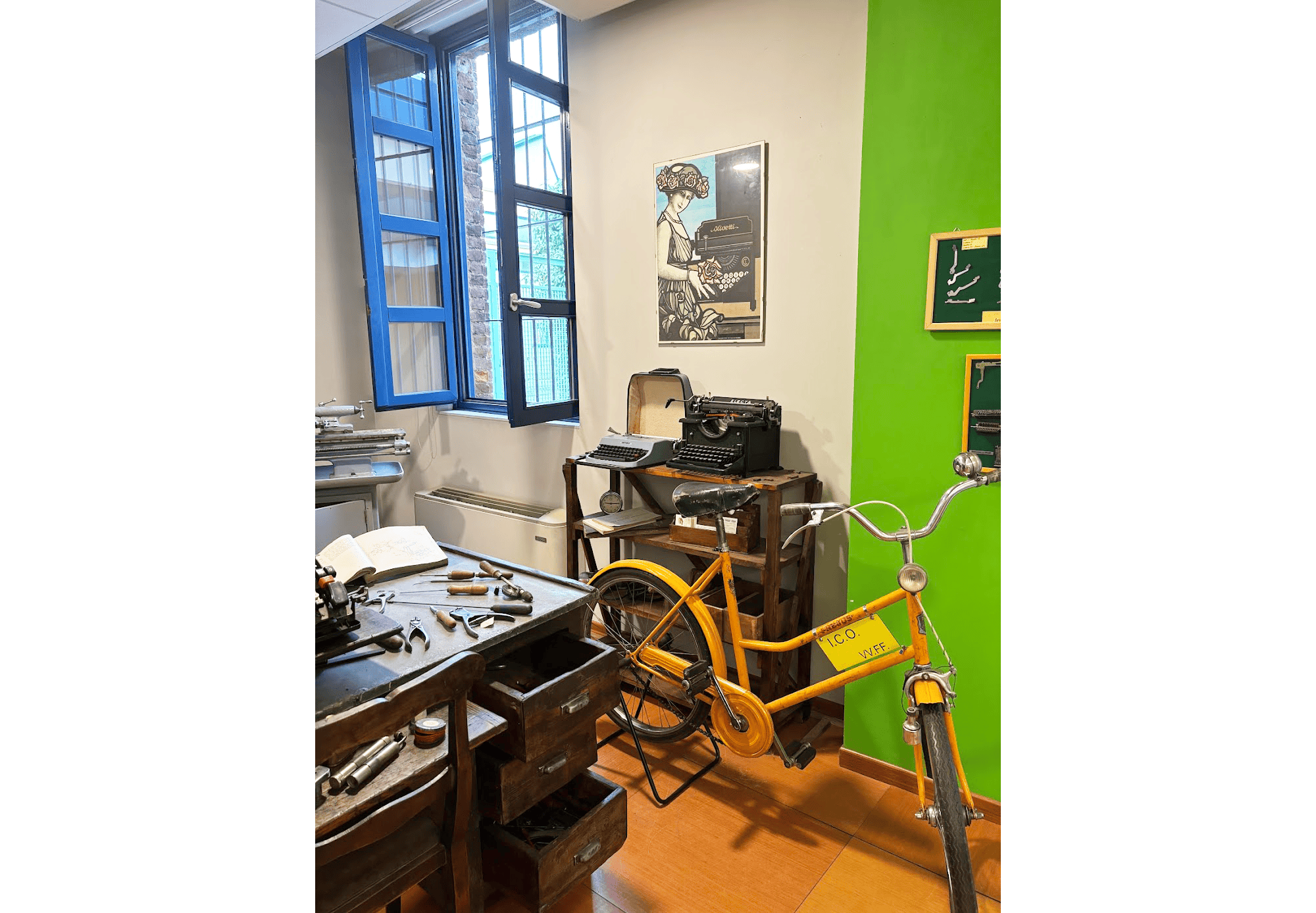
Ivrea’s TECNOLOGIC@MENTE Museum follows the history of Olivetti from its origins. The venue’s charmingly retro rooms are reminiscent of office spaces straight out of the “Mad Men” era, chock full of vintage mechanisms and machines displayed alongside candy-colored Olivetti typewriters, some dreamt up by famous Italian designers. The nearby UNESCO Visitor Center offers tours of the city’s industrial legacy.