Few figures in modern motorsport sustain relevance across disciplines, decades, and generations quite like Carlos Sainz Sr. Known universally as El Matador, Sainz is a former World Rally Champion and a four-time Dakar Rally winner, a résumé that has cemented him as Spain’s greatest off-road racer and one of the most durable competitors the sport has ever produced. From WRC stages to desert endurance racing, his career has been defined less by reinvention than by an uncommon ability to adapt without compromise.
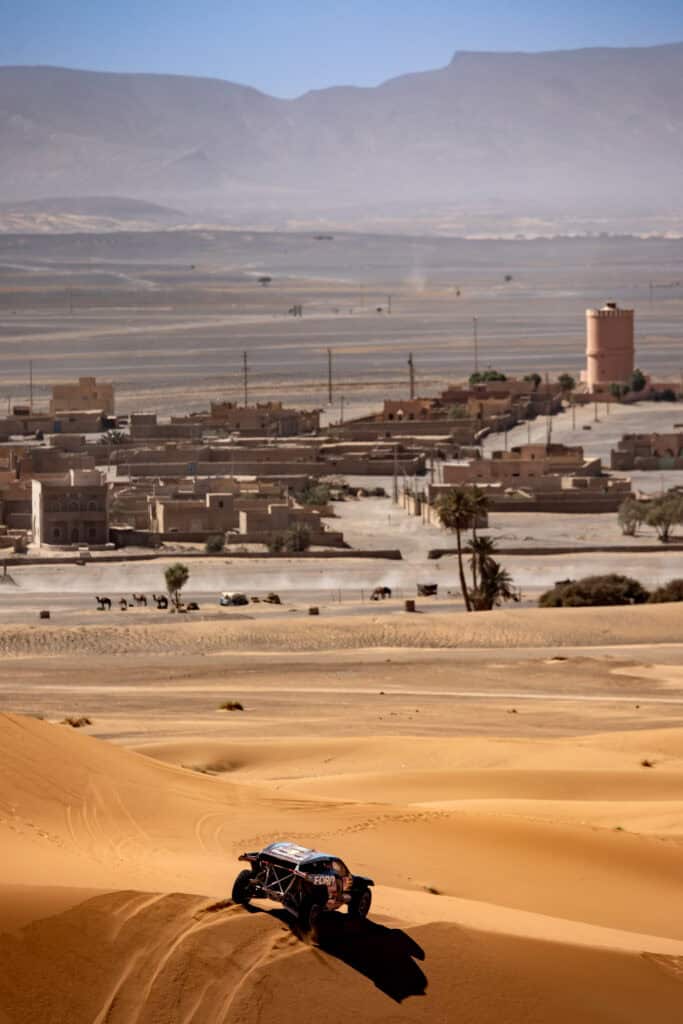
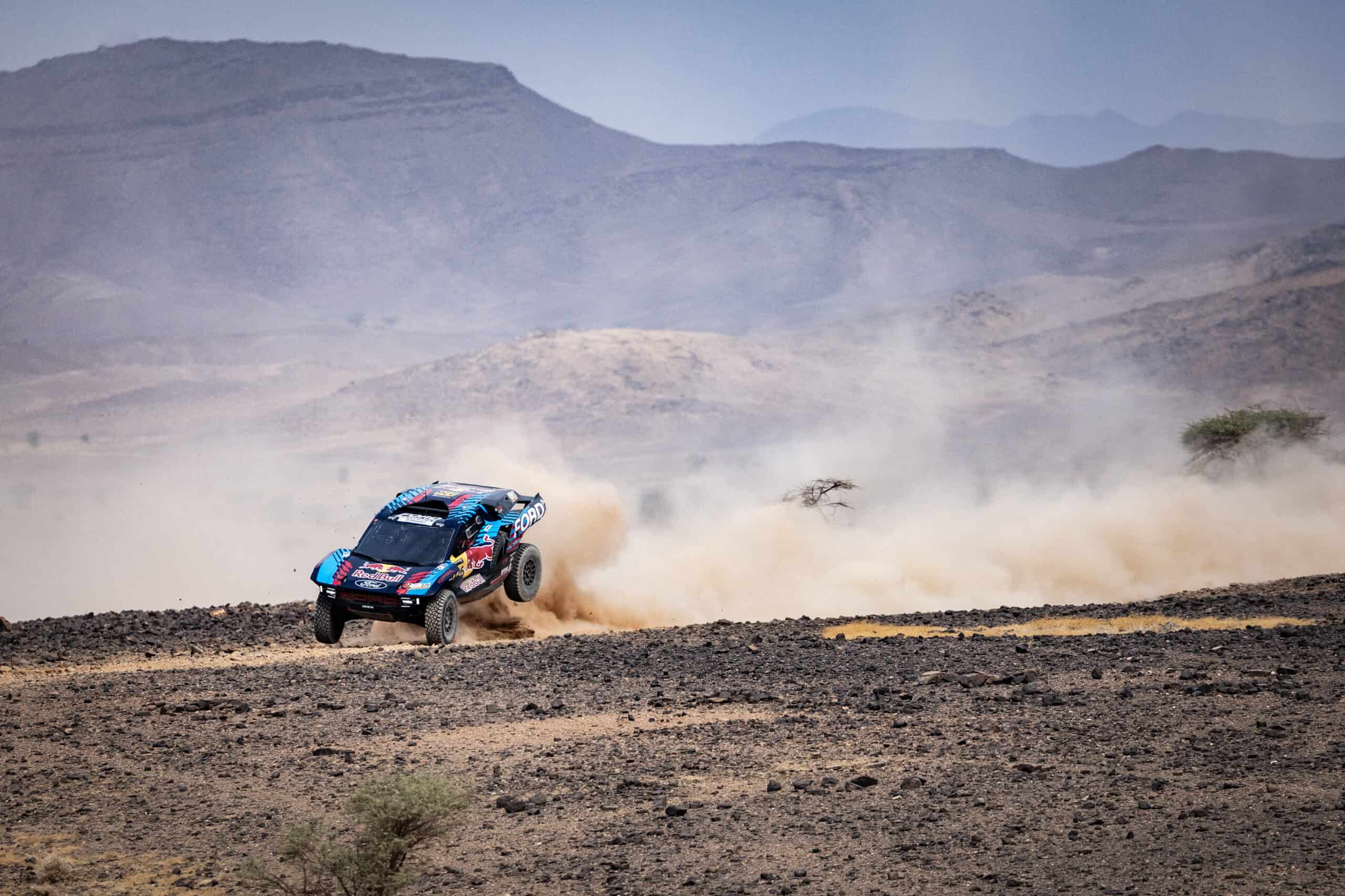
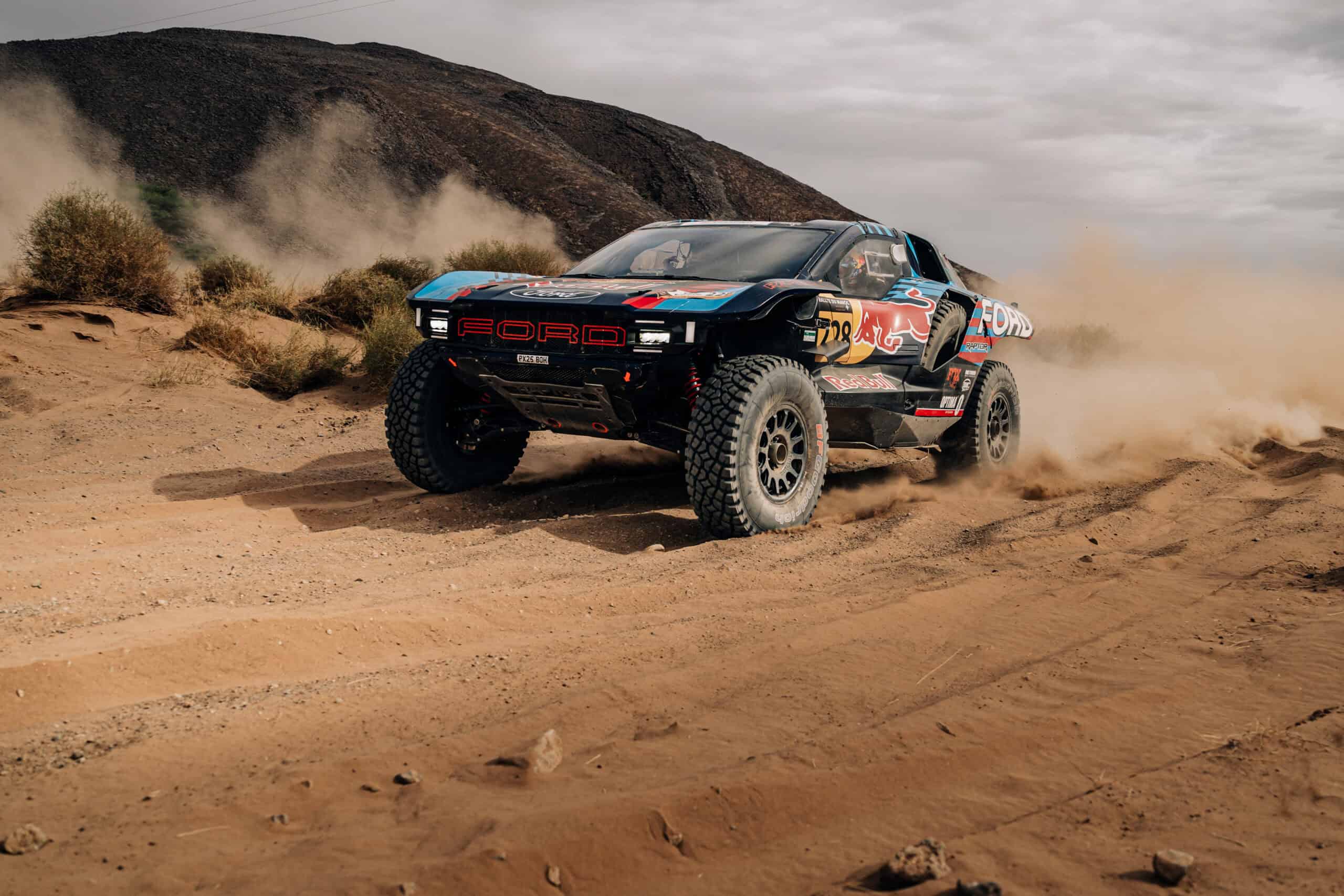
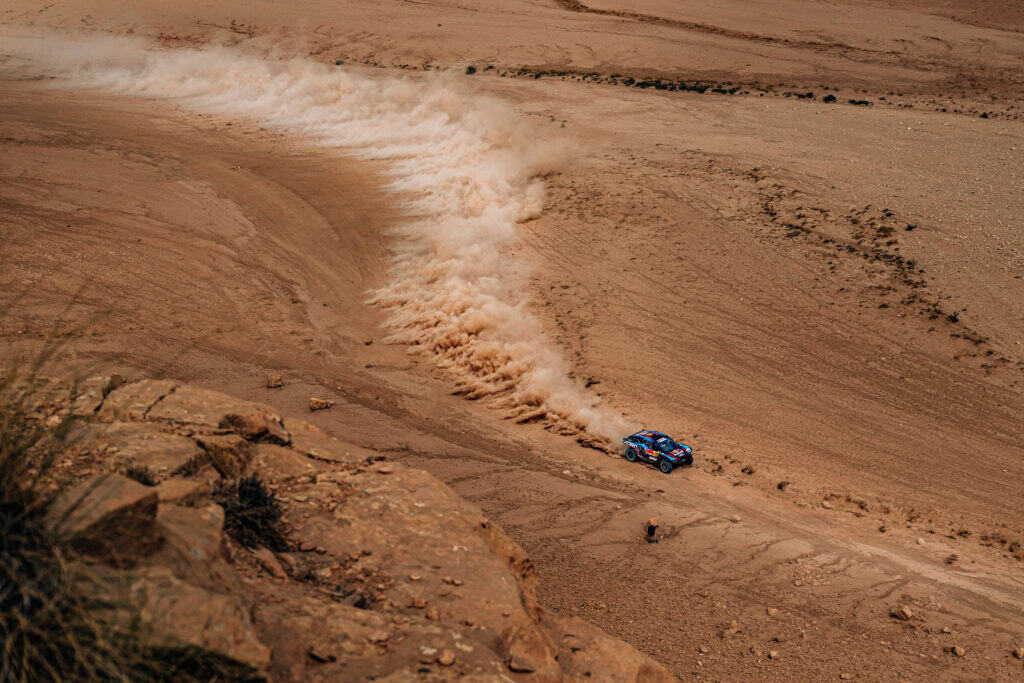
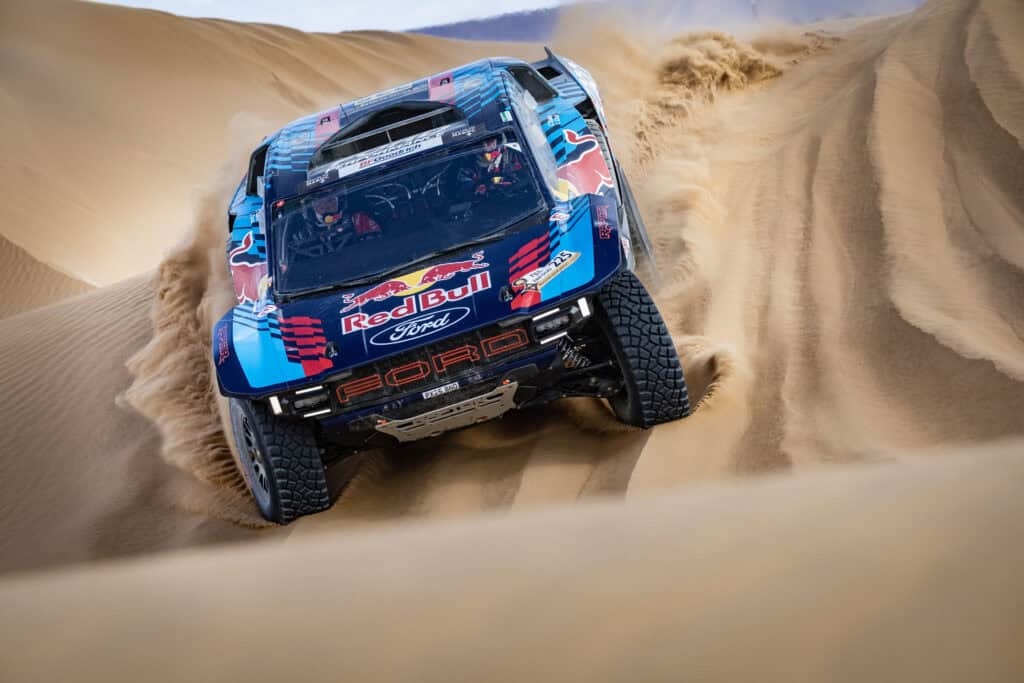
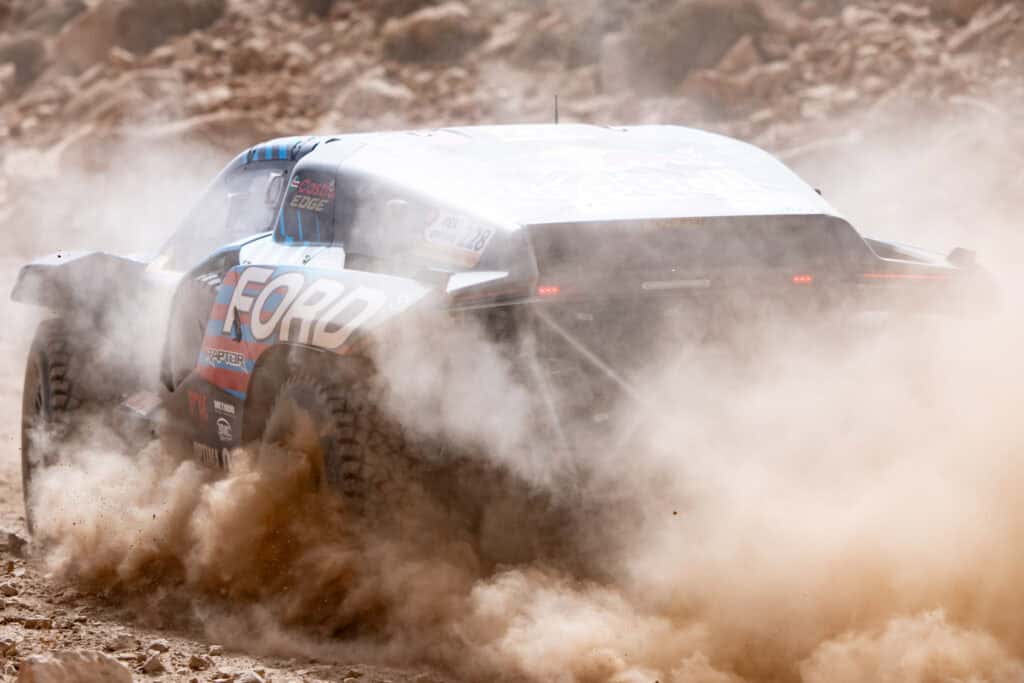
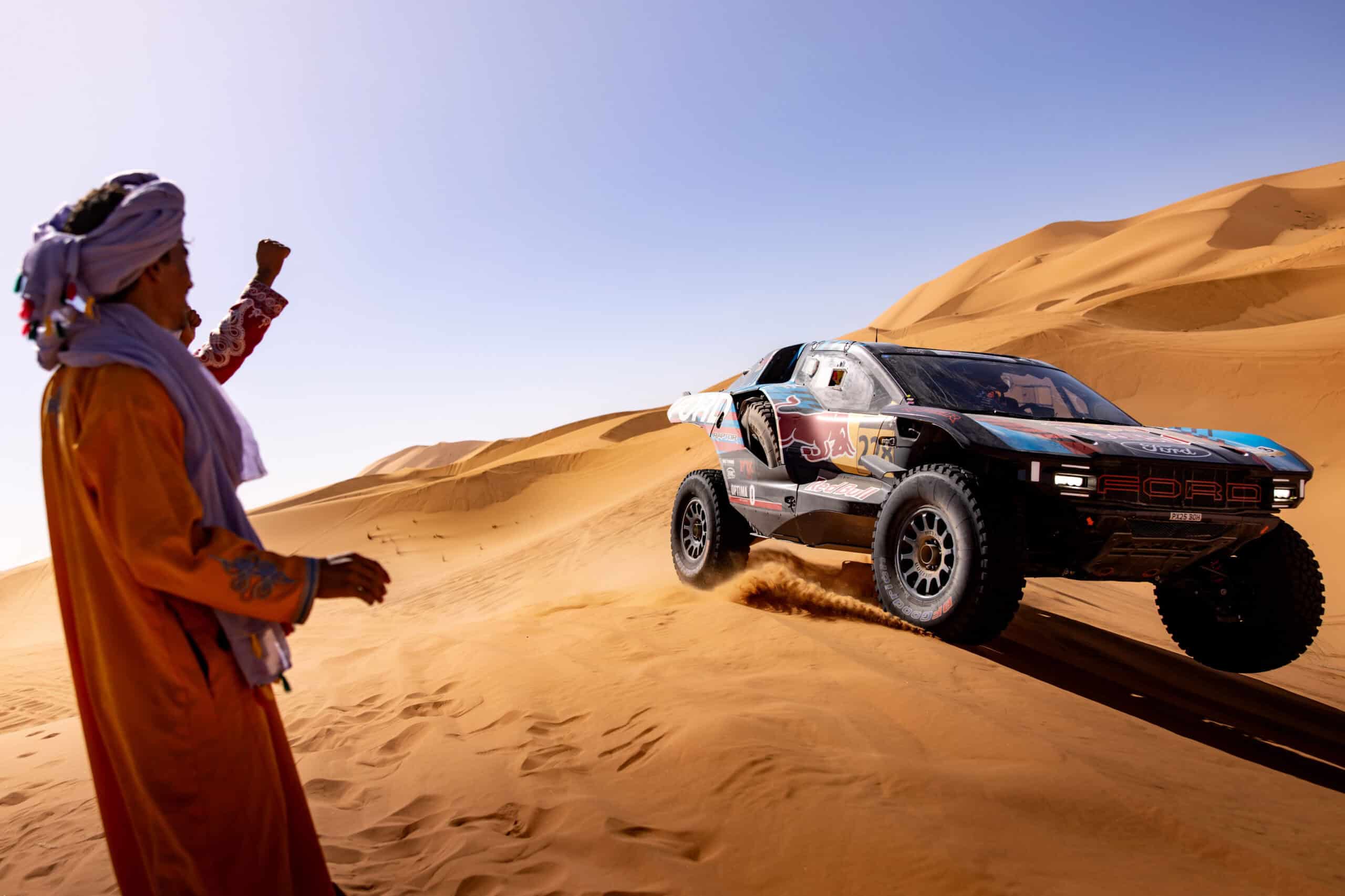
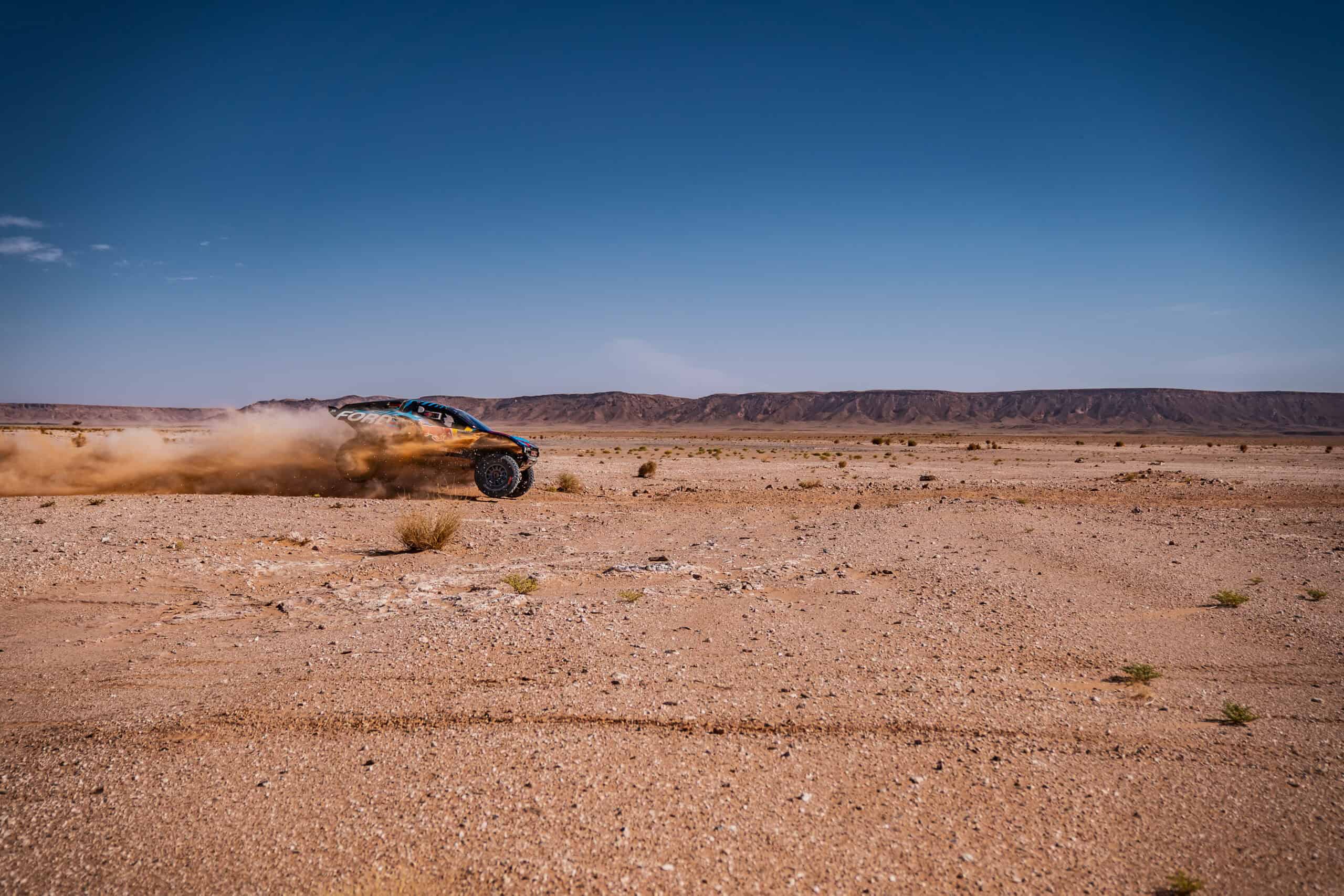
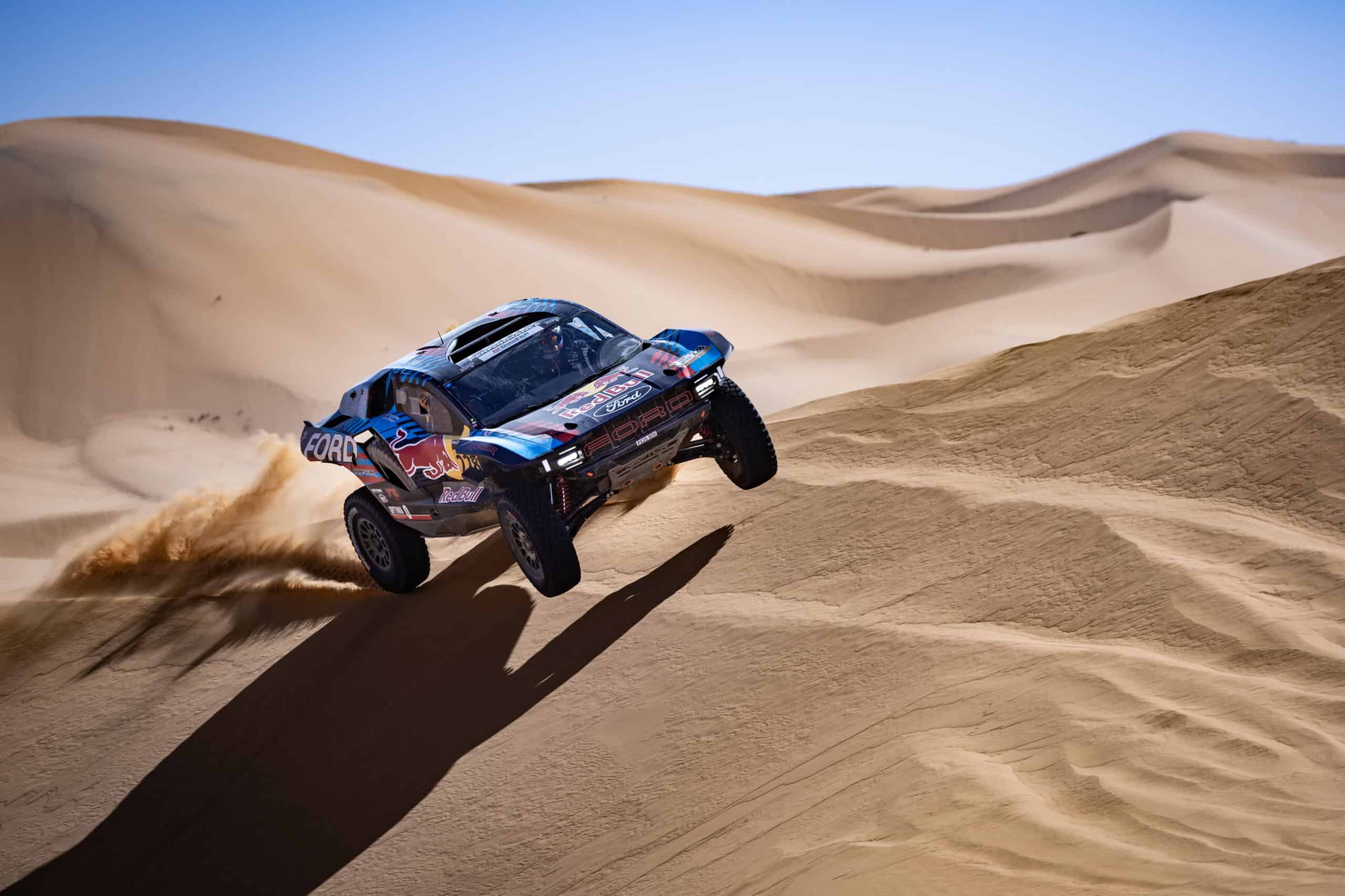
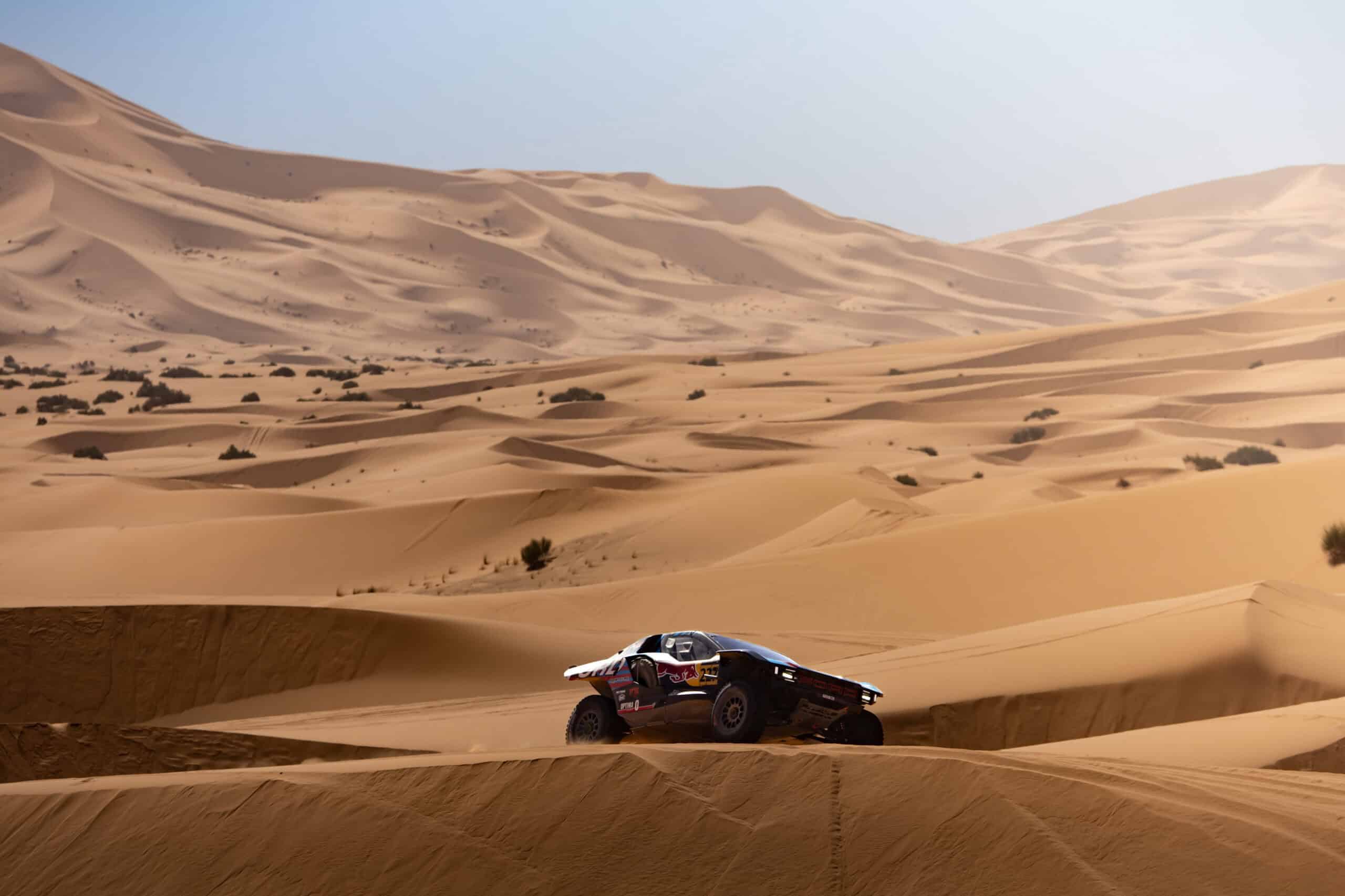
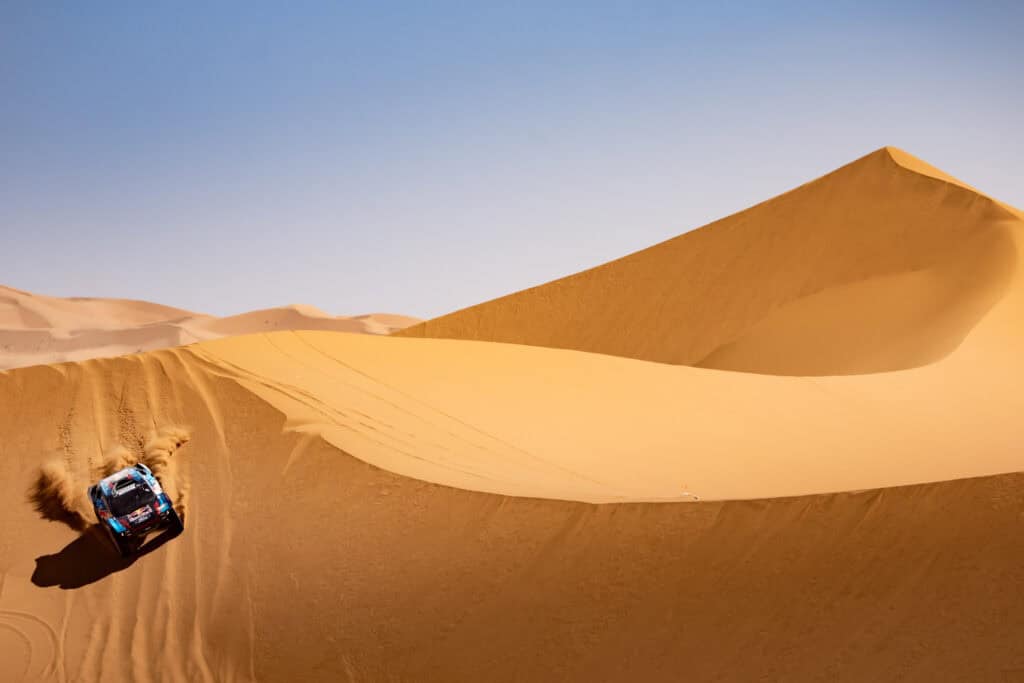
That adaptability is once again on display in an unnamed location outside Fez, Morocco. Sainz is gearing up for the Rallye do Maroc, a five-stage, roughly 1,500-mile route across sand, dunes, stones, rocks and gravel tracks.
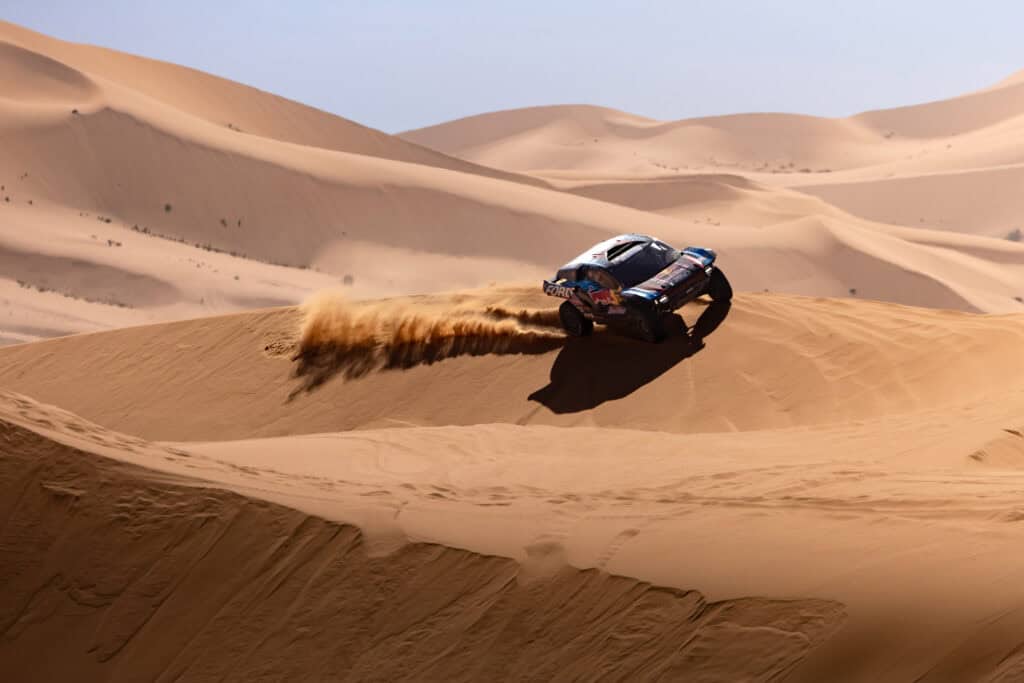
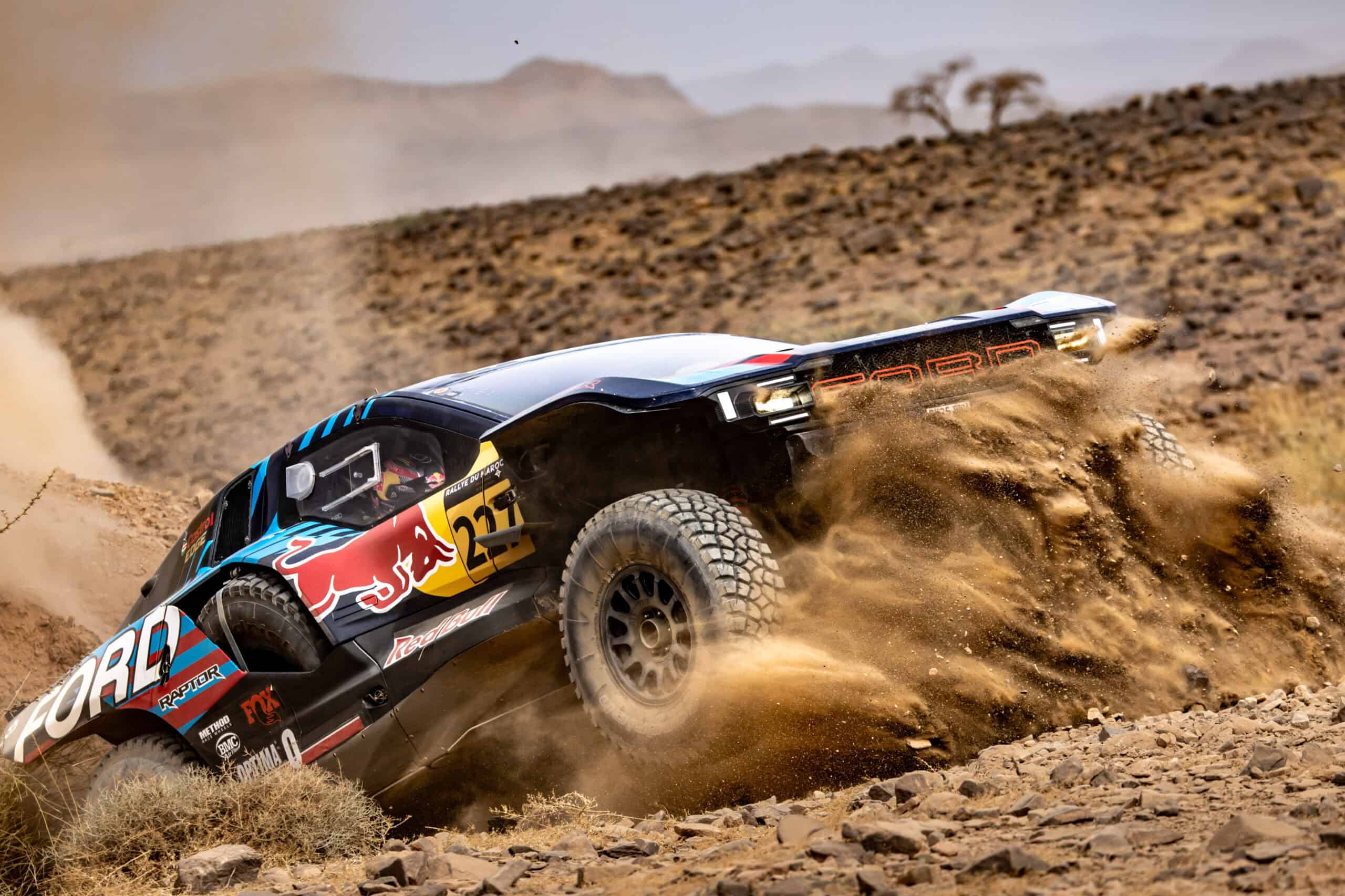
After joining Ford’s newly formed Ford Performance team in 2024, Sainz has taken on the role of lead driver and development spearhead for the Raptor T1+ truck, tasked with translating decades of experience into results for a brand re-entering the world’s toughest rally raid.

Now in his sixties, Sainz remains fiercely competitive in a discipline that demands not only speed but resilience, navigation precision, and physical endurance measured in days rather than minutes. In parallel, Sainz occupies a rare vantage point within motorsport culture itself. He is both a living link to rally’s analog past and a participant in its technologically advanced present, while also watching a new era unfold through his son, Carlos Sainz Jr., now competing in Formula 1 for Williams. Few athletes have had to reconcile legacy and immediacy so publicly, or so thoughtfully.

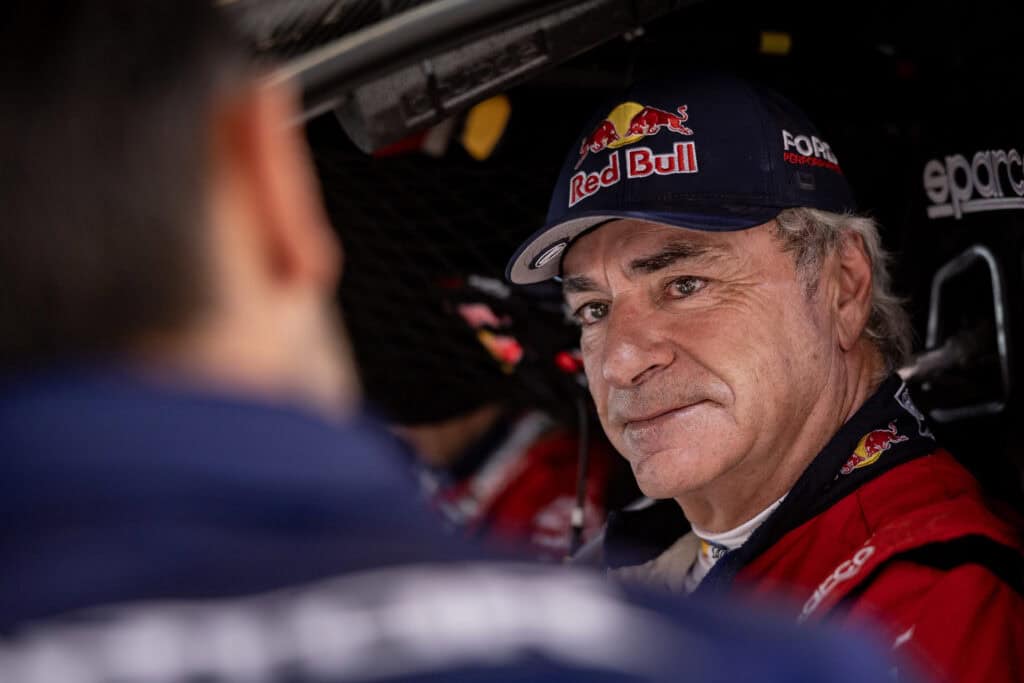
In between qualifying tests, Sainz sat down in the Ford bivouac, the temporary rally paddock that becomes home during competition, with Crown & Caliber’s Editor in Chief, Alexandra Cheney. In the conversation that follows, he reflects on time as both metric and philosophy, what continues to drive him decades into a storied career, and why discipline, imagination, and honesty with oneself matter as much now as they ever have.
Crown & Caliber: You’re a World Rally Champion and four-time Dakar Rally champion. Many call you Spain’s greatest ever off-road racer. In your decades of motorsport competition, what does time mean to you?
Carlos Sainz Sr.: Motorsport is alive. It’s all about time. The problem is your life. When I was young, things were going very quickly. Sometimes I didn’t really enjoy it. I was here one week, there the next. With my age now, I think I’ve learned how to enjoy more moments, how to enjoy different situations then before. The perspective of the time is different when you are 25 and when you are 60. That is the first reflection about time. Time in motorsport is everything, because you are measured by time.
C&C: And how does being measured by time affect you?
CSS: You can be quick or not, and it’s not depending on your DNA or your passport. This depends only on one thing, which is a watch and myself. I try to be honest with myself. I know I don’t have many years in front of me, but I try to enjoy every single minute.
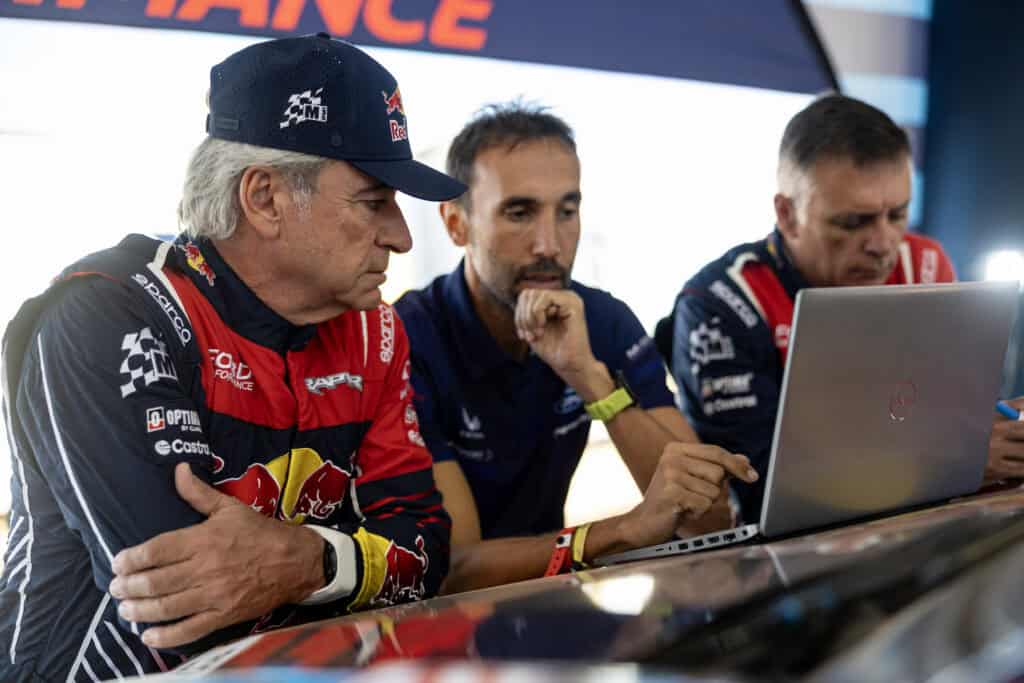
C&C: I was in your car yesterday for seven minutes, and I got out and I thought my body would never be the same. You’re 63, and you do this for hours, days, weeks.
CSS: If you are over 25 and you’ve been doing this for a long time, you don’t need to train as much every year. You need to train more than you ever have. People, when they say, “but you’ve got the experience,” the reality is, yes I have the experience, it helps me with the experiences, but I need to train harder to fight the young people. My body needs more preparation, because I am not so young. The only secret is, when you are going to be five hours jumping and hitting and racing, it’s to prepare yourself. If you don’t want to work at home, on vacation, on your days off and prepare yourself properly, it’s better to stop. That’s where you need to have that motivation when you are getting older. That motivation sometimes is hard, but I prefer to work very hard at home to avoid being unable to do the job during the rally.
C&C: When you’re in rally mode, how do you monitor time and make sure you’re hitting the marks?
CSS: When you are competing, it’s very easy, because the time is telling you when you have to be in Morocco. The time is telling you when the Morocco race is finished, how you have performed. When is Dakar starting? So you know if you have some work to do, you have a certain time in life.
C&C: What about in life?
CSS: In life, I don’t like to waste my time, but in certain moments I say, “okay, now I take it easy.” To take a small break is good, but I know after one day or whatever, I don’t want to rest anymore. I want to do something. I don’t like the feeling of doing nothing.
C&C: What does it take to be the very best at what you do?
CSS: I think to be one of the best, you need to have the talent. After that is work. It is dedication, it is attitude, it is discipline, it is attention to the small detail. It is basically work, hard work. There is no compromise.
C&C: Even with no compromise, there are upsets. Losses. Slow times. What then?
CSS: I like to stop a little bit. I like to think a little bit. I like to analyze why I failed or what’s happened. And then I need to look in the mirror and ask “what do you want to do? You want to try again, and how much passion, how much wish do you have to try again? Or is it enough? You must be an honest person with your answer.
C&C: Is there a limit?
CSS: Many people, as you can imagine, ask me, when will you retire? Why are you doing this? I think I earned the possibility, the respect, to go as far as I can. I think the people should respect me if I want to keep driving along, that’s my choice.
C&C: Have you given that advice to your son, Carlos Sainz (who is racing for Williams in the 2026 F1 season)?
CSS: I try to help him with some tips. Sometimes, because it’s father and son, the advice he receives from somebody else, he listens. He receives advice from his dad, and sometimes it’s difficult to get it. Sometimes I say, “okay, now I’m talking with the heart, not as a manager or whatever, and he listens.”
C&C: At this point, not only is your name known, but your legacy is known as well. What does that feel like?
CSS: I’m happy if people say, “okay, that was a nice guy.” That is the most important thing. After what I have achieved, some people can have a different perception. Okay, I have done certain things in a way, with my style. Maybe I have been the best or the first one to do certain things. But this, I leave it up for journalists, for somebody to analyze.
C&C: You’ve done so much for motorsports, your son is now doing so much for motorsports as a category. For a very long time, America didn’t care about motorsports on the scope and scale of today. Now Formula 1 is the world’s most popular annual racing series; motorsports, therefore, as a whole, have a different level of interest and attention. How does that make you feel?
CSS: I am proud of what I have achieved. I say thanks to God, to my life, because all what I am and all what I have achieved I dreamt. I try to imagine things. My imagination is big. When I was very young, I did not even have my driving license, and I was already dreaming. To achieve what you dream, it is one of the things that makes me tick. It’s what I fight for, dreaming is very healthy.
This interview has been edited for length and clarity.