The ice is glassy, the car is sideways, and I have my foot flat on the accelerator. For a second, nothing bad happens. Then the BMW i3 quietly sorts itself out, feeds power back in, and fires me down the straightaway like nothing occurred.
That moment — on a frozen lake inside the Arctic Circle — is the whole point of what BMW is trying to do with this car.
Driving most modern cars on ice is a frustrating experience. Today’s stability control systems are incredibly good at keeping a car from spiraling into a ditch or clouting the curb. But, in exchange for extremely predictable behavior in low-grip conditions, they can be so controlling that a driver can feel more passenger than pilot.
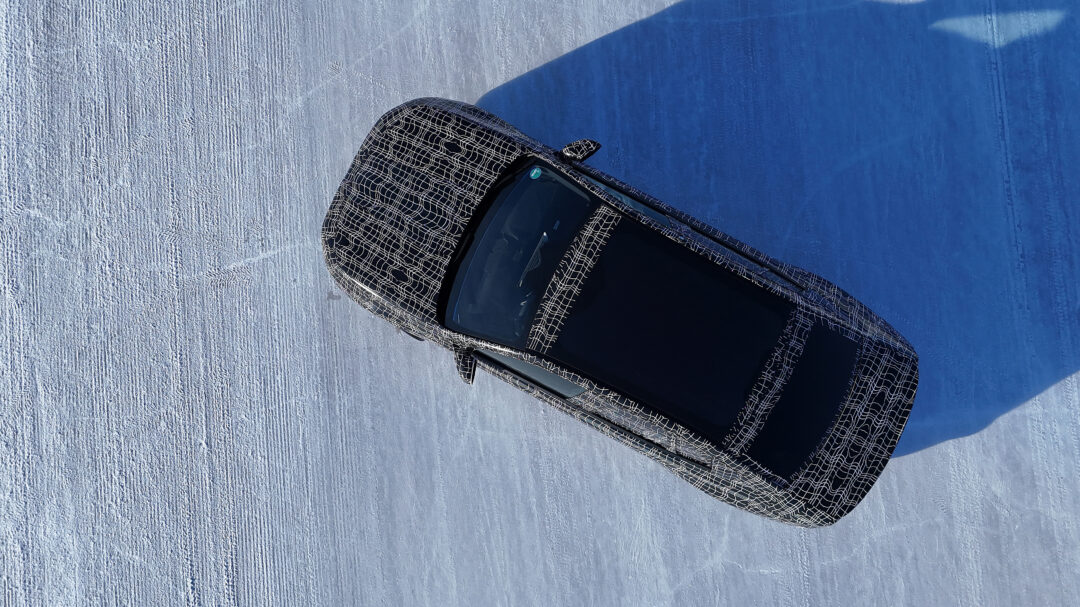
BMW’s upcoming i3 is the first sedan built on BMW’s new platform, Neue Klasse — “New Class” if your Deutsch ist nicht so gut — and the first all-electric version of the classic 3 Series. After a day spent sliding a pre-production model around a frozen Swedish test track, I can say BMW’s engineers have delivered something special. It starts on the ice.
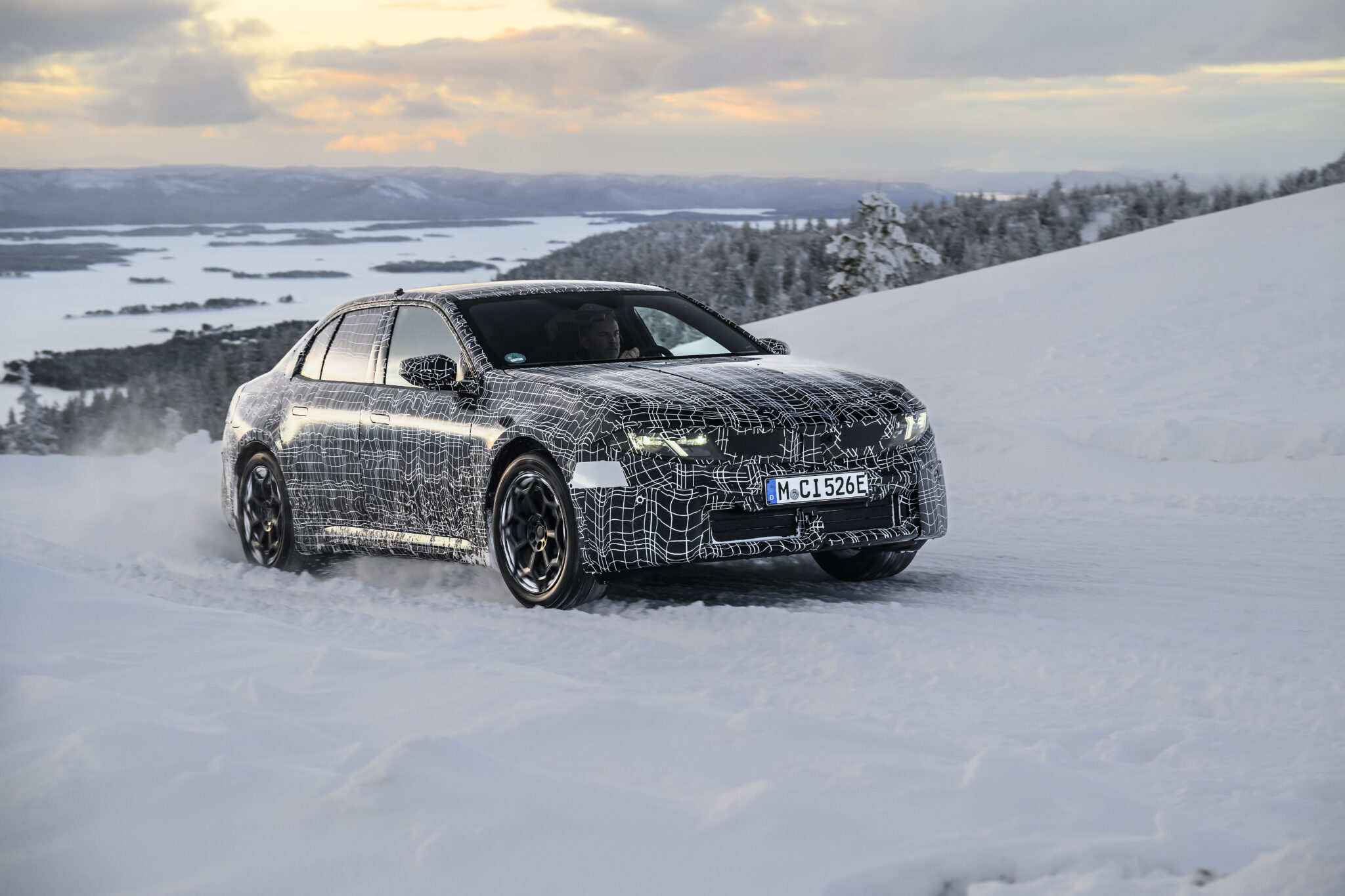
I pitched the car into a corner too fast for the conditions and kept my foot flat. Without any drama, the i3 reduced the power and applied brakes to the inside wheels to help the car turn. It reduced its own speed to something appropriate for the corner and, when I started to unwind the wheel again on the other side of the turn, the car smoothly fed the power back on until I was properly hurtling forward again. Cutting power and braking the inside wheels are not new concepts in the world of stability control, but they’re executed here far more smoothly than anything I’ve experienced before. Instead of the car feeling like it’s punishing the driver for overexuberance, it gently reins things in and helps the car follow the line.
If that’s more help than needed, it takes just a few buttons to turn things off. Systems disabled, I was free to do whatever I liked, kicking the car sideways and sliding through the corners in the sorts of epic, icy drifts that can literally go on for miles.
The same collaborative spirit carries over to the highway. The driver assistance suite, things like adaptive cruise control and active lane-centering, lets the car steer itself even without hands on the wheel. Bonus: it doesn’t fight back when someone wants to take over. Just reach up and grab the wheel, then let go again whenever. It treats the driver like a co-pilot rather than a liability. It can even automatically apply the turn signal on the highway, assuming the blind spot gets checked first. The jokes about automatic blinkers in a BMW write themselves, but the execution is genuinely seamless.
The i3 also has an integrated AI assistant that can not only help find a new favorite burrito joint but recommend some fun roads to get there and dial up the right drive mode along the way. The whole car, in other words, is oriented around making a driver want to drive it.
That’s the new i3 in practice. Here’s what’s underneath it:
The Neue Klasse platform comes with a wholly new suite of electronics, and BMW calls the traction and stability piece of that the Heart of Joy. It’s a somewhat overzealous label for a system that seamlessly manages grip when there’s too little of it for the i3’s 463-horsepower, dual-motor drivetrain, which is exactly what it was doing when I was sliding around Arjeplog, Sweden. A place just shy of the Arctic Circle, it’s where BMW and many other luxury brands execute their winter development testing.

It was impressively fun. Doubly impressive because this isn’t meant to be a pure performance car. There is one coming soon, though. BMW’s high-performance M division is cooking up its own take on this tech and platform, one with four motors and twice the horsepower. But as a first step, the i3 makes a strong case that electric doesn’t have to mean obedient.
The BMW i3 enters production in late summer and should be at dealers well before the end of the year. BMW hasn’t confirmed pricing at this time.