For decades, buying watches outside of traditional retail channels felt a little like the Wild West. Residents or visitors to New York City might be familiar with dealers on 47th Street, an array of storefronts filled with glittering jewelry and watches of sometimes questionable origin. eBay, prior to the introduction of its evaluation and authentication practices, was a minefield, with buyers zooming in on listing images, requesting more photos, and hoping the watch actually arrived. Even auctions could feel uncertain before the major houses extended their expertise to rare timepieces.
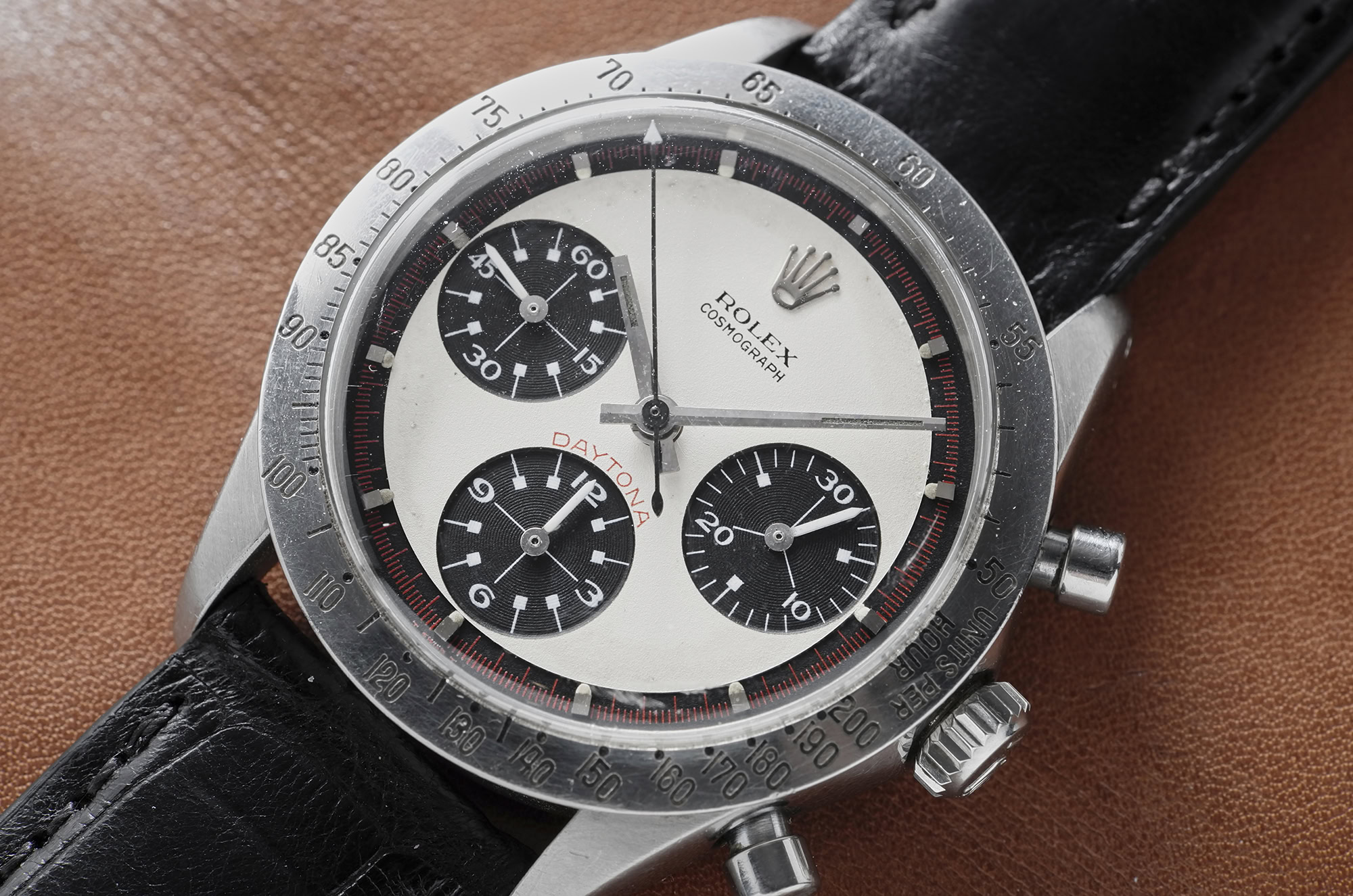
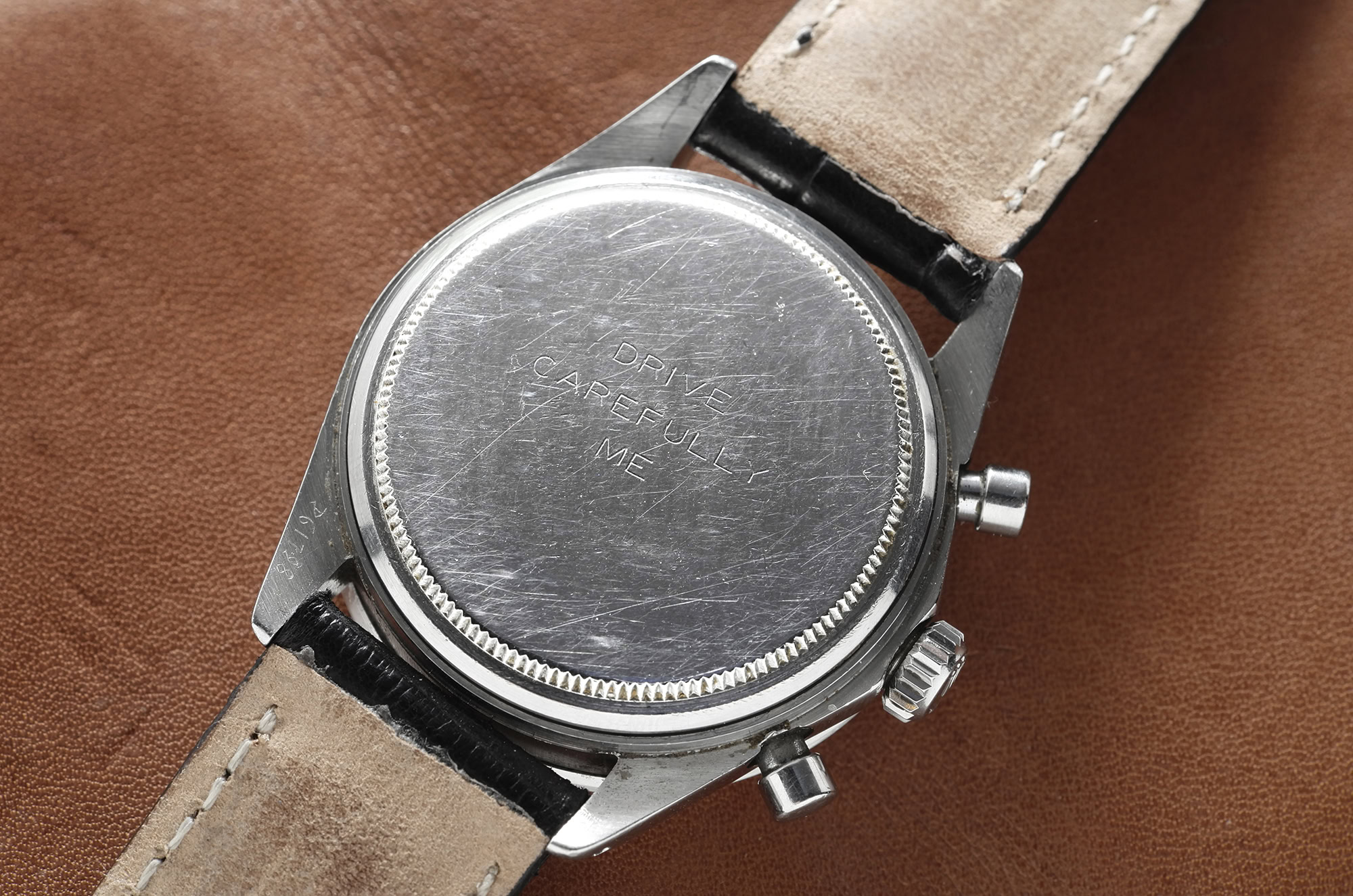
That changed in 2017, when the Paul Newman Daytona sold for more than $17 million. The record-breaking result propelled watch auctions into the mainstream and made auction results a defining metric for market health and secondary pricing. Today, sales at Sotheby’s, Phillips, and Christie’s anchor the horological calendar.

But on the periphery of the eye-watering results lies another category of auction rarely discussed in watch media or among collectors: sales of seized and forfeited assets. While the concept may sound bureaucratic, these auctions generate millions of dollars annually for law enforcement agencies through the sale of cars, art, real estate, currency, and watches.
Each year, assets are seized during criminal investigations and later sold through auctions managed by the U.S. Marshals Service or other agencies, often via contracted firms like Gaston & Sheehan, an auctioneer and appraisal company based outside Austin, Texas. According to Bloomberg, the U.S. Marshals sold more than $80.6 million in seized assets in 2022 alone, $5.6 million of which came from watches.
In the context of the global watch auction market, that figure may seem modest. But given the lack of prestige and visibility surrounding these sales, it raises a tantalizing question: are bargains hiding in plain sight?
How seized property auctions differ from traditional auctions
The worlds of dubious dealings and luxury goods are certainly no strangers to one another, and forfeiture of luxury goods is fairly commonplace within both the criminal and civil legal systems. Following the historic exposure of and subsequent downfall of disgraced financier Bernie Madoff, many of his personal assets were auctioned off in furtherance of the recovery efforts for his victims. More recently, Rudy Giuliani was forced to turn over a sizable collection of watches and a Mercedes in order to begin payment of a $148 million judgment against him in a defamation suit in Georgia.
Seized property auctions function differently from traditional watch auctions. “While some seized property auctions still use a typical auctioneer, more departments are switching to online timed sales,” said Tyler St. Gelais, head of wristwatches at Jones & Horan, a family-run auction house in New Hampshire that specializes in watch auctions. He said, “some government agencies, like the U.S. Marshals Service, actually farm this out to traditional auction houses to handle the logistics.”
Crucially, all property is sold as-is, with no guarantees of authenticity, condition, or provenance. “While this is technically true for 99% of auction houses, the risk is higher here,” said St. Gelais, adding, “you often have untrained cataloguers listing material as legitimate regardless of its actual status. While some sales have a level of authentication, I know several people who purchased fake or altered watches and were given no recourse when they tried to address it.”
Buyer be(a)ware
Experience in one auction category can create false confidence in another. “I would go to Manheim Auctions to buy cars. I found out about police and federal government auctions later on, which were usually DEA seizures,” said Reece, an auction customer from Denver, CO with a background in auto mechanics who spoke to Crown & Caliber on the basis of partial anonymity fearing reprisal. “You can get nice cars for a bargain if you know what you’re looking for, though sometimes you can buy a ‘hot’ car if you’re not careful,” he said.

“Sometimes it can get hairy as the car might have been stolen or illegally imported and, though the cops sold it to you, it might still be ‘hot’ and you can get arrested later on for possession of stolen property. This same risk applies with watches and jewelry,” he continued.
Reece later bid on a Rolex at a seized property auction and discovered it was a counterfeit only after taking it to a jewelry store for appraisal. “A ‘super clone,’ I think,” he said. “The auctioneers offer zero guarantees, even when selling on behalf of law enforcement.”
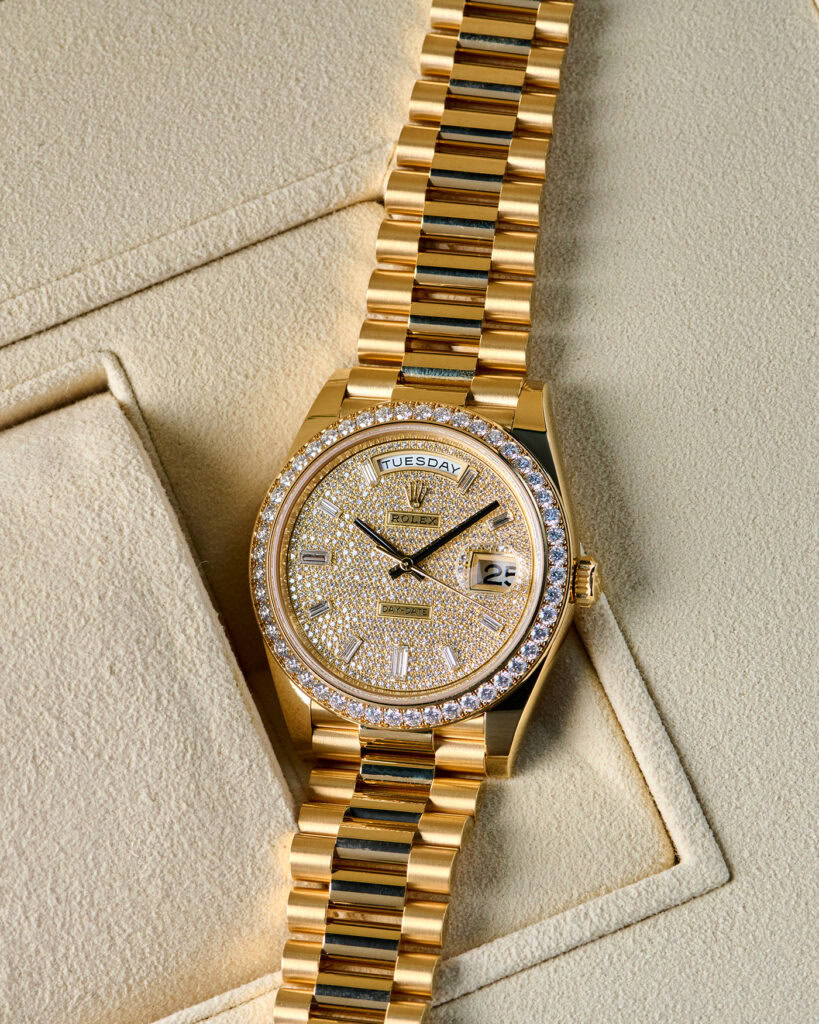
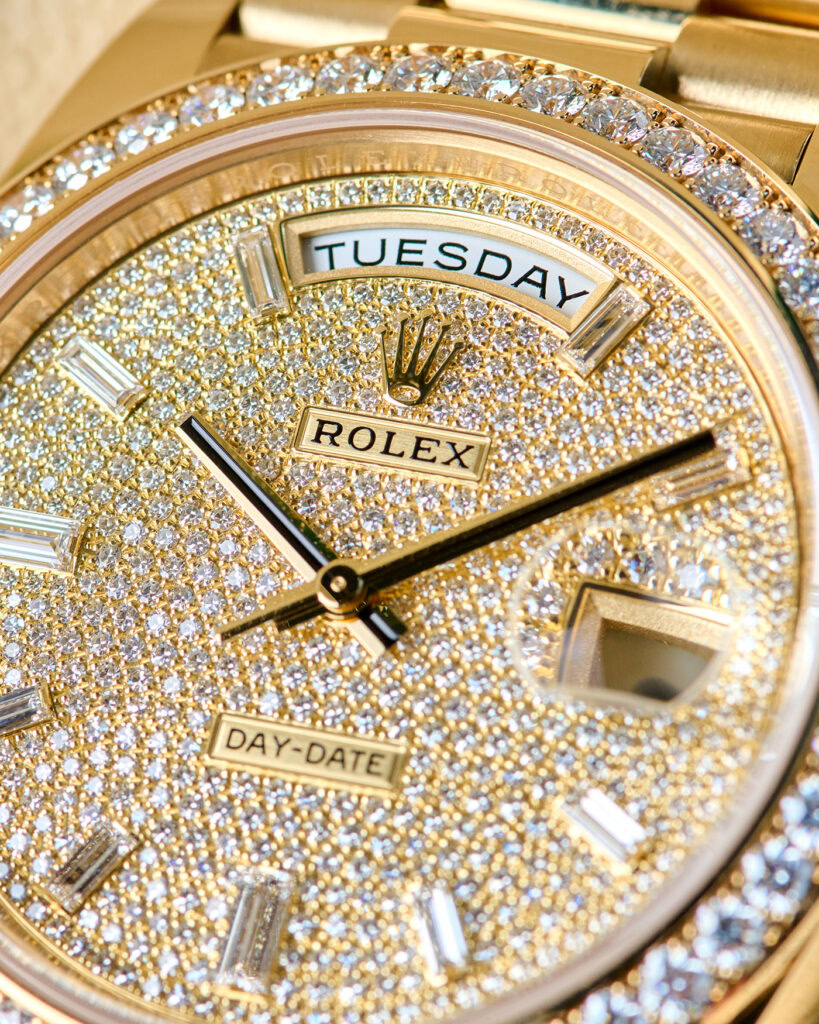
Sometimes buyers do get lucky. “I had a client purchase a particularly gaudy, “iced-out” Rolex Day-Date from a seized property sale that even had a marijuana leaf engraved on the caseback,” said St. Gelais. “We managed to source a factory dial and bezel to remove the aftermarket diamonds, though he decided to keep the engraving. It ended up being a good deal for him, but that isn’t always the case.”
Ultimately, the risk is the buyer’s to assume. “Unless they are looking for furniture or real estate, I would advise clients against seized property auctions, unless they are an expert,” said St. Gelais. “With so many dedicated, transparent platforms for purchasing watches, the risk involved is rarely worth it.”
He also cautioned against assuming bargains are guaranteed. “Professional dealers and scrap buyers make sure anything truly valuable doesn’t go cheap,” he said. “If an expensive-looking item isn’t getting attention, that’s a red flag.”
St. Gelais continued, “I view them as a necessity, but they function more like a general estate auction. Because they have no choice in their inventory, they take everything – you’ll see a Rolex listed right alongside boxes of cat litter.”
Gaston & Sheehan confirmed they utilize the services of third party experts to evaluate the authenticity of the watches that are sold on behalf of the U.S. Marshals. For seasoned buyers unbothered by provenance and comfortable with risk, there may be opportunities. But no matter the venue, the same principle applies: buyer beware.
Troy Barmore contributed to this story.