Signet rings occupy a rare place in material history, functioning not as ornament but as proof of identity, authority, and succession. From their earliest appearances in Mesopotamia around 3500 B.C. and in Ancient Egypt, they functioned as tools of verification, pressed into wax or clay to seal decrees, transactions, and lineage. Their symbolism extended well beyond the living. During the Roman Republic, after Pompey was killed in Egypt, his severed head and signet ring were sent to Julius Caesar as proof of death. The head confirmed Pompey’s physical end; the ring confirmed something more consequential. Political authority had changed hands.
While certainly dramatic, that dual role, practical and symbolic, is precisely why the signet ring has endured. In a luxury landscape increasingly driven by visibility and trend cycles, the signet ring can broadcast status, encode meaning and authenticate identity simultaneously. It can be quiet or loud, not just signaling where one comes from, but telling the story of who one is, defined from within rather than dictated by society.
Today, signet rings remain part of royal tradition and inherited heraldry, particularly among families with established crests and coats of arms. Yet their legal function has largely disappeared. Even the Fisherman’s Ring, presented to each new pope as a symbol of his role as successor to St. Peter, the “fisherman apostle,” now exists purely in ceremonial form. Its use as a sealing device ended in the 19th century when stamps replaced wax seals. The authority remains, but the act itself has shifted from function to expression.
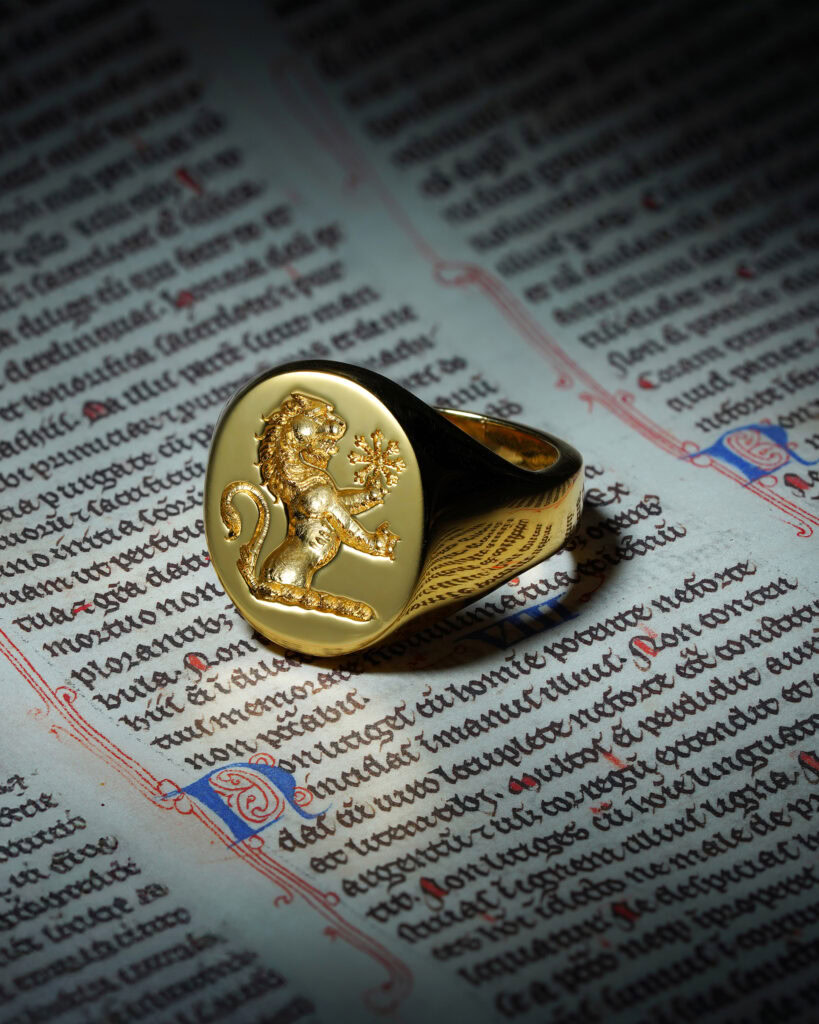
In many ways, the story of the signet ring mirrors a wider shift in luxury as well. The modern client isn’t reviving tradition, they’re rewriting it. Nowhere is that shift more visible than in the commissioning process itself, where clients arrive not with family crests, but with their own stories. No longer only defined by inherited crests, today’s signet rings have become vessels of self-expression.
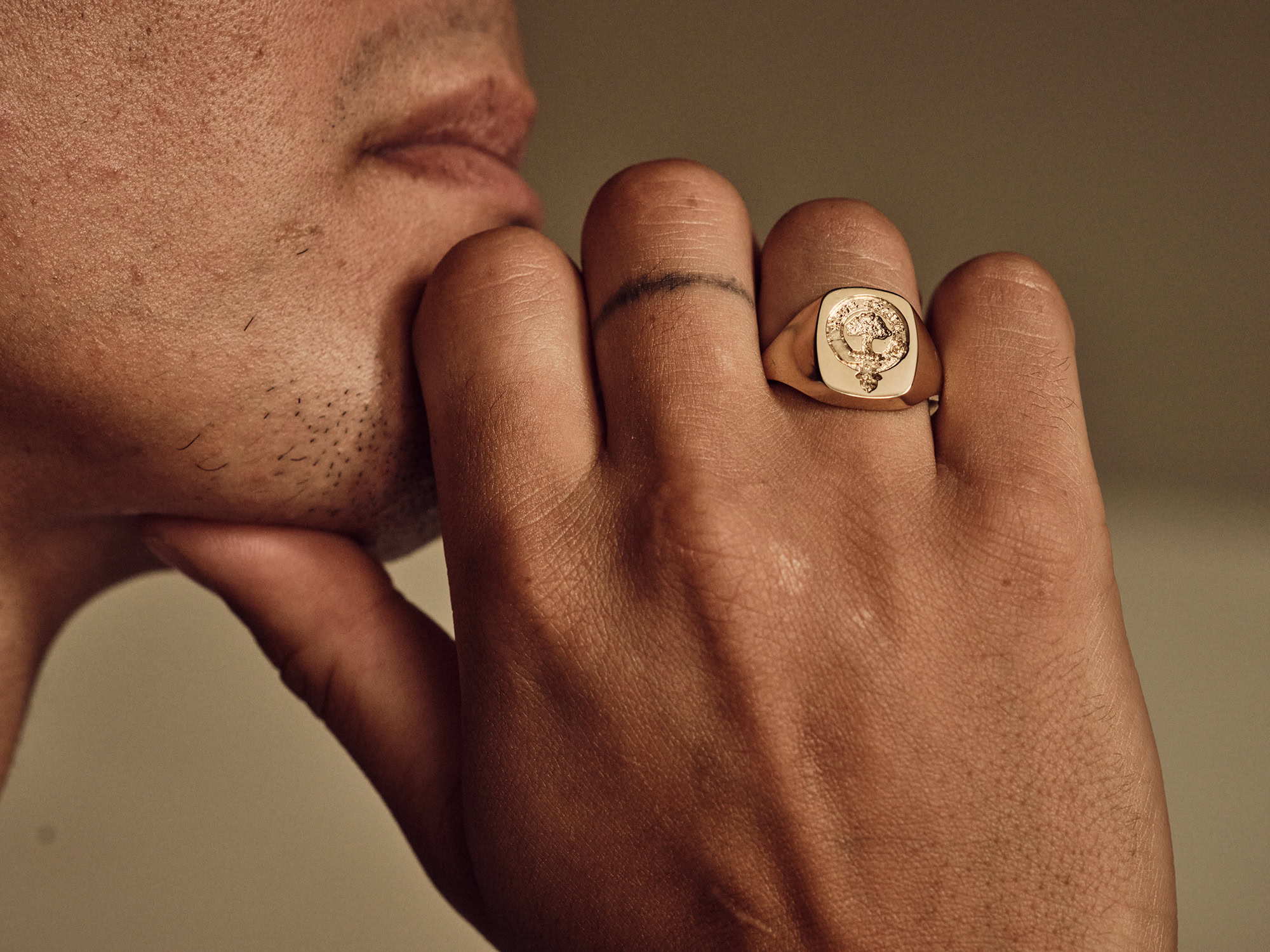
At Rebus, a London-based jeweler specializing in hand-engraved signet rings, pendants, and cufflinks, the process begins with a conversation (and occasionally a coat of arms).
“Ten or fifteen years ago, commissions were more likely to reference family crests, traditional initials or established symbols. Today, clients are far more involved in the creative process and often arrive with a story rather than a fixed design.” said Rachel Constantine, head of U.S. market sales at Rebus. “The aesthetic has evolved as well, moving away from highly decorative engraving toward cleaner, more considered compositions that feel timeless rather than overtly traditional.”
Material choices are shifting in parallel. Rising gold prices have led many clients toward 9 karat gold and silver, not as compromises but as deliberate decisions that prioritize engraving and craftsmanship over intrinsic material value. What ultimately defines these pieces is not weight, but intention and execution.
“With a hand-engraved message or symbol, an object can be transformed from the ordinary into the extraordinary, giving it a life and meaning of its own,” said Emmet Smith, founder of Rebus. “And in time, the item will acquire its own personality. It will become a talisman — precious and cherished.”

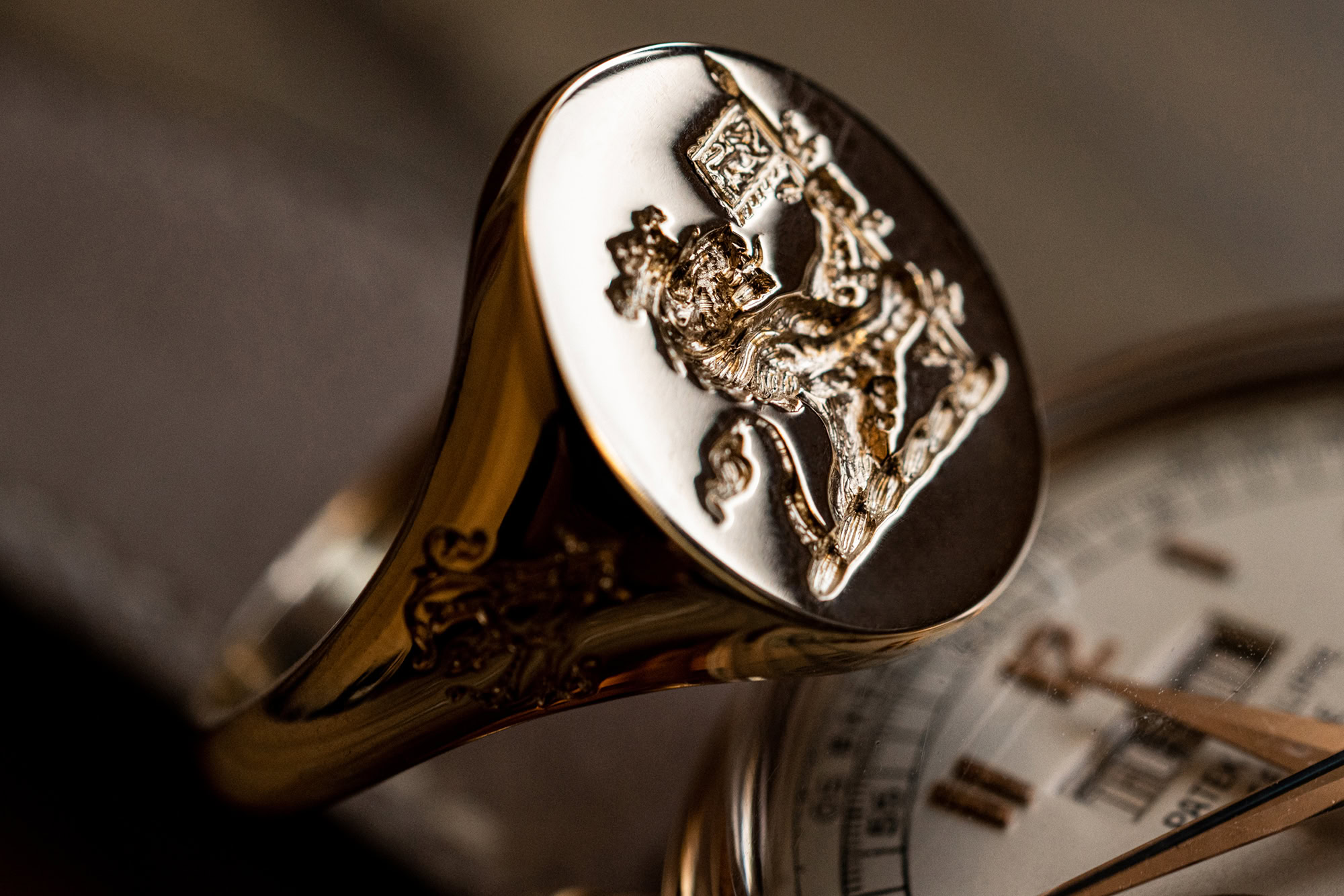
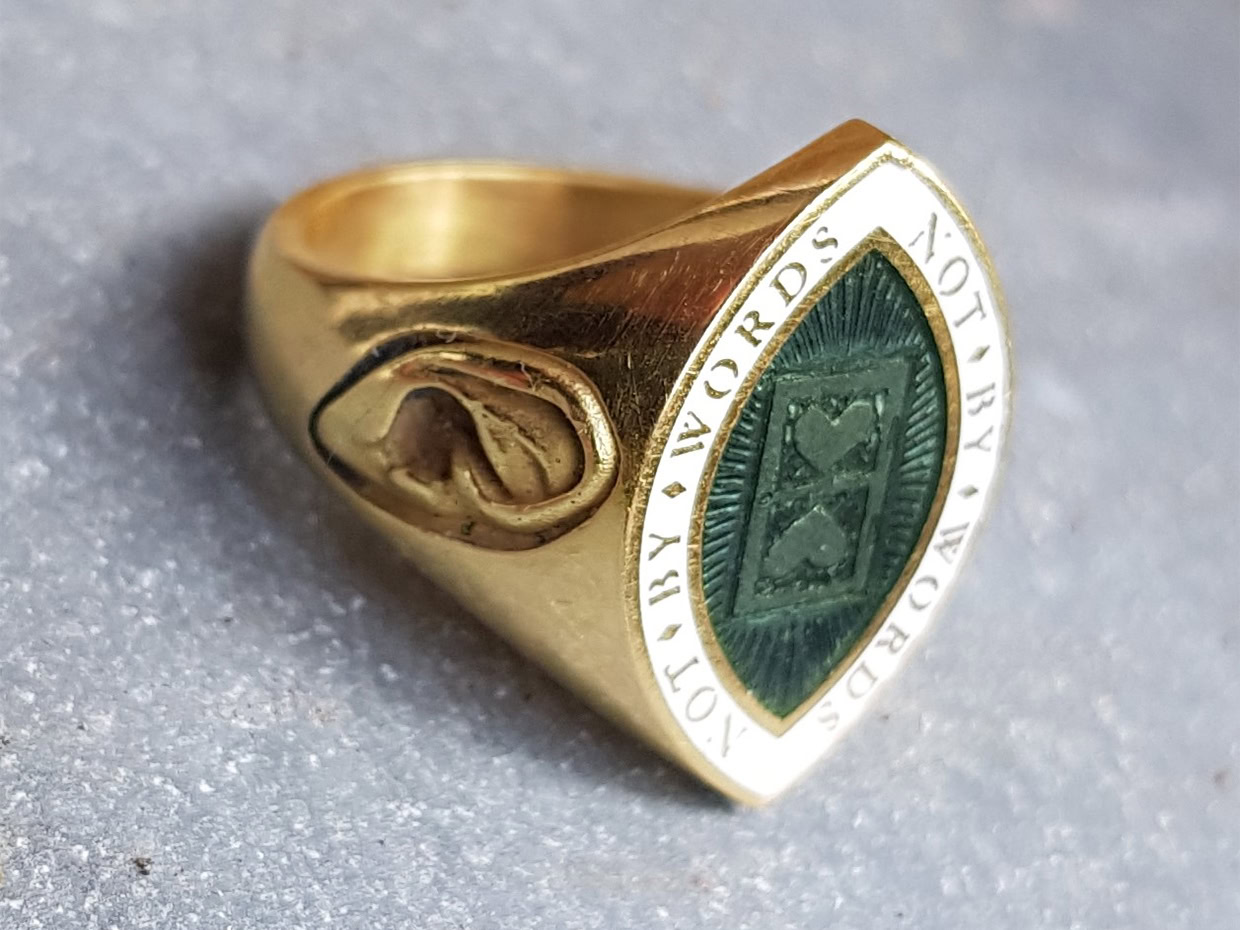
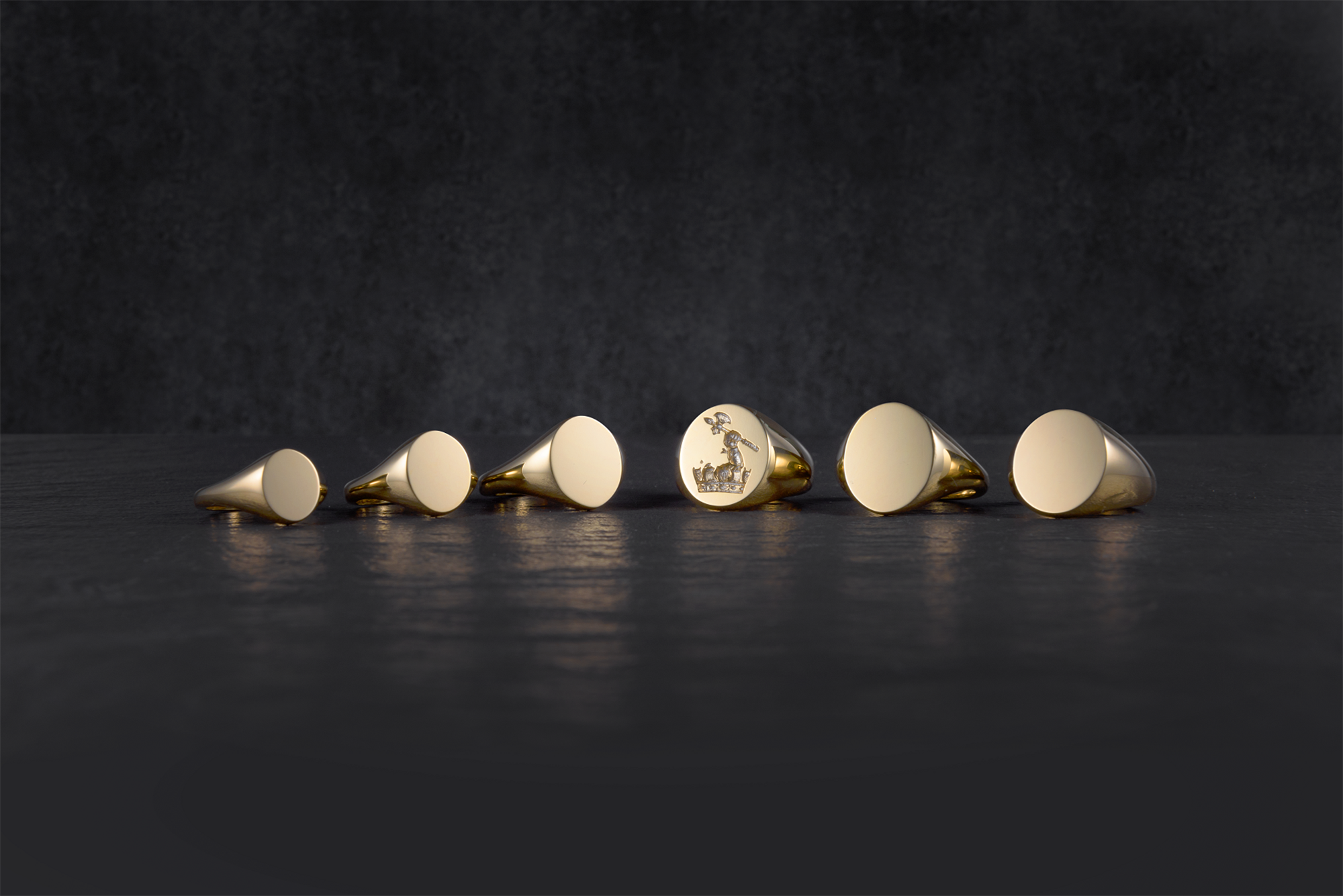
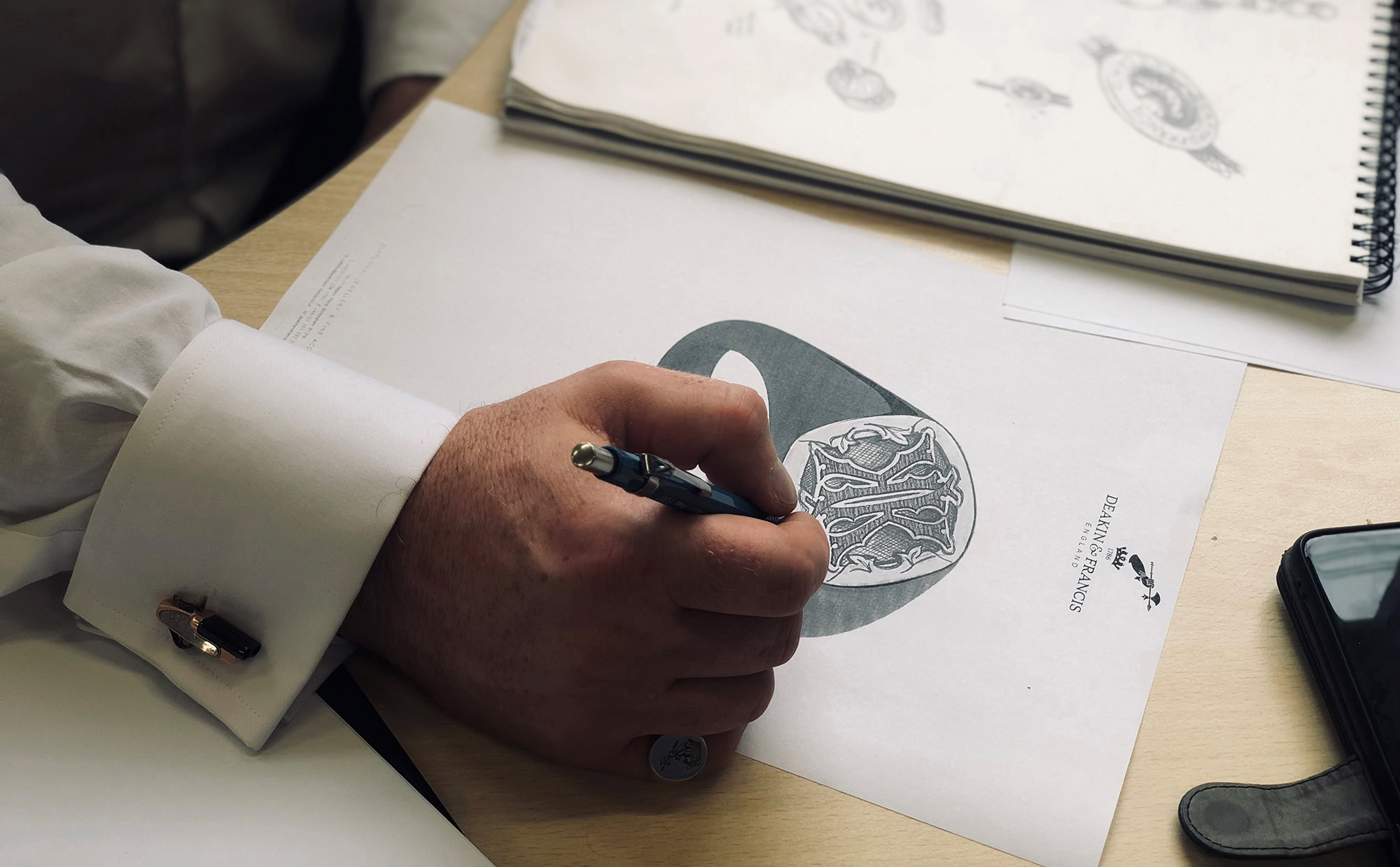
At Deakin & Francis, established in 1786 and widely regarded as England’s oldest family-owned jeweler, the signet ring continues to function as an expression of identity. Each ring is handmade at the company’s Birmingham factory using traditional goldsmithing techniques refined over more than a century. “This speaks to the enduring nature of the design and the importance of traditional craftsmanship,” said Henry Deakin, managing director and seventh-generation leader of the firm.
While the classic signet form remains intact, the relationship between maker and wearer has evolved. “As the manufacturer of our rings, we now offer customers the opportunity to visit our factory and take part in the making process themselves,” says Deakin. “This adds an even more personal layer to the piece, allowing customers to connect not just with the finished ring, but with its creation — reinforcing the idea of the signet ring as something deeply individual and meaningful.”
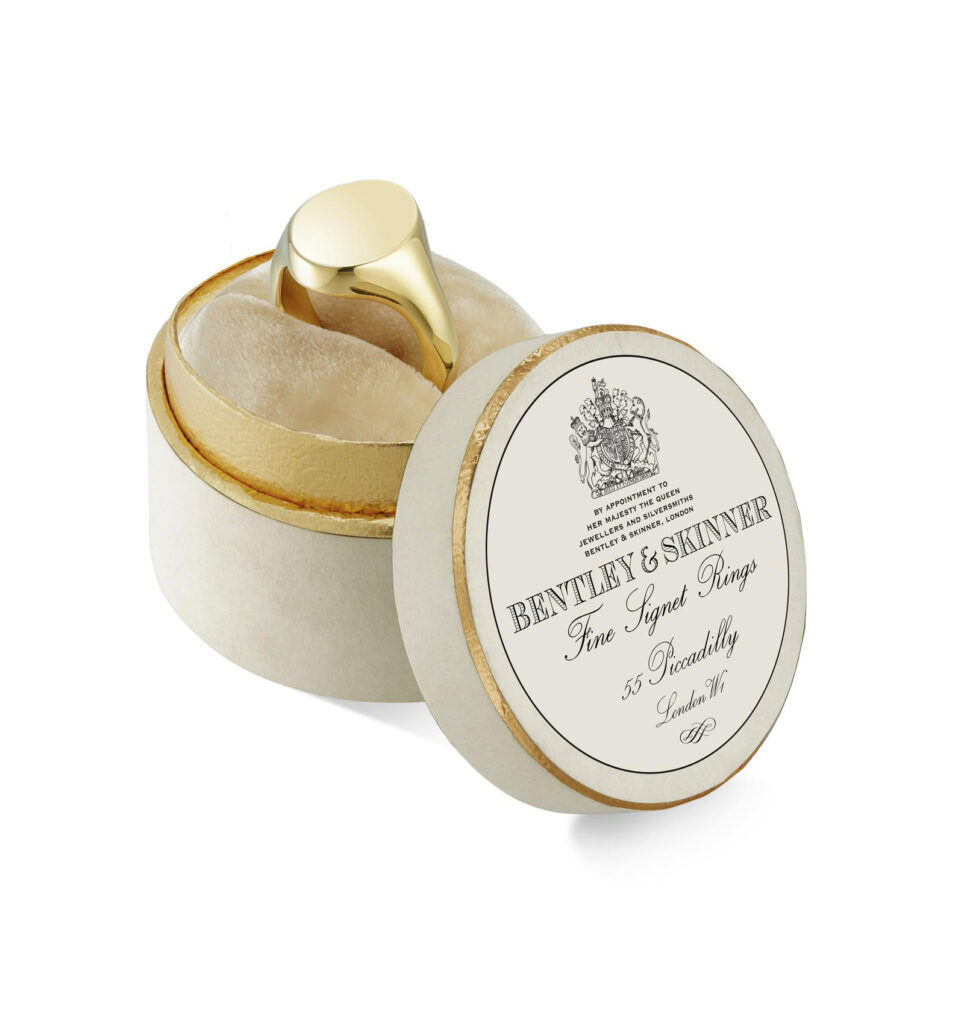
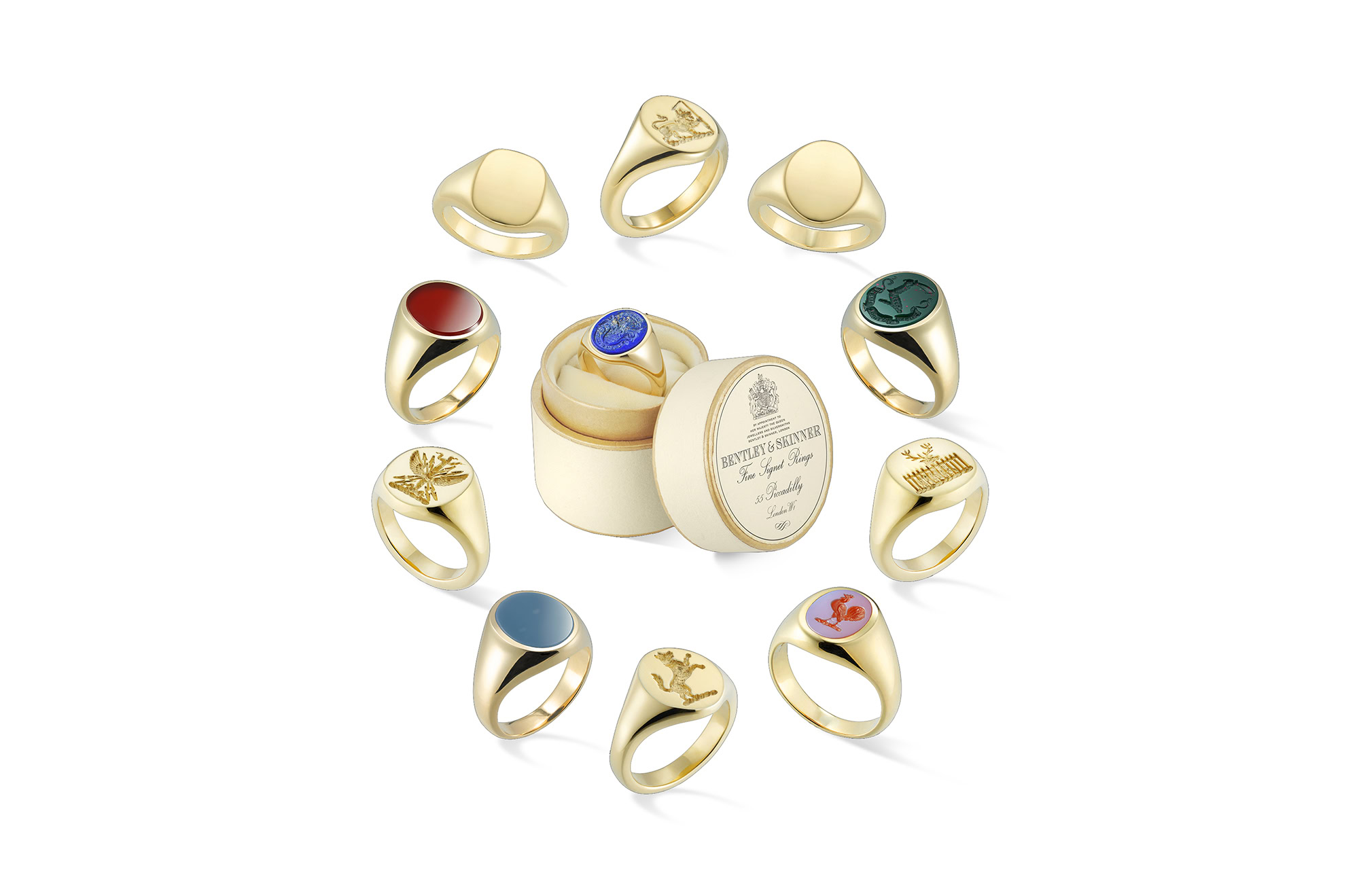
Like Rebus and Deakin & Francis, Bentley & Skinner goldsmiths and jewelers by Royal Appointment to His Majesty The King, have observed a decisive shift in how clients approach commissioning.

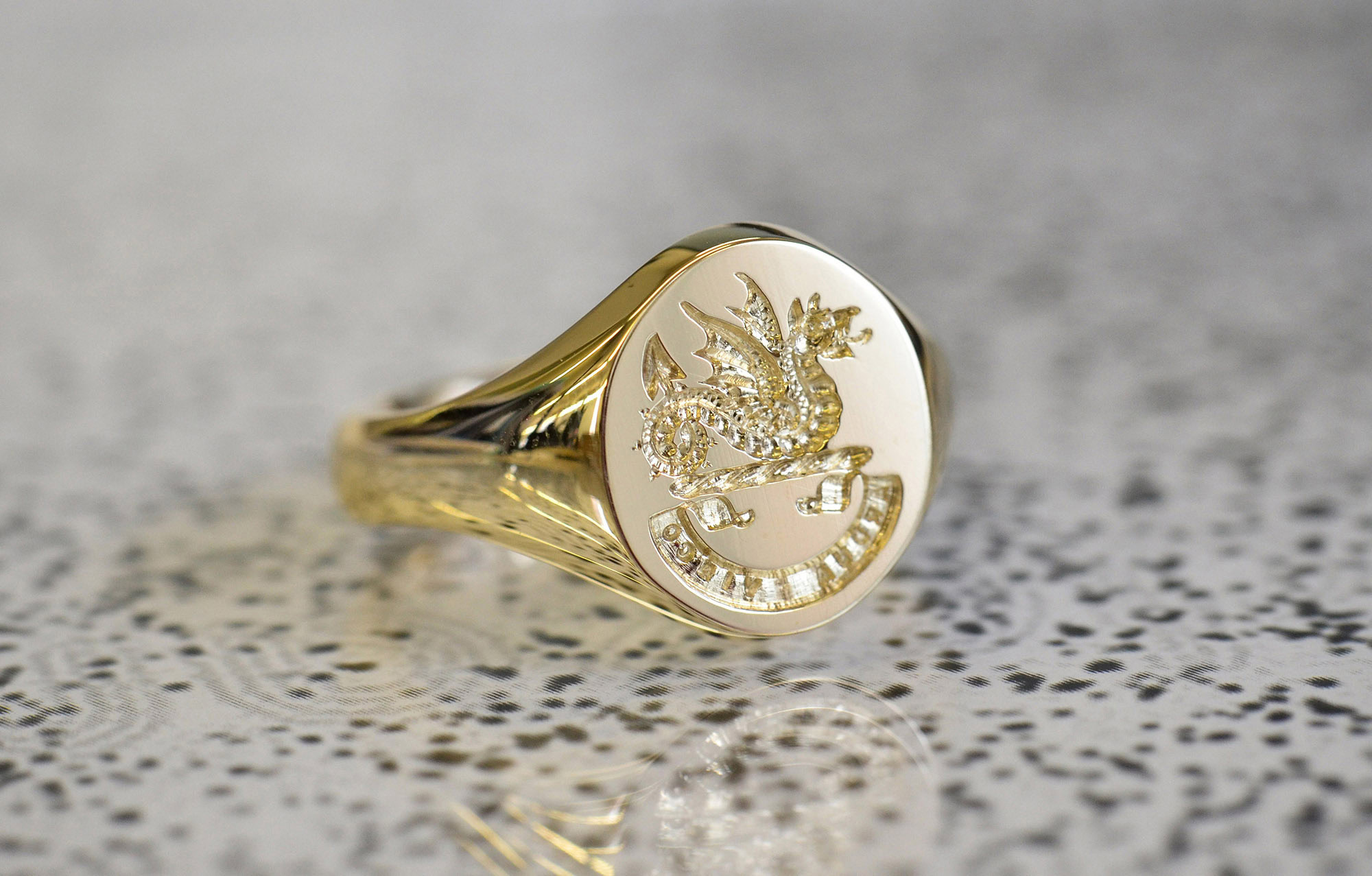
“It’s become much more about meaning and personal storytelling. Rather than copying the past, they’re reinterpreting it, whether that’s honoring family history or choosing symbols, initials or motifs that feel personal to them,” said Ilias Kapsalis, general manager of Bentley & Skinner. The house’s tradition extends back to 1881 with the founding of Skinner & Co, which later merged with Bentley & Co in 1998 under the name it bears today.
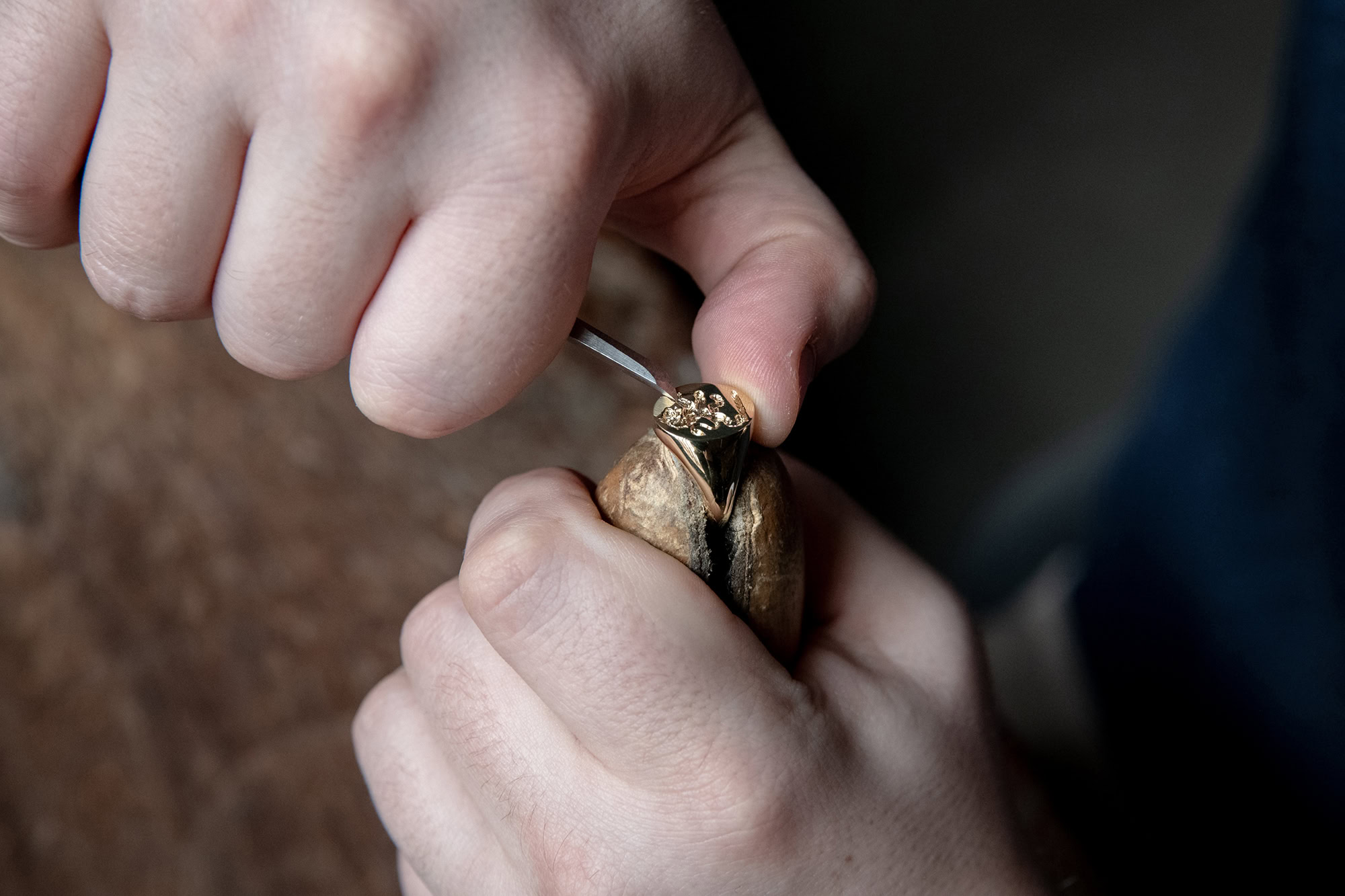
In an era shaped by shifting tastes, evolving perceptions of the signet ring and the rise of machine precision, Bentley & Skinner remains committed to handcraft. “Our signet rings are stamped and hand forged rather than the more common practice of casting the metal into shape. Each ring is then hand-finished in our workshop, where details are refined slowly and deliberately,” said Kapsalis.
Across these three houses, a clear picture emerges: today’s signet ring is not about nostalgia, but enduring self-expression. These rings function as commissioned markers of identity, representing either inherited lineage or lineage still in the making.
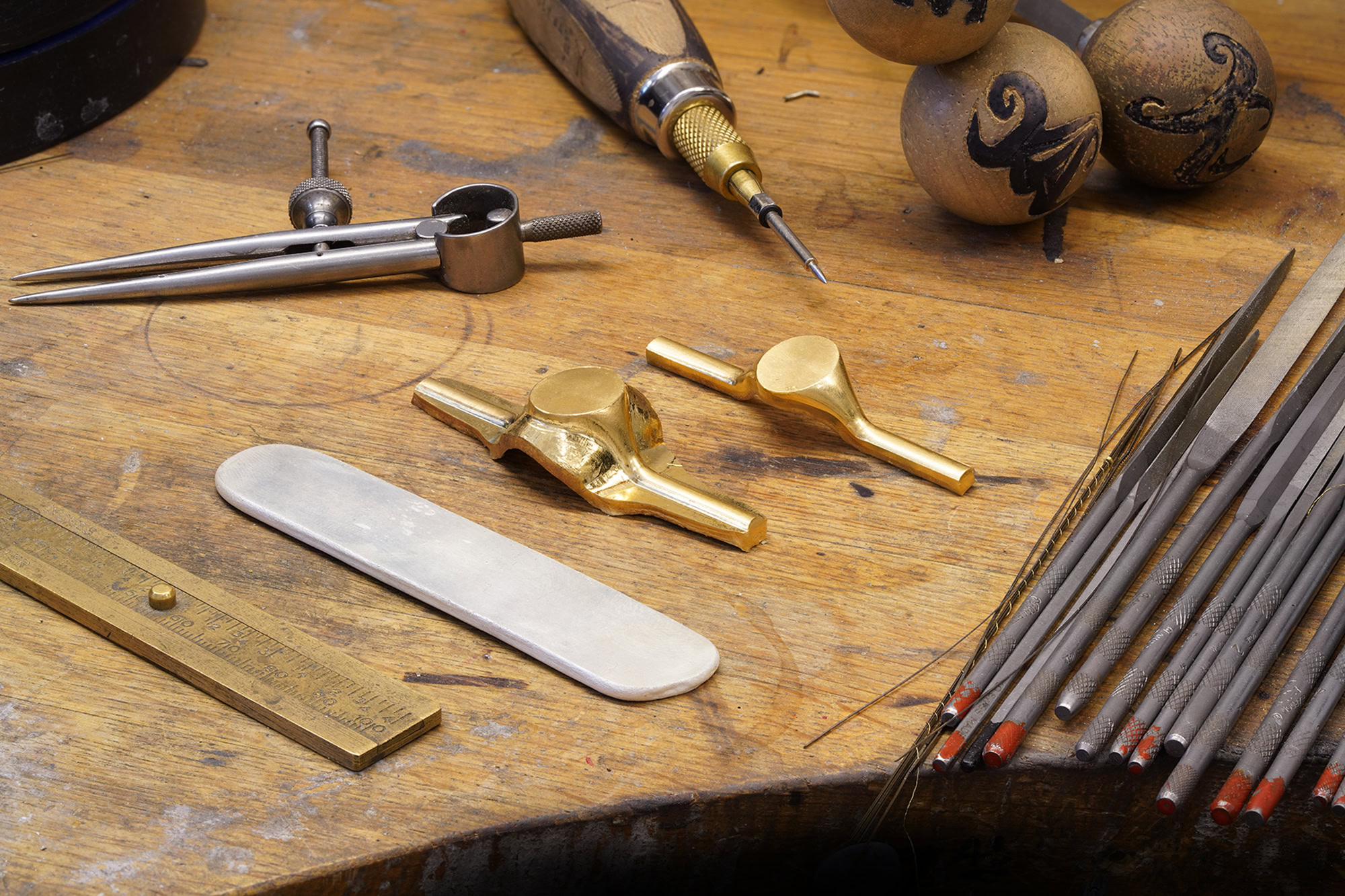
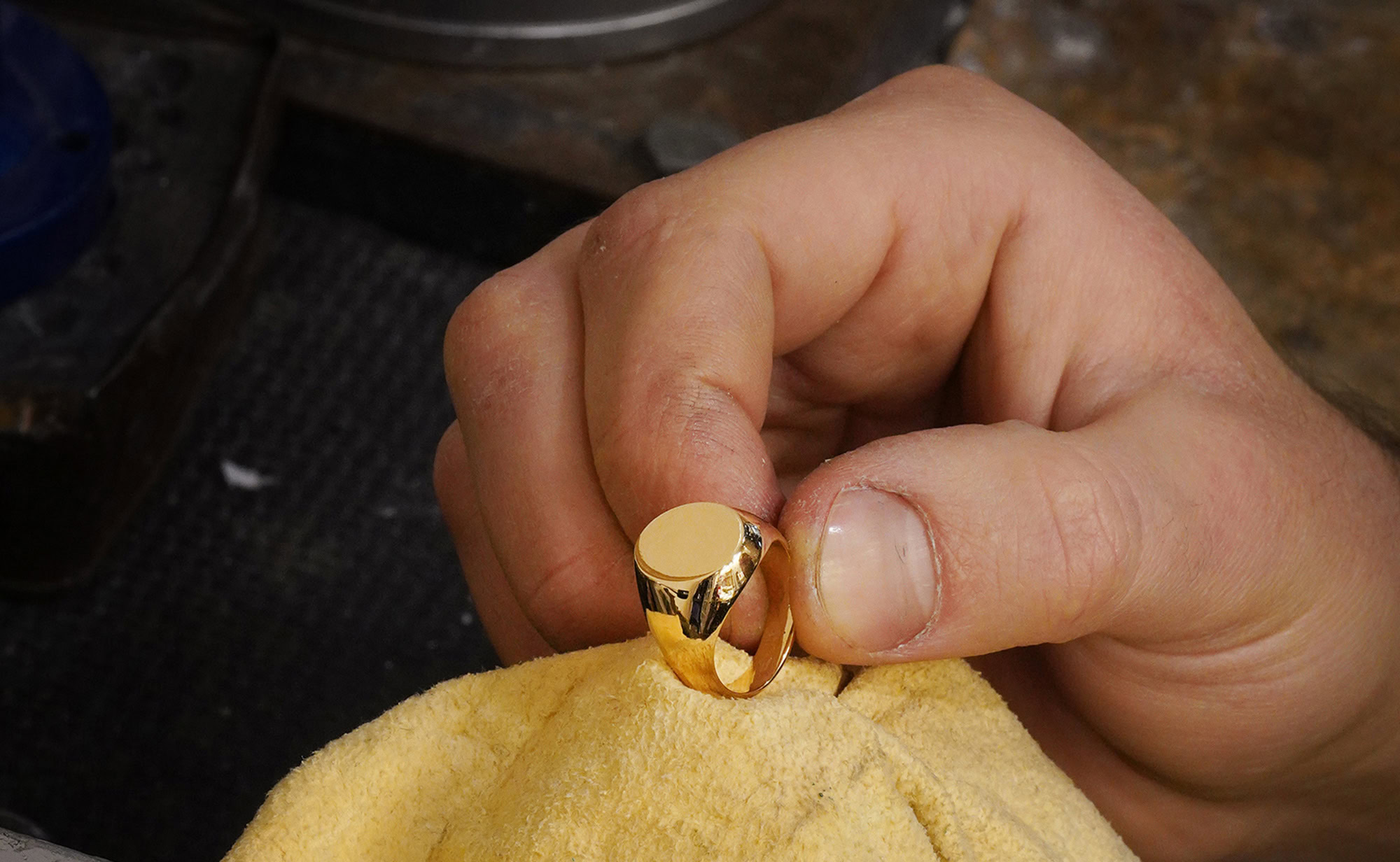
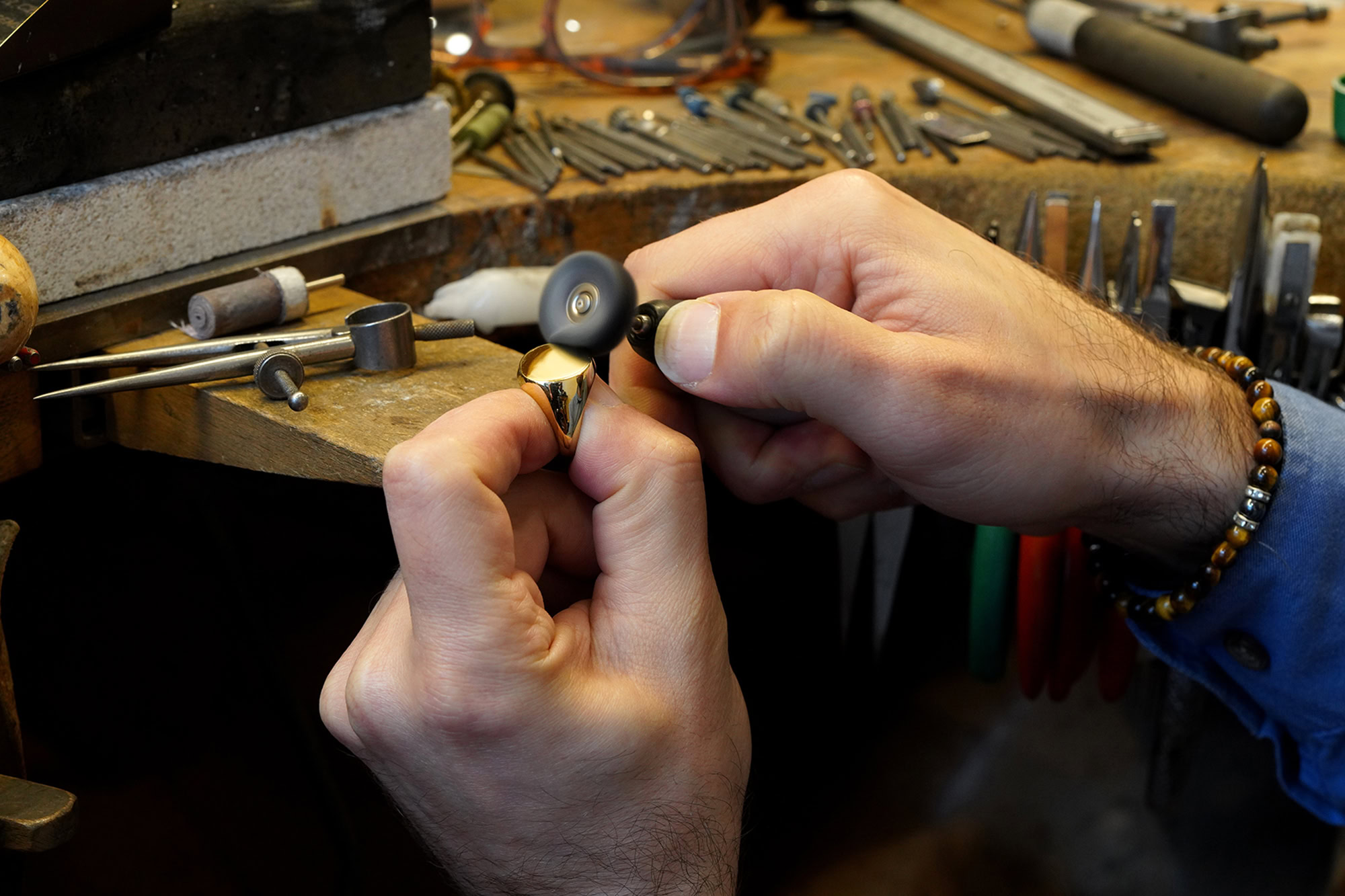
In a luxury landscape often defined by immediacy, the signet ring stands apart, carrying memory over branding and permanence over trend. Traditional craftsmanship and hand engraving remain central to that distinction, giving each piece a human touch that technology cannot replicate.
“Digital tools can refine form, but hand engraving is where meaning is truly committed to metal. The engraver’s hand brings nuance and interpretation that technology can’t replicate. Each mark carries a sense of human presence that gives a signet ring lasting personal significance,” said Constantine of Rebus.
Today’s collectors commission these rings not only to honor the past, but to articulate who they are now, shaping heirlooms in real time, embedding intention into metal, and redefining what legacy looks like when it is authored rather than inherited.