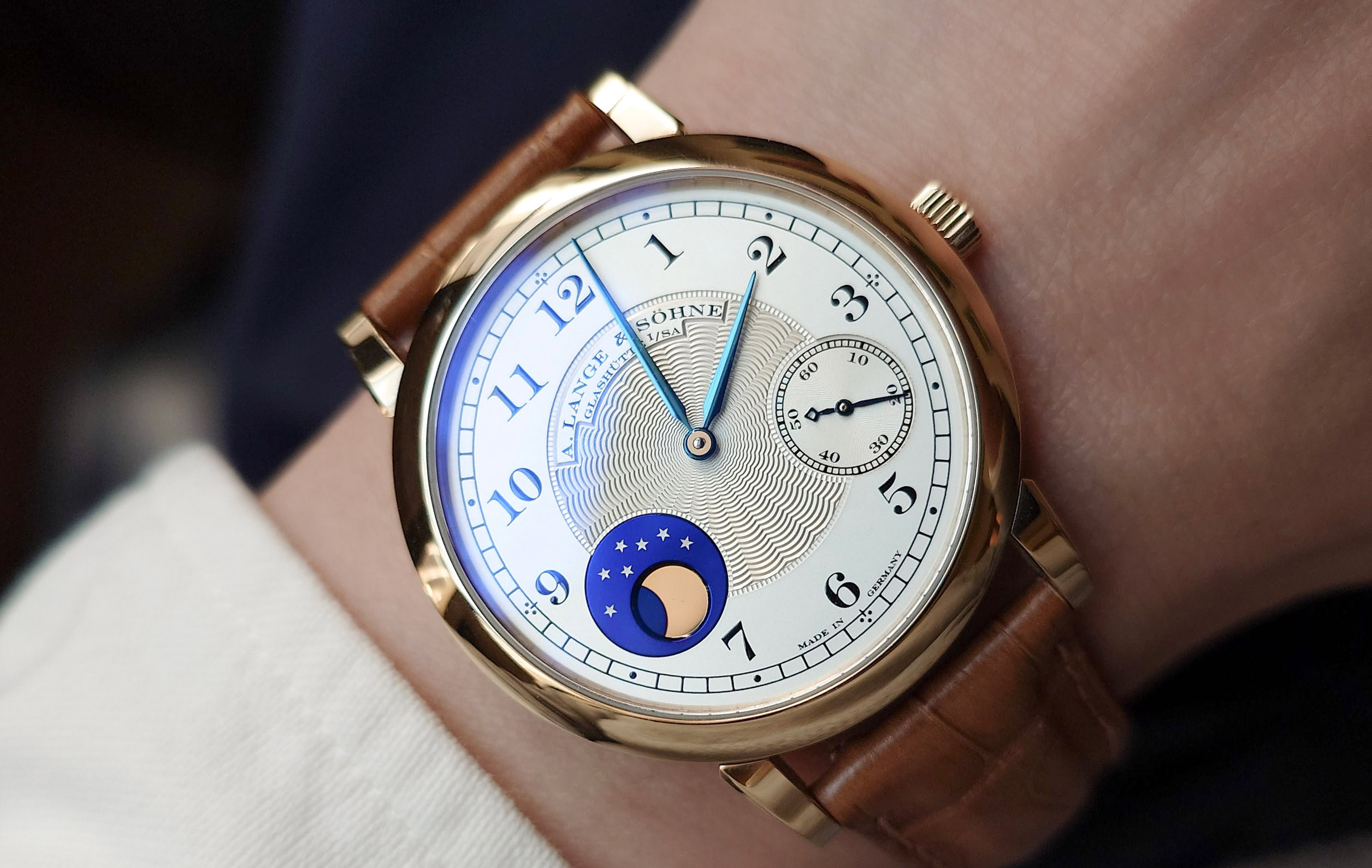
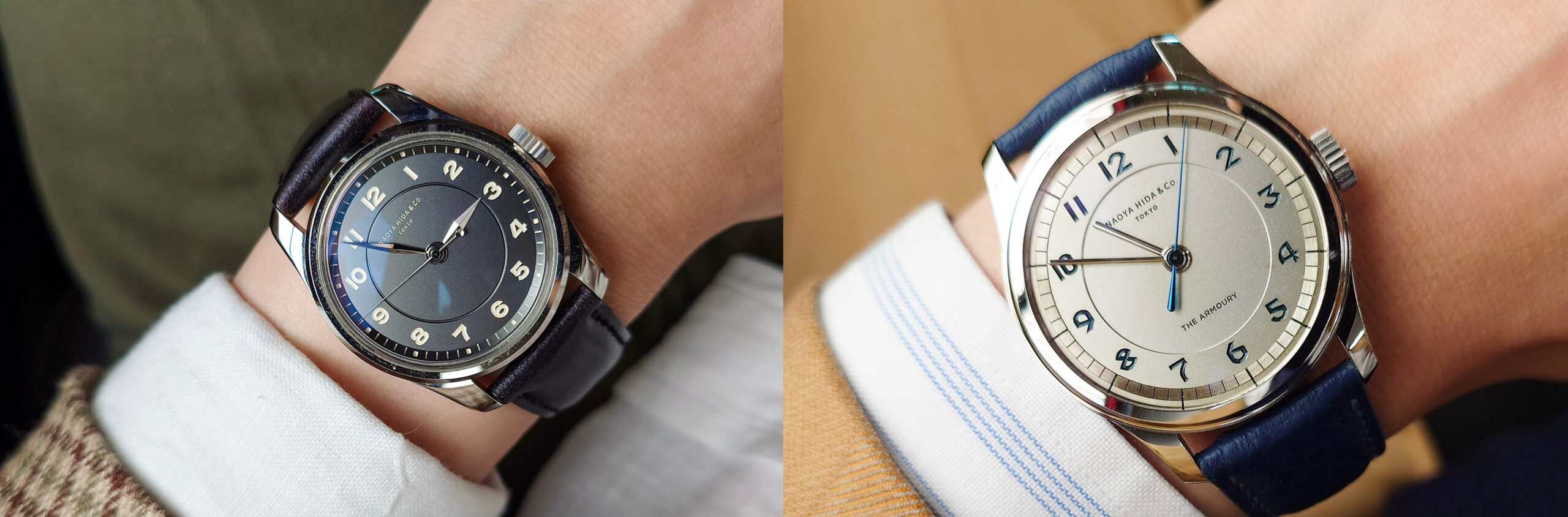
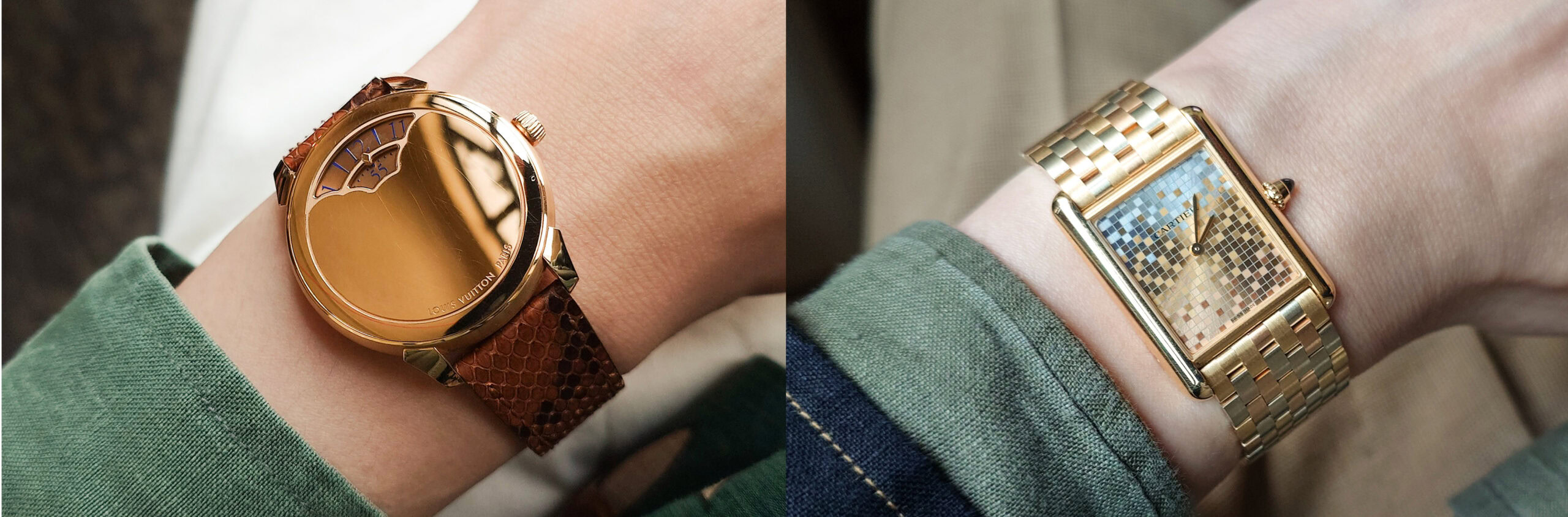
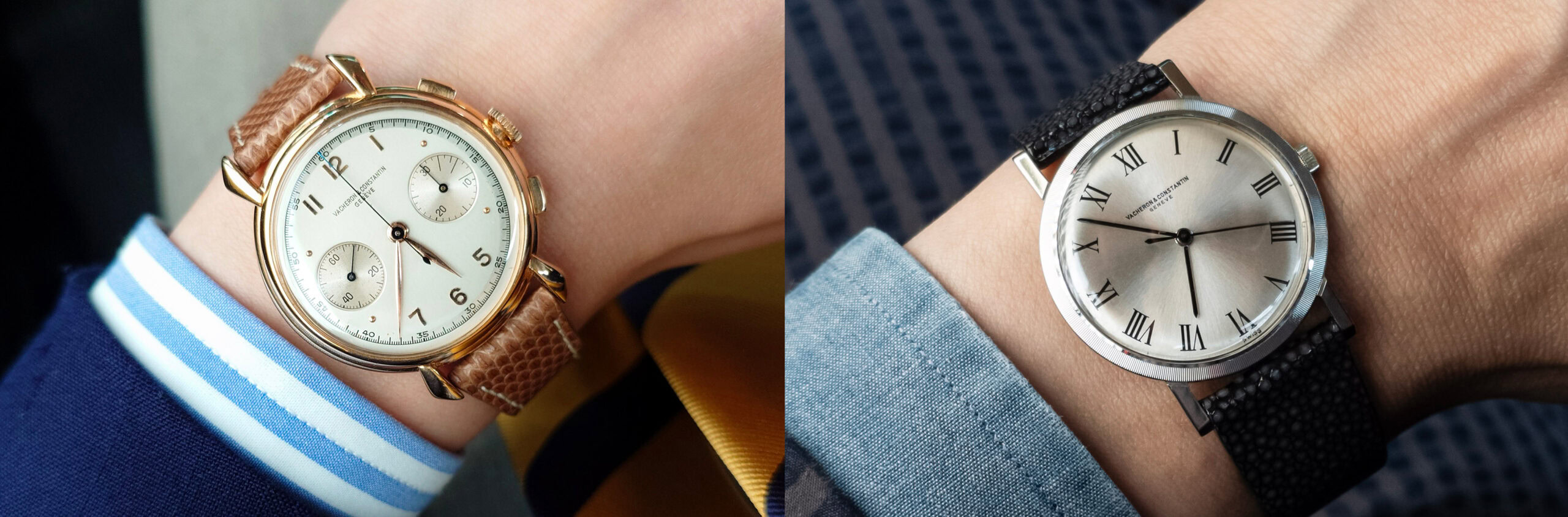
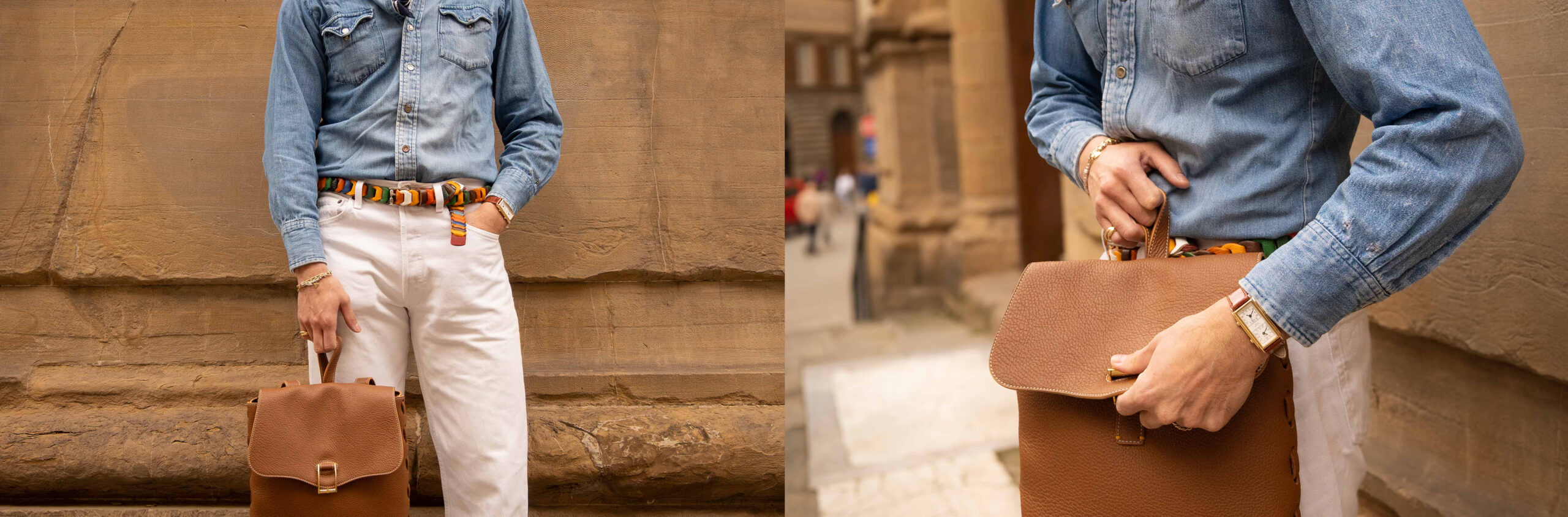
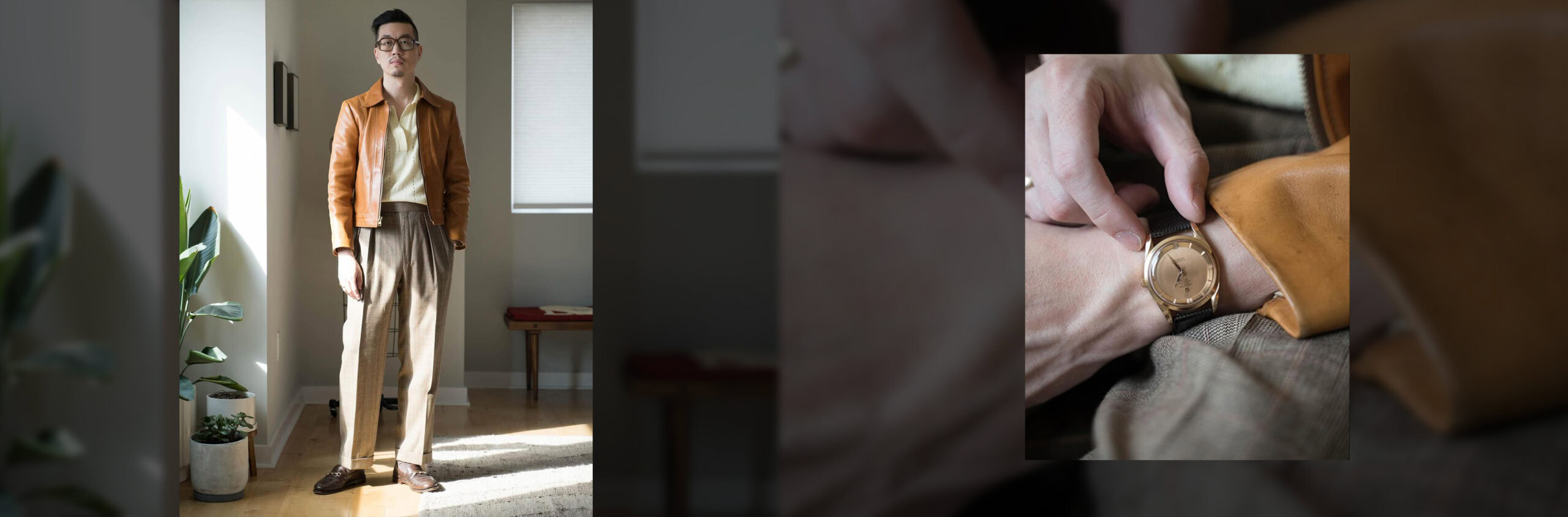
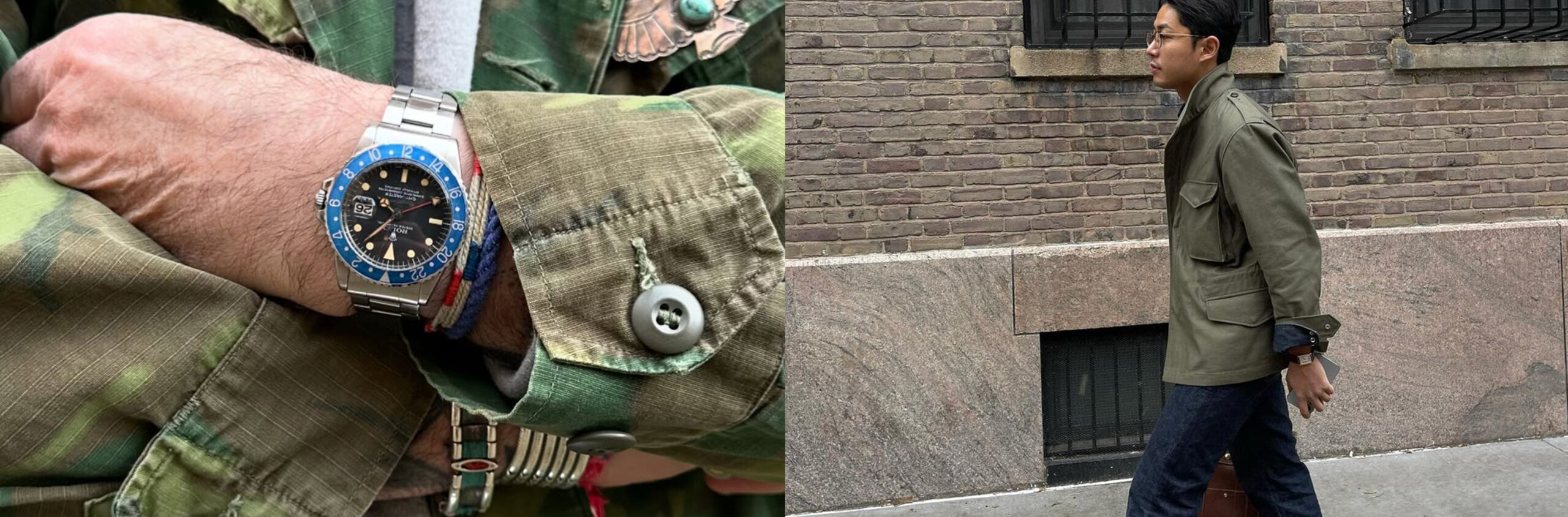
When a watch strap is dismissed as an afterthought, interchangeable and seldom reconsidered, it is often because its influence is understated, even as it quietly determines whether a watch feels intentional or unresolved. But to menswear designers, stylists, and critics, the right piece of metal, leather, or fabric can serve as a bridge between watch and wearer, jewelry and clothing, formality and ease.
“I think about a strap on a watch in the same way that I think about clothes on my body,” says Mark Cho, cofounder of The Armoury. “You’re dressing it up, trying to speak its character.” The right strap, he argues, can transition a watch from “a tiny little object on its own” into something that coheres with everything else you’re wearing.
“Watches sit somewhere between jewelry and functional clothing, which makes them incredibly personal,” says menswear writer Derek Guy. For that reason, straps allow a piece to modulate among different contexts with ease. With a proper strap collection, one watch can read as casual or formal, conservative or expressive, depending on how it’s integrated – or not – into the overall vibe.
Across tailoring ateliers in New York and Florence, streetstyle influencers, and global fashion weeks, the rules of matching straps and watches turn out to be less rigid than they appear. Sometimes coherence means harmony: matching texture, tone, context. Other times it means contrast: a sports watch softening a suit or a dress watch grounding denim. “It’s like food,” says Guy. “If it’s good, it’s good.”
Here, Cho, Guy, and other menswear stylists and mavens talk through why certain strap choices work and what these minor sartorial details communicate about a larger sense of style.